


Retail businesses face many security challenges, including shoplifting, employee theft, inventory loss, vandalism, and unauthorized access. For stores across Illinois, creating a safe and secure shopping environment is essential for protecting products, employees, and customers. A well-planned security strategy can help retailers reduce losses while improving overall store operations.
If you are looking for effective ways to strengthen Retail Store Security Illinois, combining modern security equipment, employee awareness, and smart store practices can make a significant difference.
1. Install Electronic Article Surveillance Systems
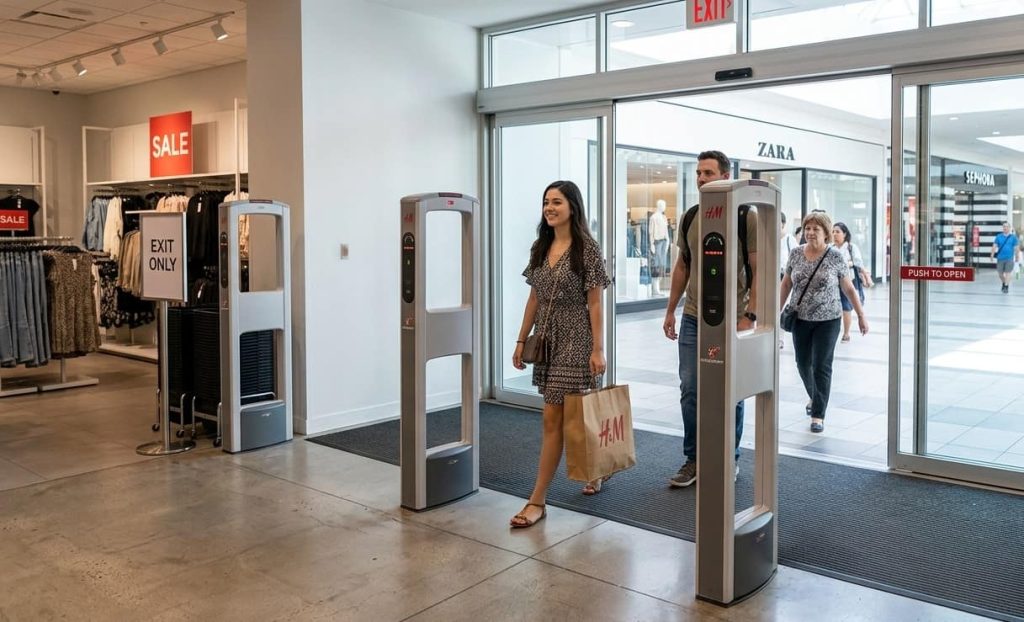
Electronic Article Surveillance (EAS) is one of the most common solutions used by retailers to discourage shoplifting. EAS systems generally include security tags or labels attached to merchandise and detection systems positioned near store exits.
When an active tag passes through the detection area without being properly deactivated or removed, the system can trigger an alarm. Visible security equipment can also act as a deterrent by showing potential shoplifters that the store has protective measures in place.
For Illinois retailers, EAS can be particularly useful for protecting high-value or frequently targeted merchandise.
2. Use Security Cameras Strategically
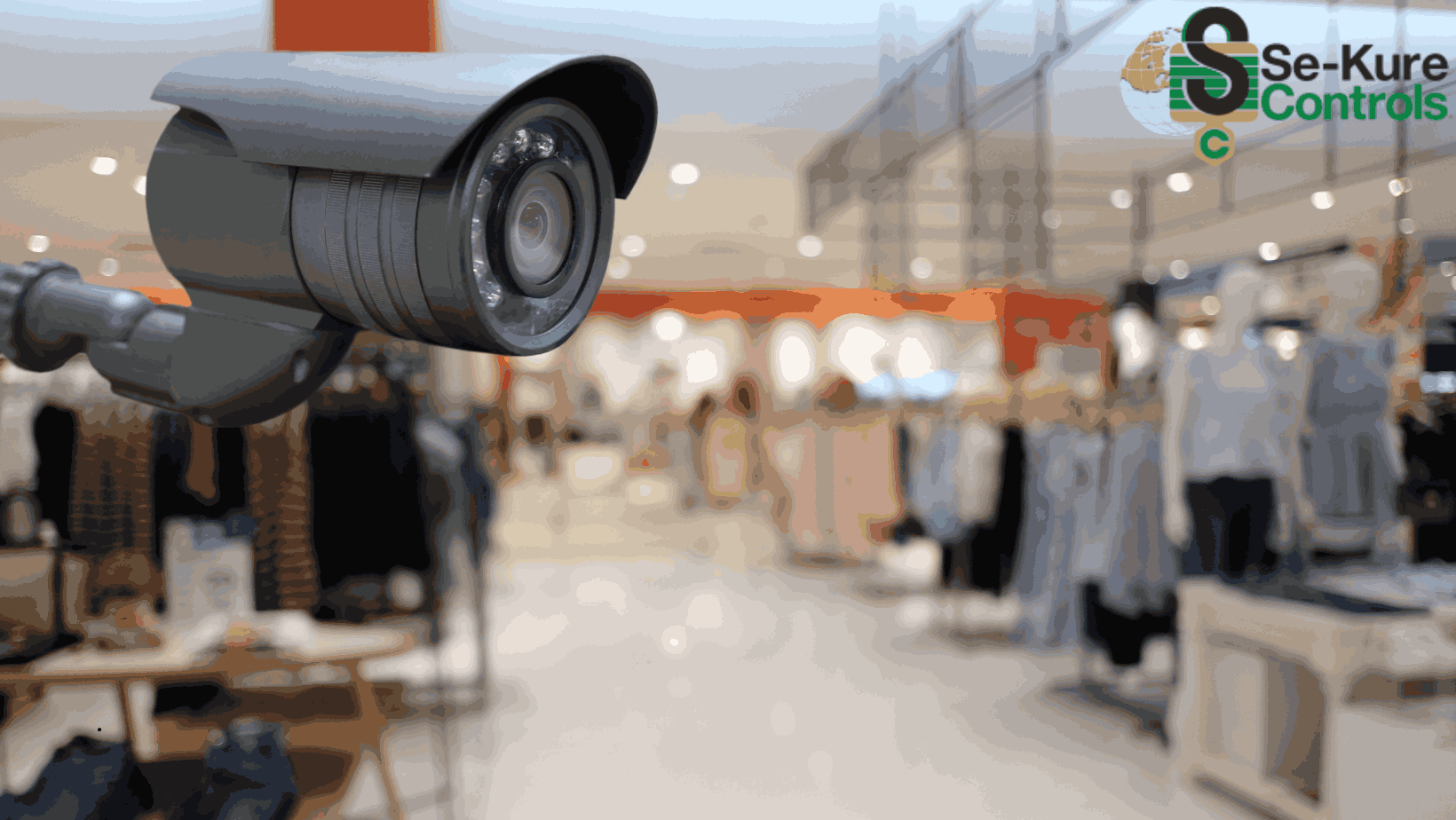
Security cameras provide retailers with an additional layer of protection. Instead of placing cameras randomly, businesses should identify areas where security risks are more likely to occur.
Important locations can include:
• Store entrances and exits
• Checkout counters
• High-value merchandise sections
• Stockrooms
• Employee-only areas
• Parking and loading areas
Modern surveillance systems can provide clear video recordings that help businesses monitor activity and review incidents when necessary. Cameras can also increase employee awareness and encourage customers to follow store policies.
3. Improve Store Visibility
Store layout can play an important role in preventing theft. Tall shelves, crowded displays, and poorly organized aisles can create areas that are difficult for employees to observe.
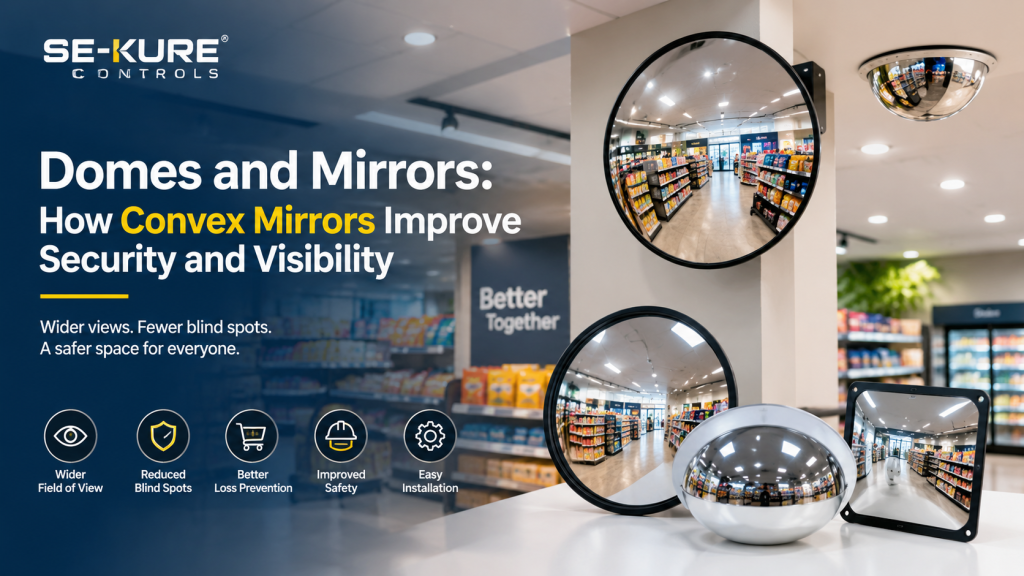
Retailers can improve visibility by keeping important areas open and arranging displays so employees can easily see customers and merchandise. Mirrors can also help eliminate blind spots in corners and between aisles.
Using convex mirrors in Illinois retail stores can provide a wider field of view and help staff monitor areas that may otherwise be difficult to observe.
4. Protect High-Value Products
Not every product requires the same level of protection. Retailers should identify merchandise that is expensive, small, easy to conceal, or frequently targeted.
Depending on the product, businesses can consider solutions such as:
• Electronic security sensors
• Recoilers
• Security cables
• Locked display cases
• Product-specific alarm systems
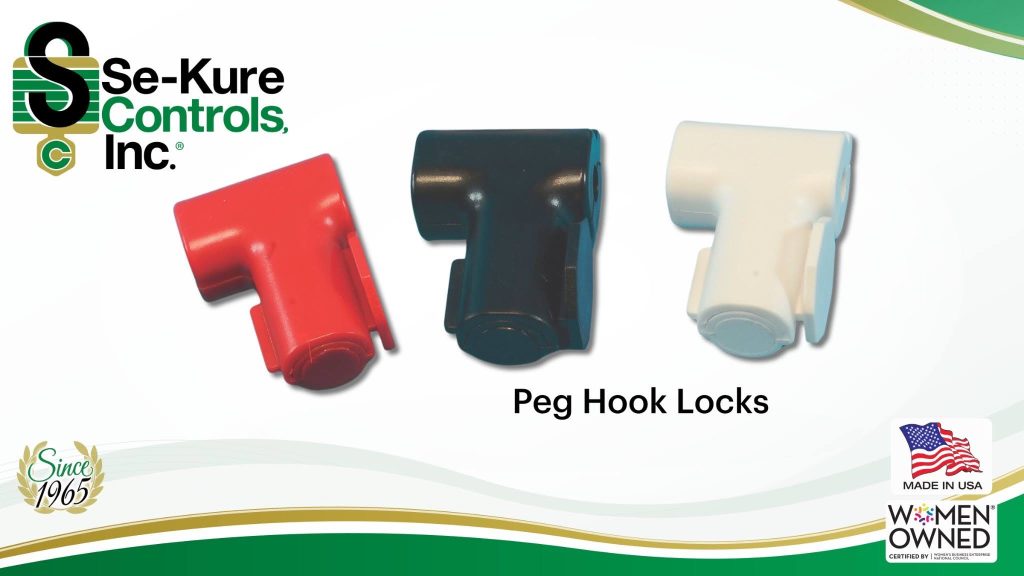
Electronic sensors and recoilers can help protect electronics, mobile accessories, premium merchandise, and other valuable products while still allowing customers to interact with products when appropriate.
5. Train Employees on Security Procedures
Technology alone cannot provide complete store protection. Employees should understand how to identify suspicious behavior and follow established security procedures.
Training can cover topics such as:
• Recognizing unusual customer behavior
• Following store loss-prevention procedures
• Responding to security alarms
• Reporting suspicious activity
• Protecting restricted areas
• Handling incidents safely
Employees should never put themselves or customers at unnecessary risk. Instead, they should follow the retailer’s established procedures and contact appropriate authorities when required.
6. Strengthen Access Control
Restricted areas such as stockrooms, offices, and inventory storage areas should not be accessible to everyone. Retailers can use locks, access cards, keypad systems, or other access-control methods to limit entry.
Keeping track of who can enter sensitive areas can reduce unauthorized access and improve accountability. Access permissions should also be reviewed regularly, particularly when employees change roles or leave the company.
7. Conduct Regular Security Audits
Security risks can change as a store’s layout, inventory, staffing, and customer traffic change. Regular security assessments can help identify weaknesses before they become significant problems.
During an audit, retailers can review:
• Camera coverage
• EAS equipment
• Blind spots
• Exit and entrance security
• Inventory storage
• Employee access
• Lighting
• Emergency procedures
A professional security assessment can help Illinois businesses determine which areas require additional protection.
8. Create a Complete Loss-Prevention Strategy
Effective retail security should not depend on one device or technology. A stronger approach combines several security measures into a coordinated strategy.
For example, a store might use surveillance cameras, EAS systems, convex mirrors, security cables, employee training, and access control together. This layered approach can make it more difficult for unauthorized activity to go unnoticed.
Why Retail Store Security Illinois Matters
Retail security is about more than preventing product loss. A secure store can provide employees with a safer working environment and customers with greater confidence while shopping.
By investing in appropriate security systems and regularly reviewing store procedures, businesses can better protect their inventory, improve awareness, and respond more effectively to security incidents.
Strengthen Your Retail Store Security Today
Every Illinois retail business has different security requirements. The right combination of surveillance, electronic security systems, product protection, and employee procedures depends on the store’s size, layout, inventory, and specific risks.
If your business needs help improving Retail Store Security Illinois, evaluate your current security measures and identify areas that need additional protection. A professional security solution can help you create a more organized and effective loss-prevention strategy.
Contact us today to learn more about retail security solutions and discover practical ways to protect your store, inventory, employees, and customers.
Frequently Asked Questions
1. What is Retail Store Security Illinois?
Retail Store Security Illinois refers to the security measures and systems Illinois retailers use to protect merchandise, employees, customers, and facilities from theft, unauthorized access, and other security risks.
2. What security system is commonly used to prevent shoplifting?
Electronic Article Surveillance (EAS) systems are commonly used by retailers to help deter and detect unauthorized removal of merchandise. Security cameras, sensors, cables, and other solutions can provide additional protection.
3. Are security cameras useful for retail stores?
Yes. Properly positioned security cameras can help retailers monitor important areas, record activity, investigate incidents, and improve overall security awareness.
4. How can convex mirrors help retail stores?
Convex mirrors provide a wider viewing angle than flat mirrors. They can help employees monitor corners, aisles, and other areas where visibility may be limited.
5. Should employees receive retail security training?
Yes. Employees should understand store security procedures, how to report suspicious activity, how to respond to alarms, and how to handle security incidents safely according to company policies