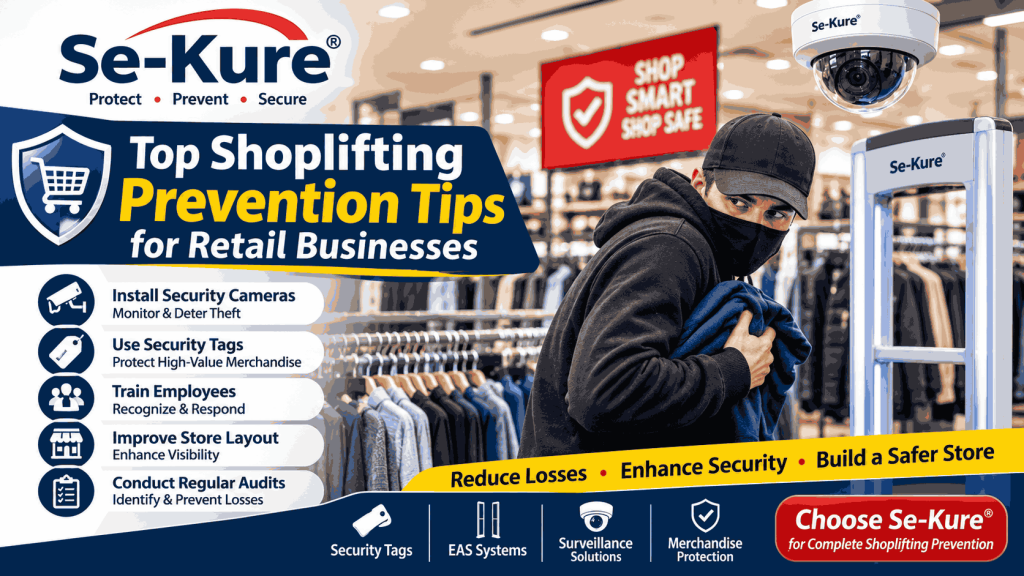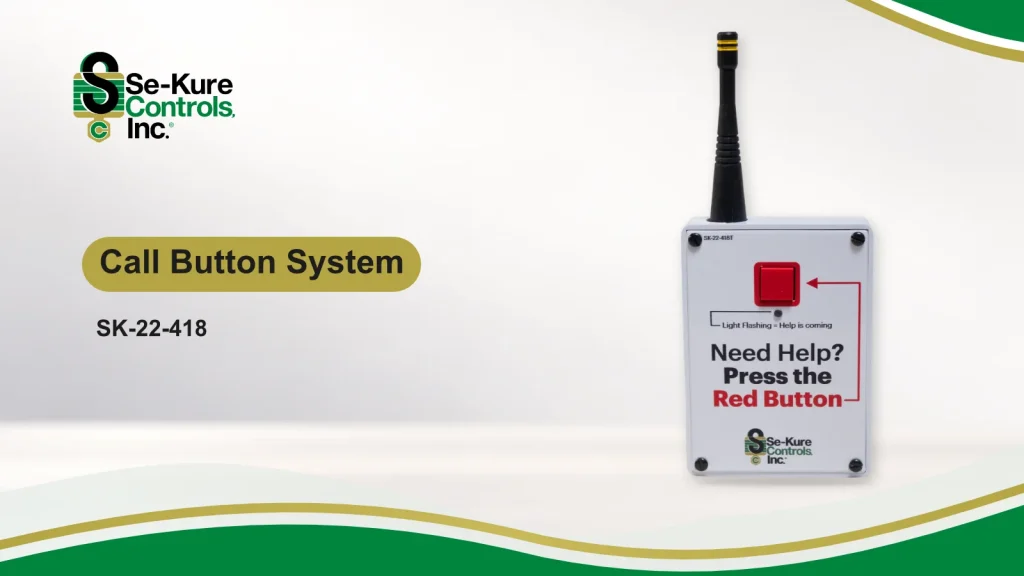


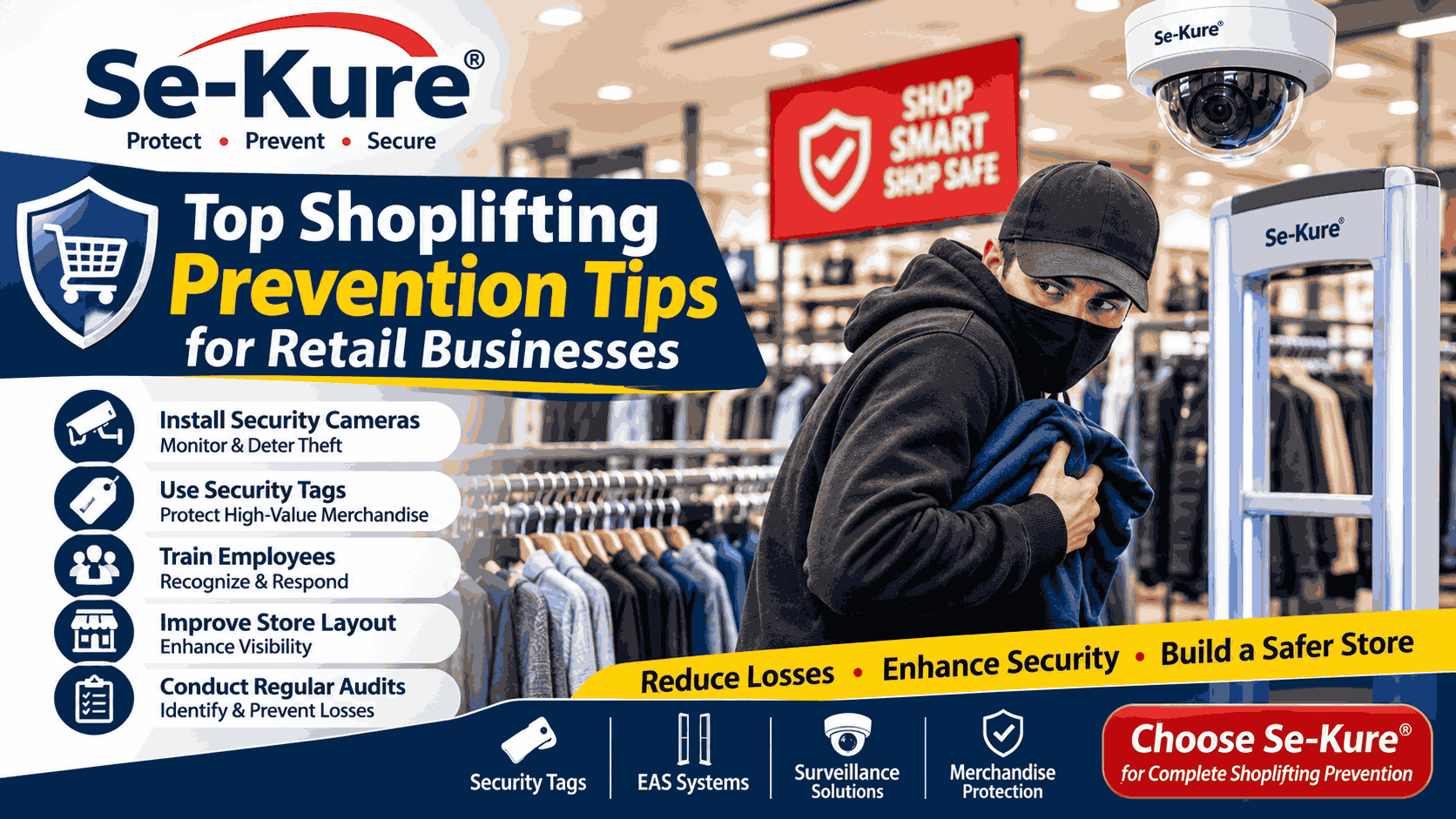
Shoplifting is a common challenge for retail businesses of all sizes. From small boutiques to large department stores, retailers face the risk of merchandise theft, inventory shrinkage, and financial losses. Even minor incidents can affect profitability, increase operating expenses, and create concerns about store safety.
Implementing effective Shoplifting Prevention strategies helps retailers protect valuable products, improve inventory management, and create a more secure shopping environment. A combination of employee training, smart store layouts, security technology, and customer service can significantly reduce opportunities for theft.
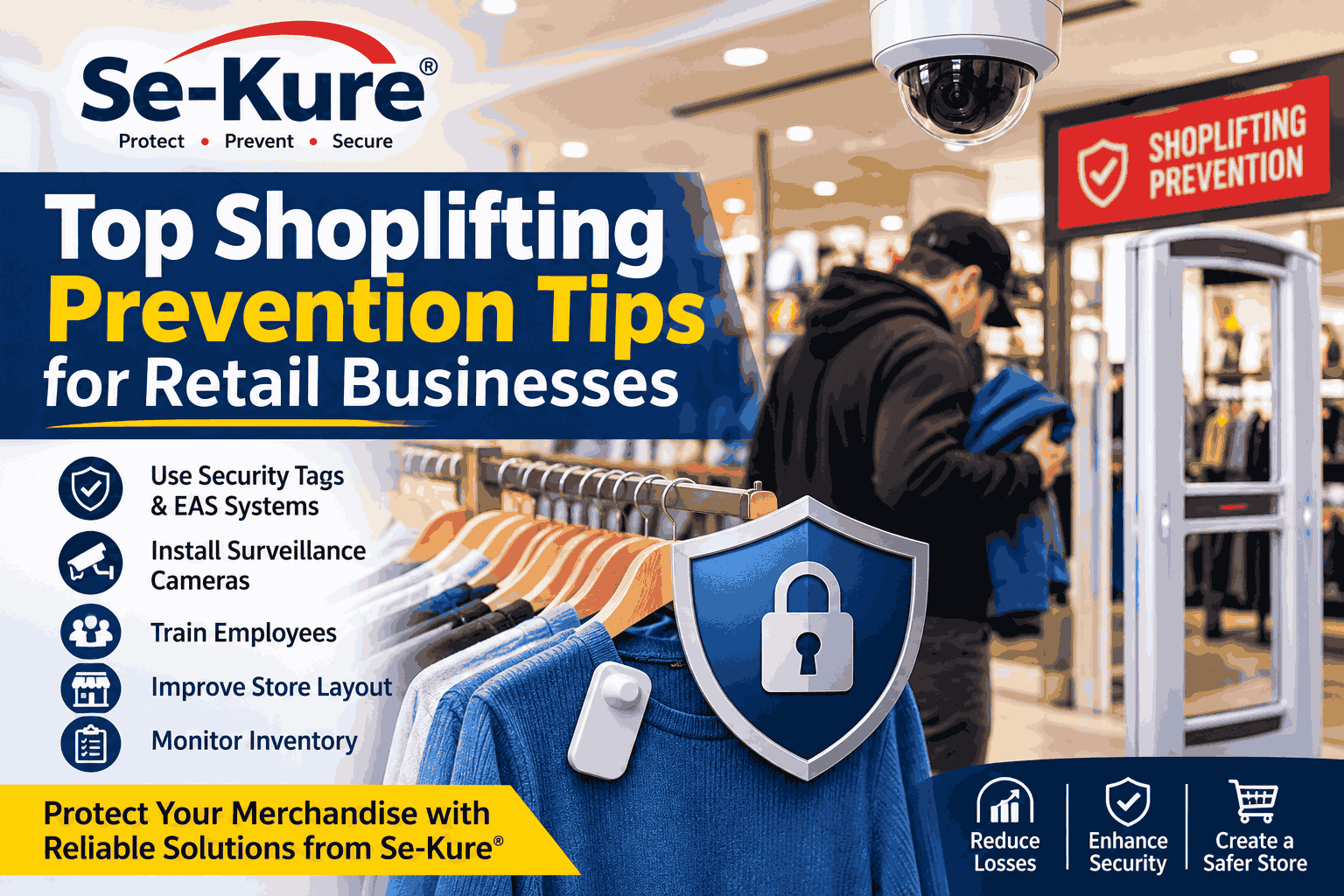
Se-Kure® provides retail security solutions designed to help businesses protect merchandise and strengthen their overall loss prevention efforts. By following these practical tips, retailers can develop a more reliable approach to shoplifting prevention.
1. Improve Store Layout and Merchandise Visibility
A well-organized store makes it easier for employees to monitor merchandise and identify unusual activity. Poor visibility, crowded displays, and hidden corners can create opportunities for shoplifting.
Retailers should arrange shelves and product displays in a way that allows staff to maintain clear sightlines throughout the store. Keep valuable merchandise in visible areas and avoid placing tall displays near entrances, exits, or important aisles.
Consider the following store layout improvements:
Keep aisles clean, organized, and easy to monitor.
Position high-value products near staffed areas.
Use mirrors to improve visibility in difficult-to-monitor corners.
Avoid overcrowding shelves and display racks.
Maintain clear views of entrances and exits.
These simple changes can support effective Shoplifting Prevention without requiring major renovations.
2. Install Electronic Article Surveillance Systems
Electronic Article Surveillance (EAS) systems are widely used by retailers to help protect merchandise from unauthorized removal. These systems typically include security tags or labels attached to products and detection antennas installed near store exits.
When an active security tag passes through the detection area, the system can trigger an alarm, alerting employees to investigate.
Se-Kure® offers retail security products that help businesses create a more comprehensive merchandise protection system. EAS solutions can be particularly useful for clothing stores, electronics retailers, department stores, and other businesses selling frequently targeted products.
Retailers should select a system based on store size, merchandise type, traffic levels, and security requirements.
3. Use Security Tags and Protective Devices
Security tags provide an additional layer of protection for merchandise that is easy to carry or has a higher retail value. Depending on the product, retailers may use hard tags, specialized product protection devices, or security labels.
For apparel stores, clothing security tags can help protect garments while allowing customers to examine and try on products.
Other merchandise, such as electronics, accessories, cosmetics, and packaged goods, may require different protection methods.
Se-Kure® offers merchandise protection solutions designed for various retail environments. Selecting the right device for each product category can help retailers improve Shoplifting Prevention while maintaining a convenient shopping experience.
4. Train Employees to Recognize Suspicious Behavior
Workers are crucial to preventing store losses. Proper training helps staff understand how to recognize unusual activity, respond professionally, and follow established security procedures.
Training should focus on observable behavior rather than assumptions about a person’s appearance, age, clothing, or background.
Employees should learn how to:
Provide attentive customer service.
Recognize unusual merchandise handling.
Report suspicious activity to supervisors.
Follow store security and incident reporting procedures.
Avoid physical confrontation with suspected shoplifters.
A well-trained team can improve awareness and help prevent theft while maintaining a welcoming atmosphere.
5. Strengthen Customer Service
Friendly and attentive customer service is one of the simplest Shoplifting Prevention techniques available to retailers.
When employees greet customers, offer assistance, and remain available throughout the shopping experience, customers receive better service and staff maintain greater awareness of store activity.
Retailers can encourage employees to acknowledge customers when they enter the store, offer help locating products, and provide assistance in fitting rooms or high-value merchandise sections.
The goal is not to make customers feel watched or uncomfortable. Instead, attentive service creates a positive shopping experience while reducing opportunities for unnoticed merchandise removal.
6. Protect High-Value and Frequently Targeted Products
Some merchandise requires additional protection because of its value, portability, or demand. Retailers should review sales and inventory records to identify products that experience frequent losses.
Once these products are identified, businesses can introduce targeted security measures.
For example, retailers may use locked displays, protective security devices, monitored shelving, or dedicated employee assistance for selected merchandise.
Avoid placing all expensive products in inaccessible areas. A balanced approach allows customers to view and purchase products conveniently while maintaining appropriate security.
Targeted protection can make Shoplifting Prevention more efficient by focusing resources on merchandise that presents the greatest risk.
7. Install Security Cameras and Monitor Store Activity
Security cameras can help retailers monitor important areas, discourage theft, and review incidents when necessary.
Cameras should cover entrances, exits, checkout counters, high-value merchandise sections, and other areas where visibility is limited.
Retailers should ensure that cameras are positioned correctly, maintained regularly, and supported by clear monitoring procedures.
The most effective use of video surveillance is in conjunction with other security measures. Cameras alone may not prevent every theft, but they can support investigations, improve employee awareness, and strengthen overall store security.
Businesses should also follow applicable privacy laws and inform customers about surveillance where required.
8. Conduct Regular Inventory Audits
Inventory management is an important part of Shoplifting Prevention. Without accurate stock records, retailers may struggle to identify missing merchandise or determine where losses occur.
Regular inventory audits help businesses compare recorded stock levels with actual merchandise available in the store.
Retailers should investigate unexplained discrepancies, review product movement, and monitor recurring losses across different departments.
Useful inventory practices include:
Performing cycle counts for high-risk products.
Reviewing inventory reports regularly.
Tracking damaged and returned merchandise.
Investigating unusual stock discrepancies.
Maintaining accurate receiving and checkout records.
Consistent inventory monitoring helps retailers identify potential problems before losses become significant.
9. Create a Clear Shoplifting Response Policy
Every retail business should have a written policy explaining how employees should respond to suspected shoplifting.
The policy should establish reporting procedures, employee responsibilities, communication methods, and guidelines for contacting store management or law enforcement.
Employees should never be encouraged to chase, physically restrain, or confront suspected shoplifters unless specifically authorized and trained under applicable law and company policy.
A clear response plan protects employees, customers, and the business while ensuring that incidents are handled consistently and professionally.
10. Combine Security Technology with a Complete Prevention Strategy
The most effective Shoplifting Prevention approach combines several security measures rather than depending on a single device.
Retailers can improve protection by integrating EAS systems, security tags, surveillance cameras, employee training, organized displays, and inventory monitoring.
Se-Kure® offers retail security products that can support businesses in developing merchandise protection strategies suited to their individual needs.
Retailers should regularly evaluate their security systems, review loss prevention results, and update procedures as store operations change.
Frequently Asked Questions
1. What is the most effective Shoplifting Prevention method for retail stores?
A combination of security technology, attentive customer service, employee training, organized store layouts, and inventory monitoring is generally more effective than relying on a single security measure.
2. How do electronic article surveillance systems help prevent shoplifting?
EAS systems use security tags or labels and detection antennas near store exits. When an active protected item passes through the detection area, the system can trigger an alarm to alert employees.
3. Which retail businesses benefit from security tags?
Clothing stores, electronics retailers, department stores, cosmetics shops, and other businesses selling portable or valuable merchandise can benefit from appropriate security tags and protective devices.
4. Can Se-Kure® help retailers improve merchandise protection?
Se-Kure® provides retail security solutions designed to help businesses protect merchandise and support loss prevention efforts. Retailers can explore suitable products based on their store layout, merchandise, and security requirements.
Conclusion
Shoplifting can create financial challenges for retail businesses, but a well-planned security strategy can help reduce risks and protect valuable merchandise. Improving store visibility, using security tags, installing EAS systems, training employees, and conducting regular inventory audits are practical steps every retailer can consider.
Effective Shoplifting Prevention requires ongoing attention and the right combination of technology and store management practices. With dependable retail security solutions from Se-Kure®, businesses can strengthen merchandise protection, improve loss prevention, and create a safer, more comfortable shopping environment.
Call to Action
Protect your merchandise with reliable retail security solutions from Se-Kure®. Explore Se-Kure®’s range of security tags, EAS systems, and merchandise protection products to find solutions that meet your retail store’s needs. Visit Se-Kure® today to learn more about improving your store’s security and reducing retail theft.