


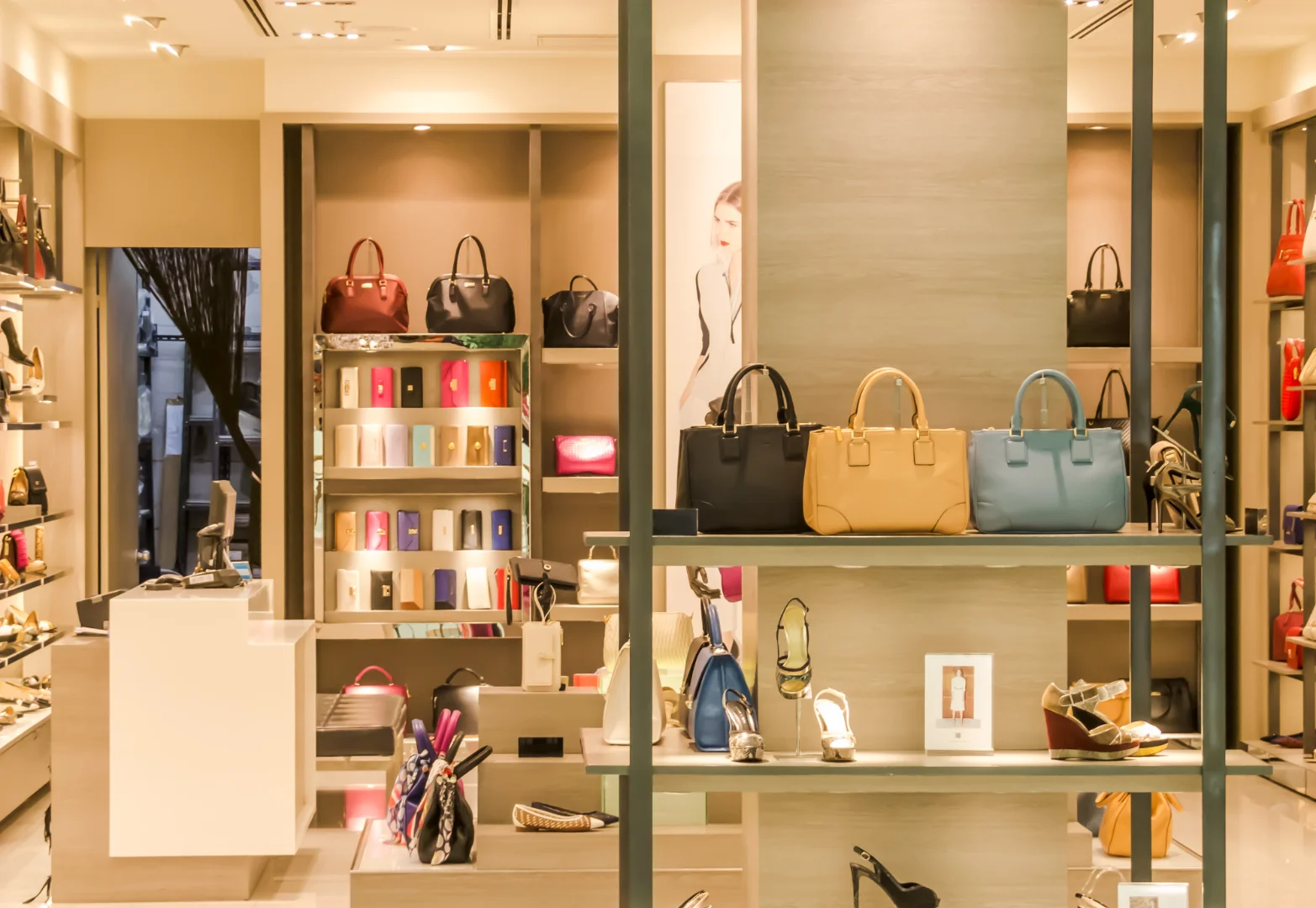
Choosing the right retail display security does not start with a product catalog. It starts with understanding what the store is actually trying to protect and how that merchandise is being displayed.
When Frank Kudlacz from Se-Kure Controls begins looking at an application, some of his first questions are simple: What are you trying to protect? Where is it in the store? How many items need protection? Does the retailer want a mechanical solution or an alarm?
Those questions help narrow down the options before a product is ever selected.
The same security device will not necessarily make sense for merchandise on a clothing rack, pegboard, gridwall, shelf, or interactive electronics display. Effective retail theft prevention solutions begin with the application rather than trying to make the application fit the product.
Start With the Merchandise and the Fixture
The merchandise matters, but so does the way customers encounter it. A product hanging from a wire peg creates a different security challenge than a jacket on a clothing rack. A smartphone that customers need to pick up and explore requires another approach entirely.
Frank typically starts by identifying four basic details:
- What needs to be protected?
- Where and how is it displayed?
- How many items require protection?
- Does the retailer prefer mechanical or alarm-based security?
Existing systems matter as well. Frank also looks at whether the store already uses EAS and asks how much the retailer is prepared to spend. Taken together, those details create a much clearer starting point for retail display security.
Pegboard and Gridwall Require Fixture-Level Security
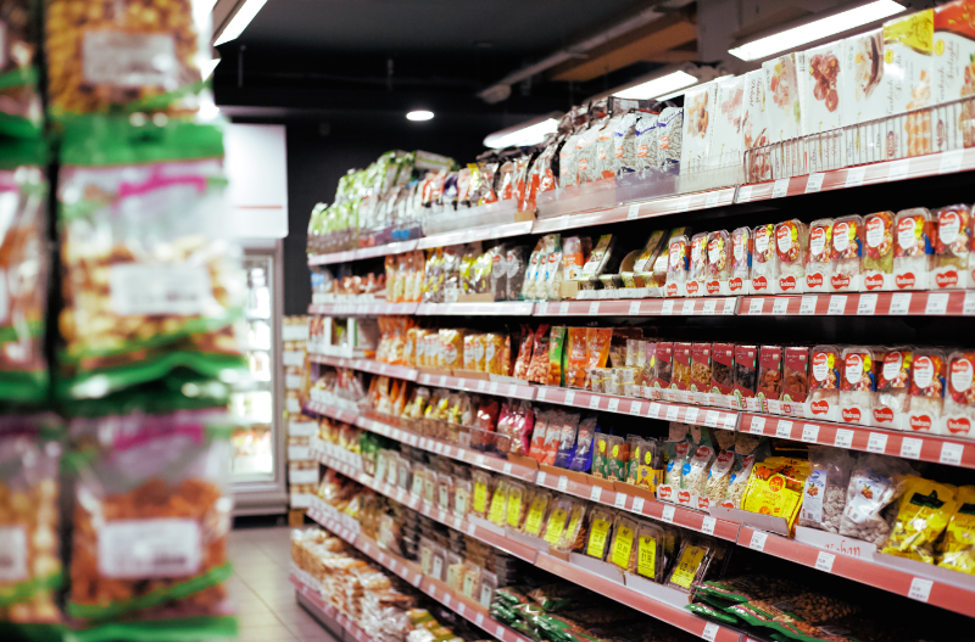
Smaller merchandise displayed on peg hooks or gridwall can remain highly visible and easy to merchandise, but the security solution has to work with that fixture.
For these applications, Frank commonly recommends Peg Hook Locks or EAS tags such as blister pack tags. Instead of changing the entire merchandising area, security can be added directly to the way the product is displayed.
This is also why the details of the fixture matter. Stores should understand what type of peg or display they are working with before selecting the security around it. With anti sweep retail security, the goal is to add control to the fixture while allowing the merchandise to remain part of the existing display.
Clothing Racks Create a Different Set of Questions
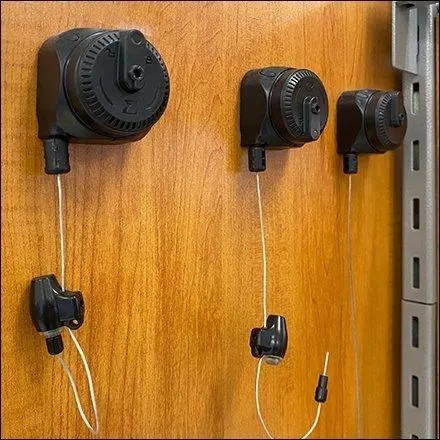
Higher-value apparel brings the conversation back to quantity, cable configuration, access, and placement. Frank recommends Cable Coat Lock Boxes or KKA alarms for applications such as football jackets, furs, or leather jackets.
For cable-based protection, he typically recommends a 302 cable in either a 6-foot or 8-foot length depending on the size of the clothing. His general approach is one cable per slot and no more than two cables in a slot.
Placement matters too.
A Cable Coat Lock Box should be positioned where store personnel can reach it easily. Frank recommends mounting it around the middle of the rack rather than putting it somewhere that creates unnecessary difficulty for associates.
Too many cables in a box and hard-to-reach placement are two setup problems he sees retailers run into. The same principle applies across different apparel security solutions. The security has to work with the clothing display and with the employees who need to use it.
Interactive Electronics Need Their Own Approach
Phones, tablets, watches, and other electronics add another consideration: customers often need to interact directly with the merchandise.
Frank’s recommendations for these applications can include T6 or T12 alarms, 2-on-1 or 4-on-1 alarms, the SK-665 Lock-Down Security, Vantage stands, and watch stands. The right choice depends on how the merchandise is being presented and how the customer needs to interact with it.
A Vantage II display system, for example, approaches electronics security differently from the way a retailer would protect merchandise hanging from a peg or clothing rack. Again, the product category alone does not determine the answer. The display itself is part of the security decision.
What Should Retailers Consider Before Choosing Retail Display Security?
The first question should not be, “Which security product should we buy?”
A better starting point is understanding what the merchandise is, where it sits, how many products are involved, whether an existing EAS system is already in place, and how the display needs to function. Budget and the choice between mechanical or alarm-based security can then help narrow the options further.
Frank’s approach reinforces a simple point: retail display security works best when it is selected around the actual environment in which it will be used. There may still be some tweaking along the way, but starting with the fixture gives the retailer a much clearer path toward the right solution.
Stay Connected
Choosing the right retail display security starts with understanding the merchandise, the fixture, and how customers and employees need to interact with the display. Matching protection to the application can make the security decision much more practical.
Discover more insights on retail theft prevention, security hardware innovation, and display protection strategies on the Se-Kure Controls blog:
https://se-kure.com/blog/
Follow Se-Kure Controls
Follow Se-Kure Controls for industry updates, product innovations, and expert perspectives: