

Tag: domes and mirrors

  • How to Improve Lockdown Safety in Schools and Commercial Buildings
    How to Improve Lockdown Safety in Schools and Commercial Buildings

    Lockdown safety refers to the emergency procedures put in place to protect people when there’s an immediate threat, such as an intruder, active shooter, or dangerous situation inside or near a building. In schools and commercial buildings, lockdowns are used to keep students, employees, and visitors safe by restricting movement and securing rooms quickly. These situations can happen suddenly, so being prepared is critical. A strong lockdown plan helps reduce confusion, prevent injuries, and save lives. Whether it’s a school classroom or an office building, having clear rules and systems in place ensures a fast and safe response during any emergency.

    Why Lockdown Safety Matters

    Lockdown situations can happen without warning. It’s important that staff, students, and employees know what to do quickly and calmly. A good plan reduces panic and increases safety.

    Steps to Improve Lockdown Safety

    1. Create a Clear Lockdown Plan

    Every building should have a written lockdown plan. This plan should include:

    • What triggers a lockdown

    • Who announces it

    • What everyone should do

    • Emergency contact information

    2. Train Staff and Occupants

    People need to know what to do in a lockdown. Regular training helps everyone stay calm and act fast.

    • Hold lockdown drills at least twice a year

    • Train teachers, managers, and security staff on their roles

    • Use simple language in instructions

    3. Use Lockdown Technology

    Modern tools can make lockdowns more secure and faster.

    • Automated lockdown systems

    • One-touch emergency buttons

    • Smart door locks and alarms

    • Intercom and mass notification systems

    4. Secure All Entry Points

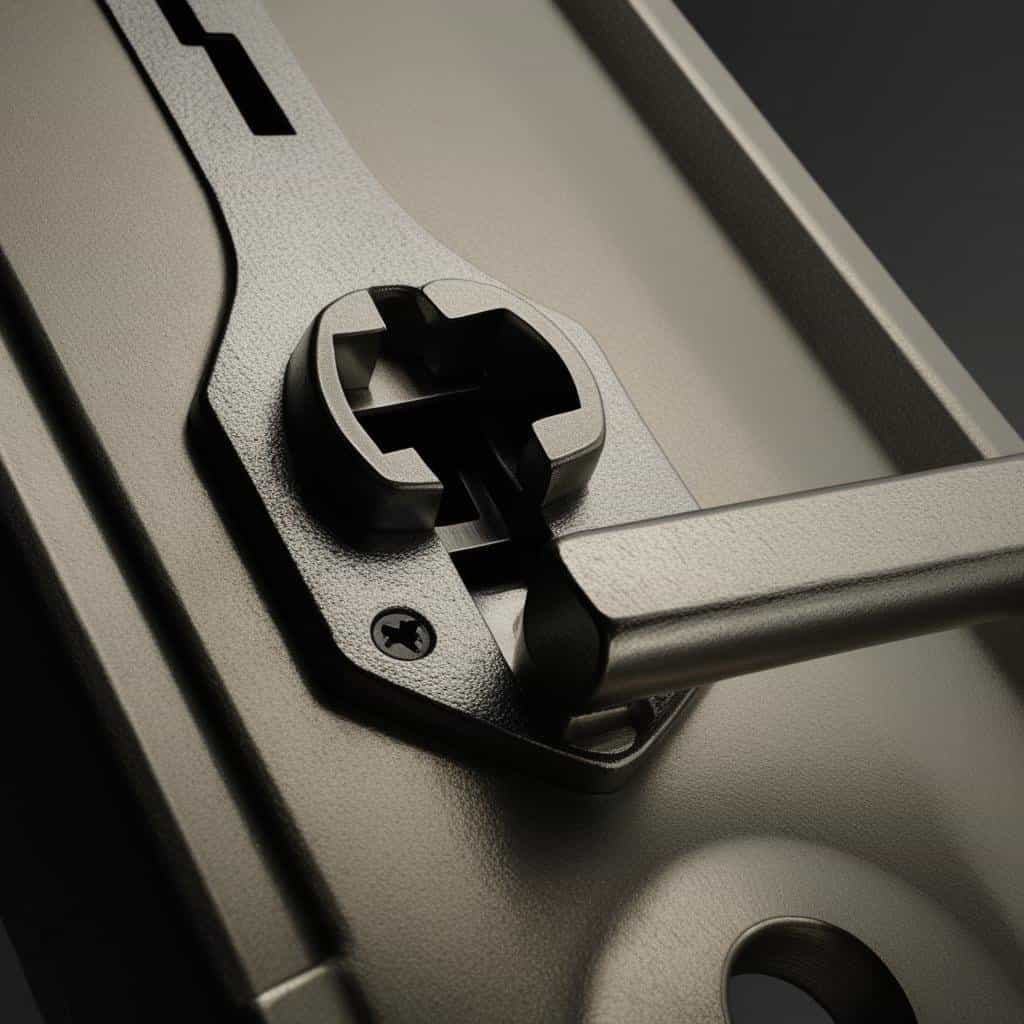
    Doors and windows must be strong and lockable to keep intruders out.

    • Use high-quality locks on all doors

    • Keep unused doors locked

    • Use door reinforcement tools (door jammers, bars, etc.)

    5. Control Visitor Access

    Know who is entering the building at all times.

    • Use visitor ID badges

    • Install security cameras at entrances

    • Require sign-in at reception desks

    6. Create Safe Rooms or Zones

    Designate certain rooms or areas as “safe zones” during a lockdown.

    • Choose rooms with strong doors and no windows

    • Keep emergency supplies inside (first aid, water, flashlight)

    • Have communication tools available

    Extra Tips for Better Safety

    • Review and update your safety plan every year

    • Work with local police and emergency services

    • Get feedback after each drill and improve the plan

    • Teach students and employees to stay quiet and hidden during a lockdown

    Final Thoughts

    Improving lockdown safety in schools and commercial buildings takes planning and teamwork. With the right steps, training, and tools, you can help protect lives during emergencies. Reliable security solutions—like those from Se-Kure—can help your organization stay prepared. Don’t wait for a crisis to take action. Start building a safer environment today.

  • Difference Between Display Security and Product Display Security
    Difference Between Display Security and Product Display Security

    In the world of retail, protecting valuable merchandise is crucial. Whether you own a small boutique or manage a large department store, ensuring the safety of your products is a top priority. However, understanding the different types of security measures available can be challenging. Two terms that often come up are display security and product display security. While they may sound similar, they serve distinct purposes. Let’s break down the differences to help you make informed decisions for your business.

    What is Display Security?

    Display security refers to the measures taken to protect the overall display area within a retail environment. This includes safeguarding the entire display setup, including shelving, signage, and the general layout that showcases products. The focus here is on preventing tampering, theft, or damage to the display as a whole.

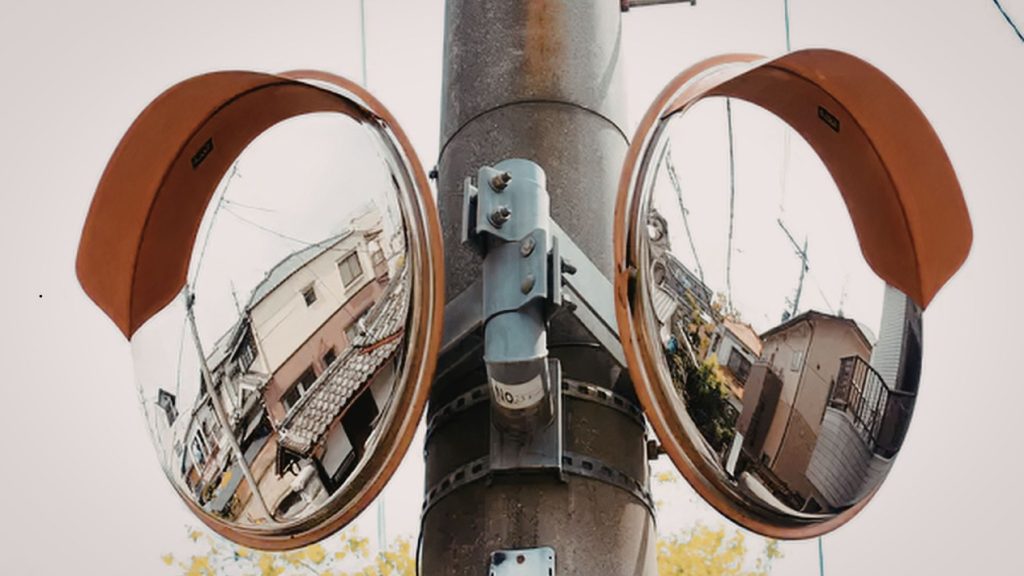
    For example, display security might involve installing security mirrors, anti-theft domes, or surveillance cameras to monitor and secure the area where products are presented. These tools deter potential theft and ensure that the display remains intact, providing a safe and pleasant shopping experience.

    What is Product Display Security?

    On the other hand, product display security specifically targets the protection of the individual items being showcased. This involves securing high-value or easily stolen items directly on the display. Product display security solutions include electronic sensors, locks, tethers, and alarms that are attached to the products themselves. These measures make it difficult for thieves to remove the items from the display without being detected.

    For example, in electronics stores, you may have seen smartphones or tablets attached to the display with tethers that trigger an alarm if tampered with. This is product display security in action, ensuring that the product remains safe while allowing customers to interact with it.

    Key Differences

    1. Scope:
    • Display Security: Focuses on protecting the entire display setup, including all visual and structural elements.
    • Product Display Security: Concentrates on securing individual products within the display.
    2. Tools and Techniques:
    • Display Security: Involves broader security measures like surveillance, mirrors, and anti-theft domes.
    • Product Display Security: Utilizes specific tools such as electronic sensors, tethers, and locks attached directly to the merchandise.

    3. Purpose:
    • Display Security: Aims to maintain the integrity and safety of the display environment as a whole.
    • Product Display Security:

    Ensures the safety of individual items from theft or damage.

    Choosing the Right Security Solution

    Understanding these differences helps retailers choose the right security measures for their needs. If your priority is to protect the overall display, investing in robust display security solutions like those offered by Se-Kure can be beneficial. However, if securing individual high-value items is your main concern, product display security measures are essential.

    Conclusion

    Both display security and product display security play critical roles in the retail environment. By implementing the right combination of these measures, you can create a secure, customer-friendly shopping experience that protects your merchandise while enhancing its visibility. For tailored security solutions that meet your specific needs, visit Se-Kure and explore our wide range of products designed to safeguard your retail space effectively.