


Tag: loss prevention

  • How to Improve Lockdown Safety in Schools and Commercial Buildings

    How to Improve Lockdown Safety in Schools and Commercial Buildings

    Lockdown safety refers to the emergency procedures put in place to protect people when there’s an immediate threat, such as an intruder, active shooter, or dangerous situation inside or near a building. In schools and commercial buildings, lockdowns are used to keep students, employees, and visitors safe by restricting movement and securing rooms quickly. These situations can happen suddenly, so being prepared is critical. A strong lockdown plan helps reduce confusion, prevent injuries, and save lives. Whether it’s a school classroom or an office building, having clear rules and systems in place ensures a fast and safe response during any emergency.

    Why Lockdown Safety Matters

    Lockdown situations can happen without warning. It’s important that staff, students, and employees know what to do quickly and calmly. A good plan reduces panic and increases safety.

    Steps to Improve Lockdown Safety

    1. Create a Clear Lockdown Plan

    Every building should have a written lockdown plan. This plan should include:

    • What triggers a lockdown

    • Who announces it

    • What everyone should do

    • Emergency contact information

    2. Train Staff and Occupants

    People need to know what to do in a lockdown. Regular training helps everyone stay calm and act fast.

    • Hold lockdown drills at least twice a year

    • Train teachers, managers, and security staff on their roles

    • Use simple language in instructions

    3. Use Lockdown Technology

    Modern tools can make lockdowns more secure and faster.

    • Automated lockdown systems

    • One-touch emergency buttons

    • Smart door locks and alarms

    • Intercom and mass notification systems

    4. Secure All Entry Points

    Doors and windows must be strong and lockable to keep intruders out.

    • Use high-quality locks on all doors

    • Keep unused doors locked

    • Use door reinforcement tools (door jammers, bars, etc.)

    5. Control Visitor Access

    Know who is entering the building at all times.

    • Use visitor ID badges

    • Install security cameras at entrances

    • Require sign-in at reception desks

    6. Create Safe Rooms or Zones

    Designate certain rooms or areas as “safe zones” during a lockdown.

    • Choose rooms with strong doors and no windows

    • Keep emergency supplies inside (first aid, water, flashlight)

    • Have communication tools available

    Extra Tips for Better Safety

    • Review and update your safety plan every year

    • Work with local police and emergency services

    • Get feedback after each drill and improve the plan

    • Teach students and employees to stay quiet and hidden during a lockdown

    Final Thoughts

    Improving lockdown safety in schools and commercial buildings takes planning and teamwork. With the right steps, training, and tools, you can help protect lives during emergencies. Reliable security solutions—like those from Se-Kure—can help your organization stay prepared. Don’t wait for a crisis to take action. Start building a safer environment today.

  • Asset Protection, Loss Prevention, and Anti-Theft Devices
    Asset Protection, Loss Prevention, and Anti-Theft Devices

    In today’s fast-paced and highly competitive business environment, protecting valuable assets is a top priority for companies of all sizes. Retail stores, warehouses, corporate offices, and other business establishments face a wide range of security threats, including theft, fraud, vandalism, and operational inefficiencies. These challenges can lead to substantial financial losses, disrupt business operations, and compromise the safety of employees and customers. To address these risks effectively, businesses must implement a comprehensive security strategy that incorporates asset protection, loss prevention, and the use of advanced anti-theft technologies.

    Asset protection goes beyond simply securing physical inventory—it involves safeguarding all valuable resources, including financial data, intellectual property, and business-critical equipment. Whether a company operates a small retail store or a large supply chain network, having well-defined security protocols in place ensures that assets remain protected against both internal and external threats. Implementing strong surveillance measures, enforcing strict access controls, and utilizing security monitoring systems are just a few of the ways businesses can enhance their overall security posture.

    Loss prevention is another crucial component of business security, focusing on reducing shrinkage and minimizing financial losses caused by theft, fraud, and inefficiencies. Employee theft and shoplifting are two of the most significant contributors to retail shrinkage, making it essential for businesses to invest in proactive loss prevention strategies. These strategies may include employee training programs, robust inventory management systems, and the deployment of security personnel. Additionally, leveraging data analytics can help businesses identify patterns of fraudulent activity, enabling them to take preventive action before losses escalate.

    The role of anti-theft technologies has become increasingly vital in modern business security. With advancements in surveillance cameras, RFID tracking systems, electronic article surveillance (EAS), and biometric access controls, companies now have more tools at their disposal to prevent unauthorized access and deter criminal activity. Smart security solutions, such as AI-powered monitoring systems, can detect suspicious behavior in real time and alert security personnel to potential threats. Moreover, integrating automated security measures with cloud-based management platforms allows businesses to maintain centralized control over their security infrastructure, ensuring seamless operations and immediate response to security incidents.

    A strong security strategy is not only about preventing theft and minimizing financial losses—it also plays a crucial role in maintaining customer trust and employee confidence. When businesses demonstrate a commitment to security, customers feel more comfortable shopping, employees work in a safer environment, and stakeholders gain confidence in the company’s ability to protect its assets.

    This guide will delve into the essential aspects of business security, providing valuable insights into effective asset protection measures, loss prevention techniques, and cutting-edge anti-theft technologies. By understanding and implementing these strategies, businesses can create a secure operating environment that minimizes risks and maximizes profitability. Whether you are a retail store owner, a warehouse manager, or a corporate executive, this comprehensive guide will equip you with the knowledge needed to strengthen your security framework and safeguard your business from evolving threats.

    Understanding Asset Protection

    Asset protection is a critical component of business security and financial planning. It involves implementing strategies to safeguard valuable resources, including physical assets, intellectual property, and financial resources, from theft, fraud, lawsuits, and other risks. Businesses, organizations, and individuals must take proactive measures to protect their assets to ensure long-term sustainability and stability.

    This detailed guide explores various aspects of asset protection, covering essential strategies, risk management techniques, and advanced security solutions. Whether you are a business owner, corporate executive, or an individual looking to secure your wealth, this guide provides valuable insights into safeguarding your assets effectively. By understanding the principles of asset protection, you can build resilience against potential threats and ensure that your resources remain secure for the long term.

    1.The Importance of Asset Protection

    1.1.1 Preventing Financial Losses

    One of the primary objectives of asset protection is to minimize financial losses due to theft, fraud, or mismanagement. Companies that fail to implement robust security measures may suffer from inventory shrinkage, data breaches, and financial fraud, all of which can significantly impact their bottom line. Investing in asset protection strategies helps mitigate these risks and ensures business continuity.

    1.2 Ensuring Business Continuity

    Asset protection strategies help businesses maintain smooth operations even in the face of security threats or legal disputes. By implementing proper security protocols and contingency plans, organizations can mitigate risks and prevent disruptions to their day-to-day activities. This includes maintaining backup systems, diversifying assets, and having insurance policies that cover various contingencies.

    1.3 Safeguarding Reputation and Customer Trust

    A security breach or significant financial loss can damage a company’s reputation and erode customer trust. Businesses that prioritize asset protection demonstrate their commitment to security and reliability, enhancing their credibility in the marketplace. Transparency and proactive security measures contribute to a strong reputation, ensuring that customers feel safe engaging with a business.

    1.4 Compliance with Legal and Regulatory Requirements

    Many industries have strict regulations regarding data protection, financial security, and loss prevention. Failure to comply with these regulations can result in legal penalties, fines, and reputational damage. Implementing a robust asset protection strategy ensures compliance with industry standards and legal obligations. Organizations must stay updated on regulatory changes and continuously refine their security frameworks to align with evolving requirements.

    2. Key Components of Asset Protection

    2.1 Physical Asset Protection

    Businesses must secure their tangible assets, including inventory, equipment, and infrastructure, against theft and damage. Essential measures include:

    • Surveillance Systems: Installing CCTV cameras to monitor premises.
    • Access Control: Using security badges, biometric scanners, and restricted entry zones.
    • Alarm Systems: Implementing motion detectors and security alarms.
    • Security Personnel: Employing trained security staff to prevent unauthorized access.
    • Inventory Tracking: Implementing RFID and barcode scanning to ensure accurate inventory records.
    • Facility Management: Strengthening entry points, fencing perimeters, and utilizing smart locks to enhance security.

    2.2 Digital Asset Protection

    In the digital age, protecting intellectual property, customer data, and financial information is crucial. Cyber threats such as hacking, phishing, and ransomware attacks require proactive defense strategies, including:

    • Data Encryption: Protecting sensitive information from unauthorized access.
    • Firewalls and Antivirus Software: Preventing malware and cyberattacks.
    • Multi-Factor Authentication (MFA): Enhancing security for sensitive accounts.
    • Regular Backups: Storing secure copies of important data to prevent loss.
    • Cybersecurity Training: Educating employees on identifying and mitigating cyber threats.
    • Incident Response Planning: Developing protocols to respond effectively to security breaches.

    2.3 Financial Asset Protection

    Safeguarding financial resources is essential for maintaining business stability. Key strategies include:

    • Fraud Detection Systems: Monitoring financial transactions for suspicious activities.
    • Internal Audits: Conducting regular financial reviews to identify potential risks.
    • Diversification of Assets: Spreading investments to reduce financial exposure.
    • Insurance Policies: Covering losses from theft, lawsuits, or natural disasters.
    • Expense Management Tools: Implementing software to track financial transactions and prevent mismanagement.
    • Emergency Funds: Establishing reserves to provide financial stability in case of unforeseen crises.

    3. Strategies for Effective Asset Protection

    3.1 Risk Assessment and Management

    Conducting a thorough risk assessment helps businesses identify potential vulnerabilities and implement appropriate countermeasures. The risk management process includes:

    • Identifying Assets and Threats: Understanding what needs protection.
    • Evaluating Risk Levels: Assessing the likelihood and impact of potential threats.
    • Implementing Mitigation Strategies: Establishing measures to reduce risks.
    • Continuous Monitoring and Updating: Adapting security measures as threats evolve.
    • Scenario Planning: Preparing for multiple potential security incidents and designing response plans.

    3.2 Legal Asset Protection Strategies

    Businesses and individuals can use legal tools to shield assets from lawsuits, creditors, and financial risks. Some effective legal strategies include:

    • Trusts and Estate Planning: Transferring assets to legal entities for protection.
    • Limited Liability Companies (LLCs): Separating personal and business finances.
    • Contracts and Agreements: Defining clear terms to prevent legal disputes.
    • Intellectual Property Protection: Registering trademarks, copyrights, and patents.
    • Tax Optimization Strategies: Structuring assets in ways that maximize financial benefits while minimizing tax liabilities.
    • Partnership Agreements: Establishing clear guidelines for business ownership and asset distribution in case of dissolution.

    3.3 Employee Training and Awareness

    Human error and internal threats contribute significantly to asset losses. Providing employees with security training and fostering a culture of awareness can prevent:

    • Insider Threats: Educating staff about fraud and security risks.
    • Social Engineering Attacks: Teaching employees how to recognize phishing scams.
    • Security Protocols: Encouraging adherence to company policies.
    • Security Drills: Conducting regular exercises to test employee response to security threats.
    • Access Control Policies: Implementing role-based access to sensitive information to prevent unauthorized access.
    3.4 Leveraging Technology for Asset Protection

    Advanced technology plays a critical role in modern asset protection. Businesses can enhance security through:

    • Artificial Intelligence (AI) and Machine Learning: Identifying patterns of fraudulent activity.
    • Blockchain for Data Security: Ensuring tamper-proof records.
    • GPS Tracking for Asset Monitoring: Locating and recovering lost or stolen items.
    • Cloud-Based Security Solutions: Providing real-time monitoring and remote access control.
    • Automation Tools: Implementing security bots that continuously monitor for cyber threats and unauthorized activities.

    Asset protection is a crucial aspect of business management, ensuring financial stability, operational continuity, and risk mitigation. By implementing a comprehensive security strategy that includes physical security measures, cybersecurity protocols, legal protections, and employee training, businesses can effectively safeguard their valuable resources. The evolving landscape of security threats necessitates constant updates and enhancements to protection strategies.

    Understanding the latest trends in asset protection, leveraging technology, and staying informed about potential threats are key to building a resilient security framework. Whether you are a business owner or an individual, taking proactive steps to secure your assets today will protect you from unforeseen challenges in the future.

    By following the principles outlined in this guide, businesses and individuals can develop a robust asset protection strategy that ensures long-term security and success.

    Introduction to Loss Prevention

    Loss prevention is a crucial practice across various industries, including retail, manufacturing, corporate settings, and e-commerce. The term refers to measures and strategies designed to prevent both internal and external theft, as well as administrative errors, that can lead to the loss of goods, funds, and valuable resources. Loss prevention aims to safeguard business assets, minimize financial loss, and ensure smooth operations. In the retail sector, loss prevention also focuses on maintaining customer trust, optimizing inventory management, and improving the overall profitability of the business.

    Effective loss prevention strategies involve a combination of physical, technological, and behavioral measures that create a secure environment for both customers and employees. As businesses grow, so do the risks associated with loss, making loss prevention a critical component of any business strategy.

    Types of Loss

    There are various forms of loss that businesses face, each requiring specific prevention measures. The most common types of loss are external theft, internal theft, administrative errors, and operational inefficiencies.

    External Theft

    External theft refers to crimes committed by customers or outsiders, such as shoplifting or organized retail crime (ORC). Shoplifting is one of the most common types of external theft, involving customers who intentionally steal items from a store. Organized retail crime involves sophisticated networks of thieves who steal large quantities of merchandise, often reselling the goods on the black market.

    In e-commerce, external theft can manifest as online fraud, where criminals engage in chargeback fraud or return fraud. This includes customers disputing legitimate charges or returning stolen or counterfeit items.

    Internal Theft

    Internal theft occurs when employees steal goods, money, or confidential information from their own employer. This type of loss can include direct theft, such as taking merchandise, or more subtle forms like skimming, where employees manipulate financial transactions for personal gain. Collusion between employees and external criminals can also be a significant factor in internal theft.

    Administrative Errors

    Administrative errors include mistakes made in inventory management, billing, pricing, or transaction recording. These errors, while not intentional, can lead to significant financial loss, especially if not caught early. For example, incorrect billing or the failure to update inventory levels can result in stock discrepancies and lost revenue.

    Operational Losses

    Operational losses refer to inefficiencies within a business’s operations that result in financial losses. These can include damaged or spoiled products, equipment malfunctions, or inefficiencies in the supply chain. Operational losses can also stem from poor resource management, such as overordering supplies or underutilizing workforce resources.

    Key Loss Prevention Strategies

    Implementing effective loss prevention strategies requires a multifaceted approach, addressing both internal and external risks. Below are several essential strategies for minimizing loss across various business operations.

    Employee Training and Awareness

    One of the most important elements of any loss prevention strategy is educating employees. Employees should be aware of the impact of theft on the business, its customers, and its employees. Loss prevention training helps employees identify suspicious behavior, understand company policies on theft, and know the proper procedures for reporting theft or fraud.

    Creating a culture of accountability within an organization can significantly reduce opportunities for internal theft. Employees must understand the consequences of stealing and should feel empowered to report theft, either anonymously or openly. Clear communication of policies, regular refresher courses, and involvement in developing loss prevention initiatives can foster an environment where everyone contributes to loss prevention efforts.

    Surveillance and Security Systems

    Modern surveillance systems are one of the most effective ways to prevent theft and deter criminal behavior. Closed-circuit television (CCTV) cameras can help monitor both customer and employee activity, acting as a visible deterrent to potential thieves. Cameras placed in strategic locations, such as entrances, exits, cash registers, and high-value merchandise areas, can significantly reduce the chances of theft.

    In addition to traditional CCTV, advancements in technology have introduced digital surveillance options. E-commerce businesses can utilize software to monitor suspicious activity, such as unusual purchase patterns or multiple failed login attempts, to detect online fraud.

    Access Control Systems

    Access control is a critical aspect of loss prevention, particularly in retail, warehouse, and manufacturing environments. Limiting access to high-risk or sensitive areas—such as stock rooms, cash registers, and employee-only zones—reduces opportunities for internal theft and operational losses. This can be achieved using keycard systems, biometric scanners, or PIN-based access systems.

    A well-implemented access control system ensures that only authorized personnel can enter specific areas, reducing the risk of employee theft or unauthorized access to valuable resources. It also allows management to track who accesses certain areas and when, creating a valuable record in case of suspected theft.

    Inventory Management

    Efficient inventory management is one of the most effective ways to prevent loss due to administrative errors or theft. Implementing a real-time inventory tracking system using barcode scanners, RFID tags, or GPS-enabled devices allows businesses to monitor inventory levels continuously. This system reduces the likelihood of stock discrepancies and enables businesses to detect theft or damage quickly.

    Regular stock audits, whether monthly or quarterly, can also help identify discrepancies and prevent issues before they escalate. Cycle counting, where a portion of the inventory is counted regularly instead of once a year, can be an effective alternative to full inventories and provide more up-to-date data.

    Loss Prevention Technology

    Technological advancements have revolutionized loss prevention in retail and e-commerce. RFID (Radio Frequency Identification) and Electronic Article Surveillance (EAS) systems are widely used in stores to prevent theft. RFID tags can be attached to products, and when the item is removed from the store without being paid for, an alarm will sound.

    E-commerce businesses have also adopted fraud detection tools that leverage artificial intelligence (AI) and machine learning to identify suspicious activities. These systems can detect abnormal transactions, such as unusually large orders or purchases made with stolen credit card information.

    Physical Security Measures

    Physical security measures focus on controlling the physical environment in which business operations take place. These measures are designed to reduce opportunities for theft, damage, or fraud.

    Store Layout and Design

    Store design can play a significant role in preventing theft. The strategic placement of products, such as placing high-value items near the checkout counter or in locked cabinets, can deter shoplifters. Clear sightlines, good lighting, and mirrors in blind spots can also improve visibility and reduce the likelihood of theft.

    Ensuring that aisles are well-lit and unobstructed makes it easier for employees to monitor customer activity and for customers to move around the store safely. A cluttered or poorly designed store can provide opportunities for criminals to conceal stolen goods.

    Employee Uniforms and Identification

    Employee uniforms and identification badges help customers and other employees easily identify authorized personnel. This is important for minimizing internal theft and ensuring that employees are properly credentialed to access restricted areas.

    Uniforms and identification badges also help security personnel distinguish between employees and customers, enabling quicker identification and response in case of suspicious behavior.

    Security Personnel

    Having security guards or loss prevention officers in and around the premises is another effective deterrent. Visible security personnel make customers aware that the store is being monitored, which can reduce the likelihood of theft. Security personnel are trained to identify suspicious behavior, monitor surveillance footage, and handle theft situations discreetly and professionally.

    Covert security personnel can also help catch shoplifters in the act. These individuals blend in with the crowd, watching for suspicious behavior without alerting potential thieves.

    Customer Behavior Monitoring

    Understanding customer behavior is an essential part of loss prevention. Businesses can use various methods to observe, engage, and deter theft or fraud.

    Understanding Shoplifters’ Behavior

    Shoplifters often exhibit certain behaviors that are indicative of their intent. These include avoiding eye contact, walking through aisles without picking up products, or using oversized bags or clothing to conceal stolen items. By training employees to recognize these signs, stores can reduce theft by intervening early.

    Additionally, employee engagement plays a crucial role in loss prevention. By simply greeting customers or engaging them in conversation, store personnel can make it clear that they are being watched, which can deter shoplifters.

    Technology for Monitoring Behavior

    Technological advancements in AI-powered cameras and sensors allow businesses to monitor customer behavior in real time. These systems can detect suspicious movements or actions, such as a customer lingering in a high-theft area or attempting to conceal an item.

    Using customer service to monitor behavior, businesses can implement personalized services that create a sense of loyalty and make customers feel more inclined to act ethically. Techniques like personalized recommendations or loyalty programs also help reduce the likelihood of theft.

    Legal and Ethical Considerations in Loss Prevention

    While loss prevention is essential, it is crucial that businesses balance their security measures with ethical and legal considerations.

    Employee Rights and Privacy

    While businesses have the right to protect their assets, they must also respect employees’ rights to privacy. Surveillance cameras and monitoring systems should not infringe upon employees’ privacy rights, particularly in areas like restrooms or break rooms.

    Clear policies should be established regarding the use of surveillance cameras, and employees should be informed about how and why they are being monitored. This transparency helps create trust and ensures compliance with privacy laws.

    Handling Accusations of Theft

    When dealing with theft accusations, businesses must follow legal procedures to avoid potential lawsuits or wrongful accusations. It’s essential to conduct a thorough investigation, collect evidence, and follow due process in handling suspects.

    Interrogations or confrontations should be handled professionally, and businesses should avoid taking matters into their own hands. Law enforcement should be called if necessary, and businesses should be prepared to work with the authorities in the case of significant theft incidents.

    Ethical Considerations

    Ethically, businesses must be transparent with employees and customers about their loss prevention measures. This includes informing customers about the use of surveillance cameras, anti-theft tags, and any other preventive measures. Ethical loss prevention ensures that customers feel safe and respected while shopping, and employees feel empowered to contribute to the overall security efforts.

    Retail Loss Prevention Programs

    A well-structured loss prevention program can help businesses systematically reduce theft and other losses while optimizing operations.

    Creating an Effective Loss Prevention Program

    An effective loss prevention program involves several key steps. First, businesses must assess their specific risks and identify areas prone to loss. This could include high-theft products, vulnerable employees, or gaps in security. Next, businesses should design a program that addresses these risks, including employee training, technology implementation, and physical security measures.

    Regularly evaluating the program’s effectiveness is essential for adapting to new threats and challenges. The program should be flexible, allowing for adjustments as the business grows or changes.

    Partnering with Law Enforcement

    Collaboration with local law enforcement is vital for tackling large-scale theft and organized retail crime. Law enforcement can provide valuable insights into crime trends and help businesses prevent significant losses. Regular communication with law enforcement officers can also help businesses stay informed about local crime activity and adjust their security protocols accordingly.

    Loss prevention is an ongoing and multifaceted effort that requires businesses to employ a combination of strategies, technologies, and employee engagement to safeguard their assets. Whether dealing with internal or external theft, administrative errors, or operational inefficiencies, businesses must adopt a proactive approach to minimize loss and ensure smooth operations.

    By focusing on key loss prevention strategies—employee training, surveillance systems, inventory management, physical security measures, and the use of technology—businesses can create an environment that reduces theft, builds customer trust, and enhances profitability.

    As technology continues to evolve, so too will the tools and techniques used in loss prevention. Businesses must stay adaptable, leveraging emerging technologies like AI, machine learning, and blockchain to address new threats and enhance their loss prevention strategies.

    Ultimately, an effective loss prevention strategy is not just about protecting assets—it’s about building a culture of security, responsibility, and trust within the organization. With the right mix of proactive measures, businesses can significantly reduce the impact of theft and other losses while fostering a safer, more secure environment for everyone involved.

    The Role of Anti-Theft Devices

    Anti-theft devices are integral components of modern security systems across various industries, particularly in retail, warehouses, e-commerce, and other high-risk environments. They are designed to protect businesses and individuals from theft, vandalism, and other forms of criminal activity by providing deterrents, detecting unauthorized actions, and alerting authorities when necessary. With the rise of organized crime, internal theft, and online fraud, anti-theft devices have evolved into sophisticated, multi-functional tools that combine technology with practical security measures to prevent losses.

    The role of anti-theft devices extends beyond merely preventing theft. These devices play a vital role in enhancing overall security, improving operational efficiency, and contributing to business profitability. In retail, for example, anti-theft systems like Electronic Article Surveillance (EAS), RFID tags, and closed-circuit television (CCTV) cameras help reduce theft, manage inventory, and increase customer confidence. They have become indispensable in creating a secure and trusted environment for both businesses and consumers.

    The importance of anti-theft devices has been magnified by growing concerns about the effectiveness of traditional security measures. The increasing sophistication of theft tactics, including organized retail crime (ORC) and digital fraud, has necessitated the development and deployment of advanced anti-theft devices. These devices offer protection not only against physical theft but also against cyber theft, ensuring a comprehensive security strategy that covers both in-store and online transactions.

    In this article, we will explore the different types of anti-theft devices, their functionalities, how they work, and their impact on businesses and consumers. We will discuss their evolution, the technologies involved, and the role they play in modern-day loss prevention strategies. Moreover, we will examine how these devices integrate with other security measures, including employee training, physical security, and data protection protocols, to create a robust anti-theft infrastructure.

    Key Anti-Theft Devices and Their Role in Loss Prevention

    1.Electronic Article Surveillance (EAS) Systems

    • What are EAS Systems?

    EAS systems are one of the most widely used anti-theft devices in retail environments. These systems consist of electronic tags or labels that are attached to products, which communicate with security gates or sensors at store entrances and exits. When an item with an active tag is passed through the gate without being deactivated at checkout, the system triggers an alarm to alert store staff of a potential theft.

    EAS systems are available in several forms, including Radio Frequency (RF), Acousto-Magnetic (AM), and Electro-Magnetic (EM) systems. Each type uses different frequencies or magnetic fields to detect items as they pass through security checkpoints.

    • How EAS Systems Work

    When a tagged item passes through the security gates, the EAS system’s sensors detect the signal from the tag. If the item has not been properly deactivated or removed (usually at the point of sale), the system triggers an alarm, notifying staff and security of a potential theft.

    EAS tags come in various forms, including hard tags, soft tags, and labels, each designed to suit different types of products and environments. Hard tags are used for higher-value items, while soft tags or labels are often used for clothing and smaller items.

    • Benefits of EAS Systems

    Deterrence: The visible presence of EAS tags and security gates serves as a strong deterrent against theft, making potential shoplifters think twice before attempting to steal merchandise.

    Real-time Alerts: EAS systems provide immediate alerts when an item is being stolen, allowing store staff to respond quickly and take necessary actions, such as stopping the individual or contacting security.

    Reduced Shrinkage: Shrinkage, or the loss of inventory due to theft, is a significant concern for retailers. EAS systems help reduce shrinkage by preventing unauthorized removal of items from the store.

    2.Radio Frequency Identification (RFID) Technology

    • What is RFID Technology?

    o RFID is a type of anti-theft device that uses radio waves to transmit data between a tag attached to an item and a reader placed at strategic locations throughout the store or warehouse. RFID systems are similar to EAS systems but offer more advanced capabilities, such as real-time tracking and inventory management.

    o RFID tags contain a small microchip that stores information about the item, including its identification, location, and price. The data can be read by RFID readers installed at store entrances or within the supply chain.

    • How RFID Technology Works

    o RFID tags are embedded in products, and RFID readers installed at various points (e.g., entrances, exits, or on shelves) communicate with the tags to track and monitor items. RFID systems can identify products by scanning the unique codes assigned to each RFID tag, allowing businesses to track merchandise in real-time.

    When an RFID tag is detected at a checkpoint (e.g., a security gate or exit), the system checks if the item has been purchased or checked out. If not, the system will trigger an alarm to alert staff of potential theft.

    • Benefits of RFID Technology

    Inventory Management: RFID systems provide accurate, real-time tracking of products, enabling businesses to optimize their inventory management processes. This reduces errors, minimizes out-of-stock situations, and streamlines restocking.

    Enhanced Theft Prevention: Like EAS, RFID can also function as a deterrent, with the added benefit of more detailed tracking capabilities. RFID can be integrated with other security measures to provide a comprehensive solution for preventing theft and fraud.

    Reduced Human Error: RFID technology helps reduce the risk of administrative errors, such as miscounted inventory or incorrect product labeling, that can lead to financial losses.

    3.Closed-Circuit Television (CCTV) Surveillance

    • What is CCTV Surveillance?

    o CCTV systems are one of the most traditional yet effective anti-theft devices used to prevent theft and ensure security in retail stores, warehouses, offices, and other commercial environments. CCTV cameras are installed in key locations to monitor and record activities in real-time, providing evidence in the event of theft or security breaches.

    • How CCTV Works

    o CCTV systems consist of cameras that are strategically placed to monitor areas where theft or suspicious behavior is most likely to occur. These cameras feed live video footage to a central monitoring station, where security personnel can assess the situation. The footage is also recorded for future review and use in investigations.

    o CCTV systems are often integrated with motion detectors, infrared sensors, and video analytics to enhance their capabilities. Modern systems may also feature facial recognition or vehicle license plate recognition to identify suspects.

    • Benefits of CCTV Surveillance

    o Deterrence: The presence of CCTV cameras can deter criminals from attempting to steal, knowing that their actions are being monitored and recorded.

    o Evidence Collection: In case of theft or any criminal activity, CCTV footage serves as valuable evidence that can help identify suspects and support legal proceedings.

    o Remote Monitoring: CCTV systems can be monitored remotely, enabling businesses to keep an eye on their premises 24/7, even when staff is not on-site.

    4.Alarm Systems and Motion Sensors

    • What are Alarm Systems and Motion Sensors?

    o Alarm systems and motion sensors are commonly used in both physical and online retail environments to detect unauthorized movement or activity. In stores, motion sensors are placed near entrances, exits, or high-risk areas to detect movement that could indicate theft.

    Alarm systems, including door/window alarms and glass-break detectors, can be installed to alert businesses to break-ins or unauthorized access after hours.

    • How Alarm Systems and Motion Sensors Work

    o Motion sensors use infrared technology to detect movement in a designated area. When an intruder enters the area, the motion sensor triggers the alarm, which alerts security personnel or law enforcement.

    o Alarm systems can also be connected to other security devices, such as CCTV or RFID systems, to enhance detection and provide more comprehensive coverage.

    • Benefits of Alarm Systems and Motion Sensors

    Instant Alerts: Motion sensors and alarms provide immediate alerts when unauthorized activity is detected, allowing businesses to respond quickly and mitigate potential damage or theft.

    24/7 Protection: These devices operate continuously, providing round-the-clock protection, even during off-hours when the store or business is closed.

    Cost-Effective: Alarm systems and motion sensors are often more affordable than other anti-theft devices like RFID or CCTV, making them an accessible option for businesses of all sizes.

    5.Anti-Theft Tags and Labels

    • What are Anti-Theft Tags and Labels?

    o Anti-theft tags and labels are small devices that are attached to items in retail stores to deter theft. These devices come in various forms, including hard tags (used for larger, more valuable items) and soft labels (used for smaller, less expensive items).

    • How Anti-Theft Tags and Labels Work

    o Tags and labels contain either a magnetic or electronic component that is activated at checkout. If the item is not properly deactivated or removed during the checkout process, the tag or label will trigger an alarm when passed through security gates or sensors at the store’s exits.

    • Benefits of Anti-Theft Tags and Labels

    Affordable: Anti-theft tags and labels are relatively low-cost solutions that can be applied to a wide range of products, making them ideal for stores with high volumes of merchandise.

    Versatile: These devices can be used for various types of products, from clothing to electronics, and can be integrated with EAS or RFID systems for enhanced protection.

    Enhanced Deterrence: The visibility of tags and labels, combined with the audible alarms, acts as a strong deterrent to potential thieves.

    The Future of Anti-Theft Devices

    Anti-theft devices have come a long way from their humble beginnings, evolving into highly sophisticated tools that combine technology with security practices to protect businesses and consumers from theft. From RFID and EAS systems to CCTV surveillance and motion sensors, these devices play a pivotal role in reducing theft, improving inventory management, and enhancing overall security.

    As technology continues to advance, the role of anti-theft devices will only grow more significant. The integration of AI, machine learning, and data analytics into anti-theft systems promises to revolutionize the way businesses detect, prevent, and respond to theft. These advancements will allow for even more effective and seamless loss prevention strategies that protect both physical and digital assets.

    By continuing to innovate and adapt to the evolving landscape of theft, anti-theft devices will remain an essential tool in safeguarding businesses, preventing losses, and ensuring a safe environment for consumers and employees alike.

    The Need for a Comprehensive Security Plan

    In today’s increasingly complex and interconnected world, organizations face a wide variety of threats. These threats range from physical burglaries and employee misconduct to cyberattacks, data breaches, and even natural disasters. With the escalating risks, implementing a comprehensive security plan is not just a choice but a necessity for businesses and individuals who wish to safeguard their resources.

    A comprehensive security plan combines preventive, detective, and corrective measures that address the full spectrum of threats and vulnerabilities an organization may face. It incorporates both physical security measures and cybersecurity systems, aligning them with organizational goals, resources, and priorities. This plan should be dynamic, regularly updated, and adaptable to the changing threat landscape.

    In this guide, we will explore the key components of implementing a comprehensive security plan, including risk assessment, security policies, technology integration, training, incident response, and continuous improvement.

    1. AssesRisk sment: Identifying and Analyzing Security Threats The foundation of a comprehensive security plan is a thorough risk assessment. By identifying potential threats, vulnerabilities, and consequences of security breaches, businesses can make informed decisions about where to allocate resources and how to address various risks.

    Conducting a Risk Assessment

    • Identifying Assets: Before assessing the risks, it is essential to identify the assets that need protection, such as physical property, intellectual property, employees, customer data, financial assets, and IT systems.
    • Evaluating Potential Threats: Different types of threats pose unique risks to these assets. For example, physical theft may threaten tangible goods, while cyberattacks may compromise digital assets and data.
    • Physical Threats: Theft, vandalism, natural disasters, workplace violence.
    • Cyber Threats: Hacking, phishing, malware, ransomware.
    • Internal Threats: Employee theft, espionage, or negligence.
    • Environmental Threats: Fire, floods, earthquakes, or other natural events.

    Assessing Vulnerabilities

    • After identifying potential threats, the next step is to evaluate vulnerabilities. Vulnerabilities are weaknesses in the organization’s existing security infrastructure that could be exploited by threats. Examples include outdated security systems, lack of employee training, or unsecured network infrastructure.
    • Conduct a security audit to evaluate current systems, policies, and procedures.
    • Identify any gaps in the current security framework and assess the impact these gaps may have.

    Evaluating the Likelihood and Impact

    • The risk assessment process involves determining the likelihood of each threat occurring and the potential impact it would have on the organization. Risks are often categorized into high, medium, and low.
    • Consider the financial, reputational, and operational impact of various security incidents. For example, a cyber breach could lead to data theft and legal consequences, while a physical theft might result in direct financial loss or operational disruption.

    2.Developing Security Policies and Procedures

    Once risks have been assessed, businesses need to develop and implement security policies and procedures that address identified risks. Security policies provide clear guidelines for employees and stakeholders on how to handle security-related issues, while procedures ensure consistent implementation and response to threats.

    Creating a Security Policy Framework

    • Physical Security Policies: Define measures for securing physical premises, including access control, surveillance, and employee safety protocols.
    • Cybersecurity Policies: Outline protocols for protecting digital assets, including password management, network security, encryption, and data storage practices.
    • Employee Conduct: Establish clear guidelines on acceptable use of company resources, including email, internet access, and social media.
    • Incident Reporting: Develop clear procedures for reporting suspicious activity, security breaches, or accidents. Create a system for employees to report issues without fear of retaliation.
    • Compliance: Ensure that security policies align with industry regulations and standards, such as GDPR, HIPAA, and PCI-DSS, to avoid legal liabilities.Establishing Procedures for Various Scenarios
    • Access Control Procedures: Define how individuals will be granted access to restricted areas or systems. This could involve key cards, biometric authentication, or security badges.
    • Emergency Procedures: Develop clear protocols for emergencies such as fire, active shooter incidents, or natural disasters. These procedures should include evacuation plans, emergency contact information, and roles for security personnel.
    • Data Protection and Cybersecurity Protocols: Create protocols for securing sensitive data, including encryption standards, secure file sharing, and incident response for cybersecurity breaches.
    • Regular Updates and Audits: Implement regular reviews of security policies and procedures to ensure they remain up to date with evolving risks and technological advancements.

    3. Integrating Security Technology

    Security technology is a crucial element of a comprehensive security plan, helping to enhance protection and streamline operations. Integrating various security systems ensures that physical and digital infrastructure is adequately protected from potential threats.

    Physical Security Technology

    • Access Control Systems: Modern access control systems use keycards, PIN codes, or biometric scanners (fingerprints, retina scans) to limit access to secure areas. These systems can track who enters and exits specific locations, providing valuable data for security analysis.
    • Surveillance Systems: Closed-circuit television (CCTV) cameras help monitor and record activity in and around a facility. In addition to basic video surveillance, advanced systems may include motion detection, infrared cameras, and video analytics to detect suspicious activity.
    • Intrusion Detection Systems: Alarm systems and motion detectors are designed to detect unauthorized entry into a facility. They can be integrated with surveillance systems and security personnel to trigger alerts when a break-in is detected.
    • Perimeter Security: Fencing, gates, and barriers are key components of physical security. These systems help control access to a property and can prevent unauthorized individuals from entering restricted areas.Cyber Security Technology
    • Firewalls and Intrusion Detection Systems (IDS): Firewalls prevent unauthorized access to a network by filtering incoming and outgoing traffic. Intrusion detection systems monitor network traffic for signs of malicious activity, such as unauthorized logins or malware.
    • Encryption: Encryption ensures that sensitive data, such as customer information or financial transactions, is protected during storage and transmission. Strong encryption protocols (e.g., AES, TLS) are essential for safeguarding against data breaches.
    • Endpoint Security: Antivirus software, anti-malware programs, and device management systems are vital for protecting endpoints (laptops, smartphones, and servers) from cyber threats. They prevent unauthorized access and detect threats before they cause damage.
    • Cloud Security: As more businesses move to cloud-based services, securing cloud environments is paramount. Use secure cloud storage platforms, employ multi-factor authentication (MFA), and ensure data is encrypted in the cloud.

    4. Employee Training and Awareness

    Employees are often the first line of defense against security threats, making training a critical aspect of a comprehensive security plan. A well-trained workforce can recognize potential threats, respond effectively to security breaches, and contribute to creating a culture of security.

    Developing an Employee Training Program

    • Security Awareness Training: Educate employees on security risks, including phishing scams, social engineering, and physical security threats. Help them recognize suspicious behavior and understand the importance of adhering to security policies.
    • Cybersecurity Training: Offer specific training on protecting digital assets, including proper password management, identifying phishing emails, and using secure communication channels. Provide regular updates on new cybersecurity threats.Physical Security Training: Employees should be trained in handling physical security measures, such as locking doors, monitoring surveillance cameras, and responding to emergency situations.
    • Incident Reporting: Employees should be aware of how to report security incidents, including any breaches or suspicious activities they notice. Encourage open communication and create an environment where employees feel comfortable reporting concerns.

    Regular Drills and Simulation Exercises

    • Conduct regular drills to test employees’ ability to respond to various security scenarios, such as fire evacuations, active shooter situations, or cybersecurity breaches. These exercises ensure that employees are prepared for emergencies and can follow established protocols.

    5. Incident Response and Recovery Plan

    An effective security plan should include detailed procedures for responding to and recovering from security incidents. This ensures that organizations can quickly detect, contain, and mitigate any damage caused by security breaches.

    Incident Response Procedures

    • Detection and Containment: The first step in any response plan is identifying the incident and containing it. Whether it’s a data breach, a physical security threat, or a cyberattack, immediate action is necessary to prevent further damage.
    • Communication Protocols: Clear communication channels must be established to notify relevant parties, such as management, employees, law enforcement, and customers, in the event of an incident. Maintain an updated list of contacts and establish a chain of command for incident management.
    • Incident Investigation: After containing the breach, an investigation must be conducted to determine the cause, scope, and impact of the incident. This may involve collecting evidence, analyzing logs, and working with cybersecurity experts or law enforcement.

    Recovery Procedures

    • Data Restoration and Backup: In case of data loss or corruption due to a breach, it’s crucial to have a reliable backup and restoration process in place. Regularly back up critical data and store it in secure locations.
    • System and Network Restoration: Cyber incidents often require restoring compromised systems and networks to ensure they are secure and functional. This may involve applying security patches, changing passwords, and reinstalling software.
    • Reputation Management: After a security incident, managing the organization’s reputation is vital. Communicate transparently with customers, stakeholders, and the public, outlining the actions taken to address the incident and prevent future occurrences.

    6. Continuous Improvement and Auditing

    A comprehensive security plan must evolve to address new and emerging threats. Regular reviews and audits ensure that the plan remains effective and up to date.

    Regular Security Audits

    • Conduct regular internal and external security audits to assess the effectiveness of security measures. These audits may focus on physical security, cybersecurity, employee compliance, and overall vulnerability management.
    • Third-party audits can provide an unbiased review of security systems, policies, and procedures, offering insights into potential weaknesses.

    Feedback and Adaptation

    • Encourage feedback from employees, security personnel, and other stakeholders to identify areas for improvement. Adapt security measures as needed to respond to new threats or vulnerabilities.
    • Stay informed about the latest security trends, tools, and best practices, and incorporate them into your security plan as appropriate.

    The Importance of a Holistic Approach

    Implementing a comprehensive security plan requires a multi-faceted approach that integrates people, processes, and technology. By assessing risks, developing policies, integrating security technologies, training employees, and establishing incident response protocols, businesses can safeguard their assets from a wide range of threats. Regular reviews and continuous improvements ensure that the security plan remains effective and adaptable in an ever-changing landscape.

    The key to a successful security strategy is not just reacting to incidents but proactively identifying potential risks and addressing them before they lead to significant damage. By fostering a culture of security and prioritizing ongoing training, businesses can significantly reduce their vulnerability to theft, cyberattacks, and other security threats, while maintaining the trust of customers and employees.

    Case Studies & Real-World Applications

    Case Study 1: Retail Industry – Walmart’s Loss Prevention Strategy

    Background: Walmart, one of the largest global retailers, faces significant risks related to theft, fraud, and security incidents across its vast network of stores. As a large retailer with a global presence, Walmart has had to address both internal and external threats, ranging from shoplifting and employee theft to cyberattacks targeting its e-commerce platform.

    Security Plan Implementation: To combat these challenges, Walmart implemented a comprehensive security plan with multiple layers of defense:

    • EAS Systems and CCTV Surveillance: Walmart utilizes Electronic Article Surveillance (EAS) tags on high-value items, which are monitored by security cameras and alarms at store exits. This helps deter shoplifting by making it clear that items are being actively monitored.
    • Advanced Analytics: Walmart uses advanced data analytics to identify and predict patterns of theft. By analyzing customer and transaction data, the company can identify trends in theft and better allocate resources to high-risk areas.
    • Employee Training and Awareness: Walmart emphasizes the importance of employee involvement in its loss prevention efforts. Store associates are trained to recognize suspicious behavior and to use customer engagement as a deterrent against theft.
    • Centralized Command Centers: Walmart has established centralized security command centers that monitor video surveillance from stores across the country. These centers use real-time data to detect incidents, respond quickly, and assist store personnel in addressing potential security breaches.

    Results: Walmart’s security strategy has been successful in reducing theft and increasing inventory accuracy. The implementation of EAS systems and surveillance cameras has had a significant deterrent effect, lowering incidents of shoplifting. Advanced analytics has allowed the company to allocate resources more efficiently, responding to threats in high-risk areas.

    The company’s emphasis on employee training and engagement has helped foster a security-conscious culture across its stores. Walmart continues to refine its approach by investing in cutting-edge security technology and adapting to new trends, such as organized retail crime.

    Key Takeaways:

    • Integrating physical and digital security measures can significantly enhance theft prevention efforts.
    • Employee involvement and training are critical components of an effective loss prevention strategy.
    • Data analytics and real-time monitoring help optimize security resources and improve response times.

    Case Study 2: Healthcare Industry – Protecting Patient Data at the Mayo Clinic

    Background: The Mayo Clinic, one of the largest and most renowned healthcare providers in the world, handles sensitive patient data and medical records daily. The healthcare industry is increasingly targeted by cybercriminals looking to access personal and medical information, making data protection a top priority.

    Security Plan Implementation: The Mayo Clinic implemented a comprehensive cybersecurity plan focused on protecting patient data and ensuring compliance with regulations such as HIPAA (Health Insurance Portability and Accountability Act). Key components of the plan include:

    • Encryption and Access Control: All patient data is encrypted both at rest and during transmission. Access to sensitive data is restricted based on the principle of least privilege, ensuring that only authorized personnel can view patient records.
    • Multi-Factor Authentication (MFA): The Mayo Clinic uses MFA to verify the identity of users accessing critical systems. This additional layer of security helps prevent unauthorized access, even if login credentials are compromised.
    • Security Information and Event Management (SIEM) Systems: SIEM systems are used to monitor network activity and identify potential security threats in real time. These systems generate alerts and enable rapid responses to suspicious activity, such as attempts to access protected health information (PHI).
    • Regular Audits and Compliance Checks: To ensure continuous security, the Mayo Clinic conducts regular audits and assessments of its systems. These audits help identify vulnerabilities and ensure compliance with HIPAA and other regulatory standards.

    Results: The Mayo Clinic has successfully mitigated the risk of data breaches and cyberattacks through its comprehensive security plan. Its use of encryption, MFA, and real-time monitoring has enhanced the protection of patient data. The clinic’s focus on regular security audits and compliance checks ensures that the organization stays ahead of emerging cyber threats.

    The Mayo Clinic’s cybersecurity strategy is continually evolving to address new challenges in healthcare IT. The organization regularly updates its security policies to stay aligned with changing regulations and industry standards.

    Key Takeaways:

    • Encryption and access control are critical in protecting sensitive data, especially in regulated industries like healthcare.
    • Multi-factor authentication enhances security by adding an extra layer of verification.
    • Regular audits and assessments ensure compliance and identify vulnerabilities before they can be exploited.

    Conclusion

    Implementing a comprehensive security strategy that integrates asset protection, loss prevention, and anti-theft devices is critical for businesses looking to reduce risks and minimize financial losses. A well-rounded security plan not only safeguards physical and digital assets but also ensures the safety of employees, customers, and business operations. By combining advanced technologies, employee training, and strict operational protocols, businesses can create a safer and more secure environment that reduces vulnerabilities and enhances overall efficiency.

    Asset protection and loss prevention are essential components of any security strategy. These practices go beyond preventing theft—they also encompass measures that protect intellectual property, maintain the integrity of operations, and secure the company’s physical infrastructure. Anti-theft devices, such as Electronic Article Surveillance (EAS) systems, CCTV cameras, and RFID technology, serve as visible deterrents against theft, providing real-time alerts and enabling quick action when a breach occurs. These devices are not only effective in preventing theft but also contribute to maintaining accurate inventory and preventing operational disruptions.

    However, the technology alone is not enough. Employee training plays a crucial role in any security plan’s success. Well-trained staff members are better equipped to recognize suspicious behavior, follow security protocols, and respond effectively in emergency situations. Security training should cover a wide range of topics, including identifying theft patterns, safeguarding customer data, and responding to cyber threats. Moreover, employees should be well-versed in the company’s security policies and procedures to ensure consistent implementation across all levels of the organization.

    An essential part of a comprehensive security strategy is integrating advanced technologies to detect and prevent threats in real time. Surveillance systems, motion detectors, and intrusion alarms all work together to detect unauthorized access and provide immediate notifications to staff or security personnel. Additionally, the use of machine learning and artificial intelligence (AI) in monitoring systems allows businesses to identify patterns, predict potential threats, and optimize security responses. Cybersecurity measures, such as multi-factor authentication (MFA) and encryption, also play a crucial role in protecting digital assets, making it more difficult for cybercriminals to gain unauthorized access to sensitive information.

    In addition to asset protection and advanced security technologies, operational protocols must be established and enforced to maintain a secure business environment. Regular security audits, vulnerability assessments, and updates to policies ensure that security measures remain effective in the face of evolving threats. Establishing clear procedures for incident reporting, emergency response, and data recovery helps ensure that businesses can react swiftly and minimize damage in the event of a security breach. Get a Quote

  • Retail Theft Prevention Strategies: Maximizing Security with Theft Prevention Systems and Devices

    Retail Theft Prevention Strategies: Maximizing Security with Theft Prevention Systems and Devices

    Retail theft is a significant challenge for businesses, costing the industry billions annually in lost revenue. Whether it’s shoplifting, employee theft, or organized retail crime, the impact extends beyond financial losses to include diminished customer trust and compromised store operations. To combat these risks, retailers must adopt proactive measures, including theft prevention systems and advanced security devices.

    In this article, we’ll explore the most effective retail theft prevention strategies, highlight essential technologies, and provide actionable insights to help safeguard your business, protect your inventory, and create a secure shopping environment for employees and customers alike.

    Understanding Retail Theft

    Retail theft is one of the most pressing challenges faced by businesses today, with its effects rippling across industries of all sizes. This form of theft encompasses a variety of activities, including shoplifting, employee theft, fraud, and organized retail crime (ORC). To effectively combat these issues, it’s crucial to understand the different types of retail theft, their causes, and their broader implications.

    Types of Retail Theft

    1. Shoplifting

    Shoplifting is the most common form of retail theft, involving customers who deliberately conceal or remove items without paying. Common tactics include switching price tags, hiding items in bags, or walking out with unpaid merchandise.

    2. Employee Theft

    Internal theft by employees accounts for a significant portion of retail losses. This can include stealing cash from registers, misusing discounts, or taking merchandise without authorization.

    3. Fraudulent Activities

    Fraud involves deceptive practices such as returning stolen goods for refunds, using counterfeit currency, or committing payment fraud through stolen credit cards.

    4. Organized Retail Crime (ORC)

    ORC involves coordinated efforts by professional thieves or criminal groups targeting high-value items. These individuals often resell stolen goods through online marketplaces or underground networks.

    The Impact of Retail Theft

    1. Financial Losses

    Retail theft leads to billions in annual losses, directly affecting profit margins and the ability to invest in business growth.

    2. Increased Costs for Consumers

    To offset theft-related losses, businesses may increase prices, passing the financial burden to customers.

    3. Operational Challenges

    Theft disrupts inventory management, leading to stock discrepancies, dissatisfied customers, and increased workload for staff.

    4. Erosion of Trust

    Employee theft damages workplace morale and trust, while frequent incidents of shoplifting may deter loyal customers from returning.

    Understanding the Root Causes

    1. Lack of Security Measures

    Insufficient theft prevention systems, such as the absence of surveillance cameras or alarm systems, create opportunities for theft.

    2. Store Layout and Blind Spots

    Poorly designed store layouts with hidden areas make it easier for thieves to act unnoticed.

    3. Economic Pressures

    Economic downturns and financial stress can lead individuals to resort to theft, either out of necessity or desperation.

    4. Technological Vulnerabilities

    Advances in technology can sometimes work against retailers, with fraudsters exploiting gaps in digital payment systems or security software.

    The Importance of Retail Theft Prevention

    Retail theft is a widespread issue that poses a significant challenge to businesses, costing the industry billions of dollars annually. From shoplifting to employee theft, these crimes not only impact a company’s bottom line but also have far-reaching consequences that affect staff morale, customer trust, and the overall reputation of the business. Addressing retail theft isn’t just about reducing losses—it’s about safeguarding the integrity and longevity of your operation.

    The High Cost of Retail Theft

    • Financial Losses

    Retail theft directly reduces profits, straining resources that could otherwise be used for business growth, employee incentives, or customer rewards programs. Persistent losses can even jeopardize the financial health of smaller businesses.

    • Impact on Staff Morale

    Employee theft undermines workplace trust, creating a tense atmosphere where suspicion may arise among team members. Furthermore, dealing with theft incidents can distract employees from their core responsibilities, leading to decreased productivity.

    • Customer Trust and Experience

    Frequent theft-related disruptions, such as alarms or staff interventions, can negatively impact the shopping experience. Customers may perceive a lack of security as negligence, eroding their trust in the business.

    • Reputational Damage

    News of theft, especially high-profile incidents, can harm a store’s reputation, making it appear vulnerable or poorly managed. This can deter customers from visiting and make the business a less attractive partner for suppliers.

  • Boosting Store Security Using Advanced Security Technologies
    Boosting Store Security Using Advanced Security Technologies

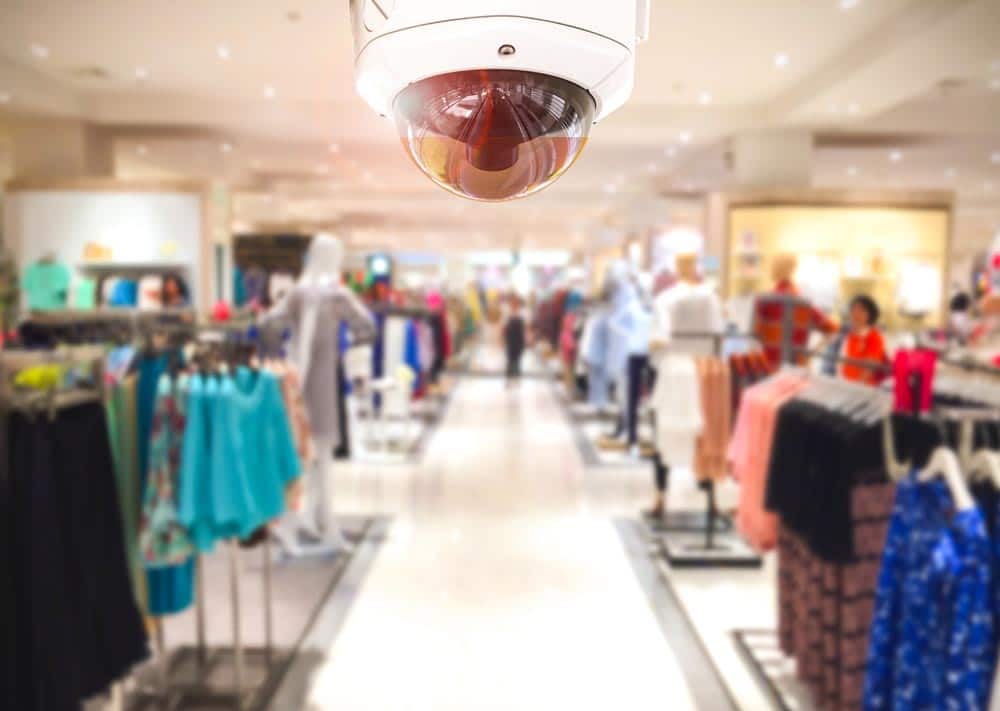
    In today’s retail environment, store security is more critical than ever. With increasing threats ranging from shoplifting to organized retail crime, retailers must invest in advanced security technologies to protect their assets, customers, and employees. This blog explores how leveraging cutting-edge security systems can enhance store security and maintenance, improve retail management, and create a safer shopping experience.

    The Importance of Store Security in Retail Management

    Effective store security is a cornerstone of successful retail management. It not only prevents theft and reduces losses but also fosters a secure environment for customers and staff. A well-maintained store security system helps retailers monitor activity, manage risks, and respond quickly to potential threats. By integrating advanced technologies, retailers can significantly enhance their store security measures.

    Key Advanced Security Technologies for Retail

    1. Smart Surveillance Systems:

    Traditional CCTV systems are being replaced by smart surveillance technologies equipped with AI and machine learning. These systems offer features like facial recognition, behavior analysis, and real-time alerts, allowing retailers to detect suspicious activities before they escalate. Smart surveillance is a vital component of any store security system, providing constant monitoring and actionable insights.

    2. Electronic Article Surveillance (EAS) with Enhanced Capabilities:

    EAS remains a cornerstone of retail store security, but modern systems now include advanced features like tamper detection and integrated data analytics. These enhancements allow for better tracking of store inventory and more effective prevention of shoplifting. Integrating EAS with other security technologies further strengthens store security and maintenance efforts.

    3. RFID-Based Inventory Management:

    Radio Frequency Identification (RFID) is revolutionizing inventory management and store security. RFID tags provide real-time data on inventory movement, helping retailers track stock levels accurately and detect any unauthorized removal of items. By integrating RFID with a store security system, retailers can monitor inventory both on the sales floor and in storage areas, reducing the risk of theft and improving overall operational efficiency.

    4.Access Control Systems with Multi-Factor Authentication:

    Securing access to sensitive areas of the store, such as stockrooms and cash offices, is crucial for preventing internal theft. Advanced access control systems now offer multi-factor authentication, including biometrics, PINs, and smart cards, ensuring that only authorized personnel can enter restricted areas. This level of security is essential for maintaining a secure store environment and managing risks associated with internal theft.

    5. Integrated Security Platforms:

    Modern retail security relies on integrating various technologies into a single, cohesive platform. Integrated security platforms allow retailers to manage surveillance, access control, EAS, and RFID systems from one central interface. This not only simplifies store security management but also provides a comprehensive view of store operations, enabling faster and more effective responses to security incidents.

    Enhancing Store Security and Maintenance

    Implementing advanced security technologies is only part of the equation. Regular maintenance and updates are essential to ensure that your store security system remains effective. This includes routine inspections, software updates, and staff training on the latest security protocols. By prioritizing store security and maintenance, retailers can prevent potential vulnerabilities and maintain a high level of protection.

    Conclusion

    Investing in advanced security technologies is a strategic move for any retailer looking to boost store security and improve retail management. From smart surveillance and EAS to RFID and access control systems, these technologies provide robust protection against a wide range of threats. By integrating these tools into a comprehensive store security system and ensuring regular maintenance, retailers can create a secure environment that benefits both their bottom line and their customers. To explore the latest in security solutions, visit Se-Kure and discover how we can help safeguard your store.

  • How to Prevent Retail Losses with Advanced Security Measures

    How to Prevent Retail Losses with Advanced Security Measures

    In the competitive world of retail, loss prevention is a critical concern for businesses of all sizes. Whether it’s shoplifting, employee theft, or inventory shrinkage, the impact on a retailer’s bottom line can be significant. Fortunately, advancements in security technology offer innovative solutions to combat these challenges. In this blog, we’ll explore how to prevent retail losses with advanced security measures, focusing on essential strategies and tools.

    Understanding the Scope of Loss Prevention

    Loss prevention encompasses a range of strategies designed to reduce theft, fraud, and errors that lead to inventory shrinkage. Retailers often face two primary threats: external theft (shoplifting) and internal theft (employee dishonesty). Effective loss prevention requires a combination of proactive measures, cutting-edge technology, and a well-trained staff.

    The Role of Advanced Security Measures

    To stay ahead of theft and fraud, retailers must invest in advanced security solutions. Here are some key security measures that can significantly enhance loss prevention efforts:

    1. Surveillance Systems:

    Modern surveillance systems are more than just cameras. With high-definition video, remote access, and AI-driven analytics, today’s systems can detect suspicious behavior, monitor blind spots, and provide valuable insights into customer patterns. Integrating these systems with loss prevention services creates a comprehensive security network that deters both shoplifters and dishonest employees.

    2. Electronic Article Surveillance (EAS):

    EAS is a staple in retail loss prevention security. It involves tagging merchandise with electronic sensors that trigger an alarm if someone attempts to leave the store without deactivating the tag. EAS is particularly effective in high-traffic areas, helping to reduce shoplifting incidents.

    3. RFID Technology:

    Radio Frequency Identification (RFID) is revolutionizing inventory management and loss prevention. RFID tags allow retailers to track products in real-time, providing instant data on inventory levels and movement. This technology not only helps prevent theft but also improves overall inventory accuracy, reducing losses due to errors.

    4. Access Control Systems:

    Controlling who can access certain areas of your store is vital for preventing internal theft. Advanced access control systems, including biometric scanners and keycard access, ensure that only authorized personnel can enter sensitive areas, such as stockrooms or cash offices. This adds an extra layer of protection against internal loss.

    5. Analytics and Reporting Tools:

    Advanced security systems often include analytics and reporting features that provide insights into loss patterns. Retailers can identify high-risk areas, times of day, and even specific products that are more susceptible to theft. By analyzing this data, you can implement targeted loss prevention strategies and improve overall store security.

    Integrating Loss Prevention Services

    In addition to technology, partnering with professional loss prevention services can be a game-changer. These experts bring specialized knowledge and experience, offering tailored solutions that address your specific security needs. From developing comprehensive loss prevention policies to conducting regular audits and training staff, these services ensure your store remains secure.

    Conclusion

    Retail loss prevention is an ongoing challenge, but with the right advanced security measures in place, you can significantly reduce the risk of theft and fraud. By investing in cutting-edge technology like surveillance systems, EAS, RFID, and access control, and by leveraging expert loss prevention services, you can protect your assets and improve your bottom line. To explore state-of-the-art security solutions that meet your retail needs, visit Se-Kure today.