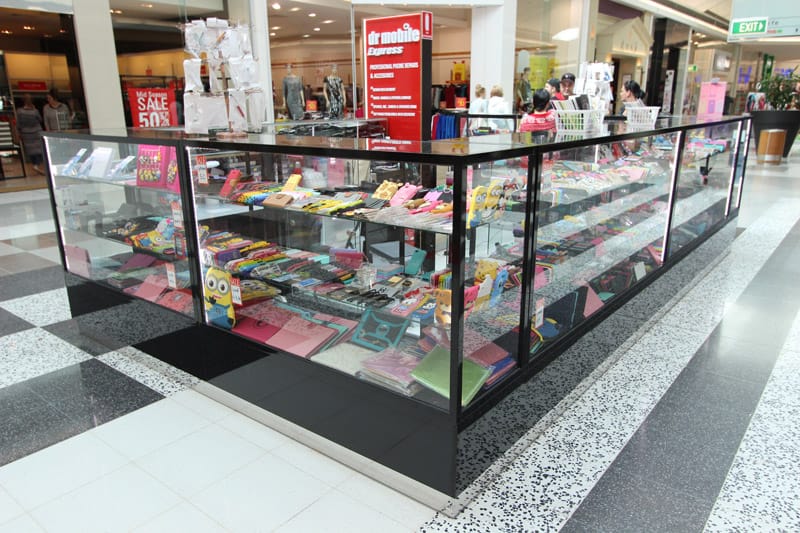
Tag: product display security

  • Enhancing Retail Safety with Smart Product Display Security Solutions

    Enhancing Retail Safety with Smart Product Display Security Solutions

    In today’s competitive retail landscape, ensuring the safety of high-value merchandise is more critical than ever. With rising concerns around theft and shrinkage, businesses are turning to product display security systems to protect their assets while maintaining an engaging customer experience. At Se-Kure.com, we specialize in developing customized display security solutions that help retailers secure products without compromising accessibility or aesthetics.

    What Is Product Display Security?

    Product display security refers to the tools and systems used to protect merchandise that is on display in retail environments. These solutions are designed to deter theft and unauthorized handling while still allowing customers to interact with the products. Common examples include tethered alarms, recoilers, electronic locks, display hooks, and motion sensors.

    Why Display Security Is Crucial for Retailers

    • Loss Prevention: The primary benefit of product display security is the reduction in theft. Electronic security systems and physical restraints significantly deter opportunistic shoplifters.Customer Interaction: Unlike locked cabinets, well-designed security displays allow customers to engage with the product—feel its weight, assess its quality, and visualize its utility—without putting the item at risk.
    • Increased Sales Confidence: When customers feel secure shopping in your store, and you have a system that balances access and security, you’re more likely to convert interest into sales.
    • Brand Protection: Stolen goods often end up in unauthorized markets, which can harm brand reputation. Securing displays helps retailers maintain control over their product distribution.

    Se-Kure’s Display Security Solutions

    At Se-Kure Controls, we offer an extensive range of customizable product display security systems to meet the unique needs of various retail environments. Whether you’re securing smartphones, tablets, cosmetics, tools, or high-end electronics, our solutions are built with precision and reliability in mind. Key offerings include:

    • Tethered Recoilers and Retractors: Perfect for electronics and handheld items, these allow product interaction without risking theft.
    • Electronic Alarms and Locks: Motion-sensing and tamper-proof designs alert staff to suspicious activity in real-time.
    • Custom Display Fixtures: Tailored to your store’s layout and branding needs while offering built-in protection.

    Industries We Serve

    Se-Kure.com proudly supports retailers across multiple industries:

    • Consumer Electronics
    • Pharmacies
    • Apparel and Footwear
    • DIY & Hardware Stores
    • Grocery and Supermarkets

    Choosing the Right Display Security

    The right product display security solution depends on the type of merchandise, store layout, and desired level of customer interaction. At Se-Kure, our experts collaborate with you to assess your needs and implement the most effective solution—whether that’s a simple peg hook lock or an integrated security system with smart sensors.

  • Retail Theft Prevention Strategies: Maximizing Security with Theft Prevention Systems and Devices

    Retail Theft Prevention Strategies: Maximizing Security with Theft Prevention Systems and Devices

    Retail theft is a significant challenge for businesses, costing the industry billions annually in lost revenue. Whether it’s shoplifting, employee theft, or organized retail crime, the impact extends beyond financial losses to include diminished customer trust and compromised store operations. To combat these risks, retailers must adopt proactive measures, including theft prevention systems and advanced security devices.

    In this article, we’ll explore the most effective retail theft prevention strategies, highlight essential technologies, and provide actionable insights to help safeguard your business, protect your inventory, and create a secure shopping environment for employees and customers alike.

    Understanding Retail Theft

    Retail theft is one of the most pressing challenges faced by businesses today, with its effects rippling across industries of all sizes. This form of theft encompasses a variety of activities, including shoplifting, employee theft, fraud, and organized retail crime (ORC). To effectively combat these issues, it’s crucial to understand the different types of retail theft, their causes, and their broader implications.

    Types of Retail Theft

    1. Shoplifting

    Shoplifting is the most common form of retail theft, involving customers who deliberately conceal or remove items without paying. Common tactics include switching price tags, hiding items in bags, or walking out with unpaid merchandise.

    2. Employee Theft

    Internal theft by employees accounts for a significant portion of retail losses. This can include stealing cash from registers, misusing discounts, or taking merchandise without authorization.

    3. Fraudulent Activities

    Fraud involves deceptive practices such as returning stolen goods for refunds, using counterfeit currency, or committing payment fraud through stolen credit cards.

    4. Organized Retail Crime (ORC)

    ORC involves coordinated efforts by professional thieves or criminal groups targeting high-value items. These individuals often resell stolen goods through online marketplaces or underground networks.

    The Impact of Retail Theft

    1. Financial Losses

    Retail theft leads to billions in annual losses, directly affecting profit margins and the ability to invest in business growth.

    2. Increased Costs for Consumers

    To offset theft-related losses, businesses may increase prices, passing the financial burden to customers.

    3. Operational Challenges

    Theft disrupts inventory management, leading to stock discrepancies, dissatisfied customers, and increased workload for staff.

    4. Erosion of Trust

    Employee theft damages workplace morale and trust, while frequent incidents of shoplifting may deter loyal customers from returning.

    Understanding the Root Causes

    1. Lack of Security Measures

    Insufficient theft prevention systems, such as the absence of surveillance cameras or alarm systems, create opportunities for theft.

    2. Store Layout and Blind Spots

    Poorly designed store layouts with hidden areas make it easier for thieves to act unnoticed.

    3. Economic Pressures

    Economic downturns and financial stress can lead individuals to resort to theft, either out of necessity or desperation.

    4. Technological Vulnerabilities

    Advances in technology can sometimes work against retailers, with fraudsters exploiting gaps in digital payment systems or security software.

    The Importance of Retail Theft Prevention

    Retail theft is a widespread issue that poses a significant challenge to businesses, costing the industry billions of dollars annually. From shoplifting to employee theft, these crimes not only impact a company’s bottom line but also have far-reaching consequences that affect staff morale, customer trust, and the overall reputation of the business. Addressing retail theft isn’t just about reducing losses—it’s about safeguarding the integrity and longevity of your operation.

    The High Cost of Retail Theft

    • Financial Losses

    Retail theft directly reduces profits, straining resources that could otherwise be used for business growth, employee incentives, or customer rewards programs. Persistent losses can even jeopardize the financial health of smaller businesses.

    • Impact on Staff Morale

    Employee theft undermines workplace trust, creating a tense atmosphere where suspicion may arise among team members. Furthermore, dealing with theft incidents can distract employees from their core responsibilities, leading to decreased productivity.

    • Customer Trust and Experience

    Frequent theft-related disruptions, such as alarms or staff interventions, can negatively impact the shopping experience. Customers may perceive a lack of security as negligence, eroding their trust in the business.

    • Reputational Damage

    News of theft, especially high-profile incidents, can harm a store’s reputation, making it appear vulnerable or poorly managed. This can deter customers from visiting and make the business a less attractive partner for suppliers.

  • Difference Between Display Security and Product Display Security

    Difference Between Display Security and Product Display Security

    In the world of retail, protecting valuable merchandise is crucial. Whether you own a small boutique or manage a large department store, ensuring the safety of your products is a top priority. However, understanding the different types of security measures available can be challenging. Two terms that often come up are display security and product display security. While they may sound similar, they serve distinct purposes. Let’s break down the differences to help you make informed decisions for your business.

    What is Display Security?

    Display security refers to the measures taken to protect the overall display area within a retail environment. This includes safeguarding the entire display setup, including shelving, signage, and the general layout that showcases products. The focus here is on preventing tampering, theft, or damage to the display as a whole.

    For example, display security might involve installing security mirrors, anti-theft domes, or surveillance cameras to monitor and secure the area where products are presented. These tools deter potential theft and ensure that the display remains intact, providing a safe and pleasant shopping experience.

    What is Product Display Security?

    On the other hand, product display security specifically targets the protection of the individual items being showcased. This involves securing high-value or easily stolen items directly on the display. Product display security solutions include electronic sensors, locks, tethers, and alarms that are attached to the products themselves. These measures make it difficult for thieves to remove the items from the display without being detected.

    For example, in electronics stores, you may have seen smartphones or tablets attached to the display with tethers that trigger an alarm if tampered with. This is product display security in action, ensuring that the product remains safe while allowing customers to interact with it.

    Key Differences

    1. Scope:
    • Display Security: Focuses on protecting the entire display setup, including all visual and structural elements.
    • Product Display Security: Concentrates on securing individual products within the display.
    2. Tools and Techniques:
    • Display Security: Involves broader security measures like surveillance, mirrors, and anti-theft domes.
    • Product Display Security: Utilizes specific tools such as electronic sensors, tethers, and locks attached directly to the merchandise.

    3. Purpose:
    • Display Security: Aims to maintain the integrity and safety of the display environment as a whole.
    • Product Display Security:

    Ensures the safety of individual items from theft or damage.

    Choosing the Right Security Solution

    Understanding these differences helps retailers choose the right security measures for their needs. If your priority is to protect the overall display, investing in robust display security solutions like those offered by Se-Kure can be beneficial. However, if securing individual high-value items is your main concern, product display security measures are essential.

    Conclusion

    Both display security and product display security play critical roles in the retail environment. By implementing the right combination of these measures, you can create a secure, customer-friendly shopping experience that protects your merchandise while enhancing its visibility. For tailored security solutions that meet your specific needs, visit Se-Kure and explore our wide range of products designed to safeguard your retail space effectively.