

Tag: shoplifting prevention

  • 7 Proven Ways to Prevent Shoplifting in Retail Stores

    7 Proven Ways to Prevent Shoplifting in Retail Stores

    Shoplifting has quietly become a growing concern for retailers—big and small. From small mom-and-pop shops to major retailers like Walmart, theft is cutting into profits, disrupting operations, and leaving store owners feeling frustrated and vulnerable. As Walmart shoplifting prevention continues to evolve with technology and tactics, it’s more important than ever for retail shopkeepers to stay one step ahead.

    But don’t worry—you don’t need a SWAT team or sci-fi tech to keep your shelves secure. Whether you’re running a boutique, convenience store, or electronics shop, these 7 proven shoplifting prevention methods are practical, cost-effective, and super easy to implement.

    Let’s dive in!

    1. Install a Smart Surveillance System

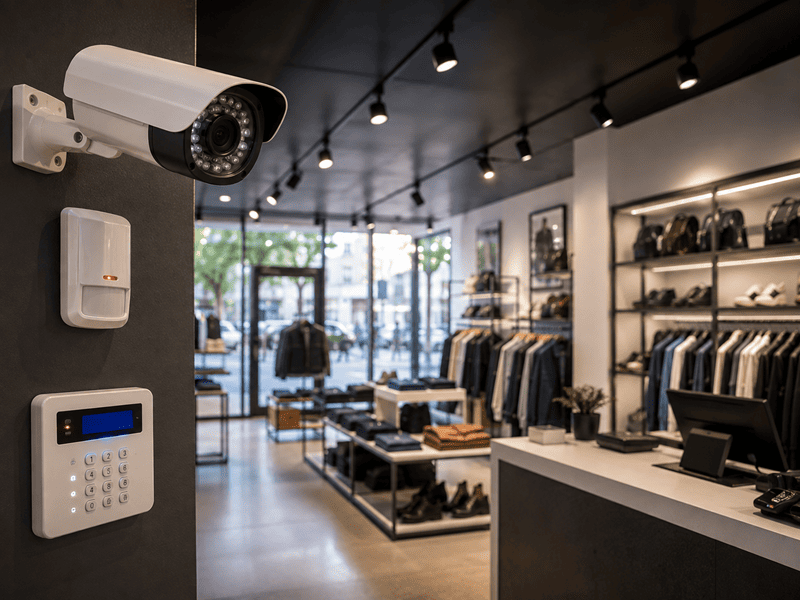
    There’s no denying it—cameras work. Installing visible, high-definition surveillance cameras around your store acts as a strong deterrent to potential thieves. Even just the sight of a camera can make a would-be shoplifter think twice.

    Real-world benefit: Saves time by reducing the need for manual monitoring and helps you catch incidents quickly if they do happen. Modern shoplifting prevention systems even let you review footage remotely—perfect for owners juggling multiple locations or working from home (hello, remote work tools).

    2. Optimize Store Layout for Visibility

    A cluttered or poorly lit store is a shoplifter’s playground. Reorganizing your layout so staff can easily see every aisle (especially corners and back rows) is a simple yet powerful tactic. Keep valuable or easily-pocketed items near checkout or in high-traffic areas.

    Real-world benefit: Prevents theft before it starts by giving customers fewer blind spots to exploit—and lets staff feel more in control of the space.

    3. Train Your Staff in Spotting Suspicious Behavior

    Your staff is your first line of defense. Train them to recognize typical shoplifting behavior like loitering, oversized bags, or customers constantly looking over their shoulders. Roleplay scenarios and make awareness part of their routine.

    Real-world benefit: Saves money and products by catching problems in real-time. Plus, it empowers employees with confidence—leading to a more secure and professional shopping environment.

    4. Use Electronic Article Surveillance (EAS) Tags

    You’ve seen those little plastic tags on clothes or electronics, right? They’re not just for show. EAS tags trigger an alarm if someone tries to exit without paying, which adds a serious risk for shoplifters.

    Real-world benefit: Acts as a physical and psychological barrier. They reduce shoplifting attempts without relying on constant supervision—especially effective for shoplifter prevention in high-theft categories.

    5. Implement a Bag Check or “No Large Bags” Policy

    Large purses, backpacks, or shopping bags make it super easy to swipe items undetected. A polite sign at the entrance or a posted policy about large bags can do wonders in setting the tone.

    Real-world benefit: Saves hassle during inventory checks by minimizing the chance of hidden merchandise leaving the store undetected. Simple but effective.

    6. Invest in Display Security Solutions from 

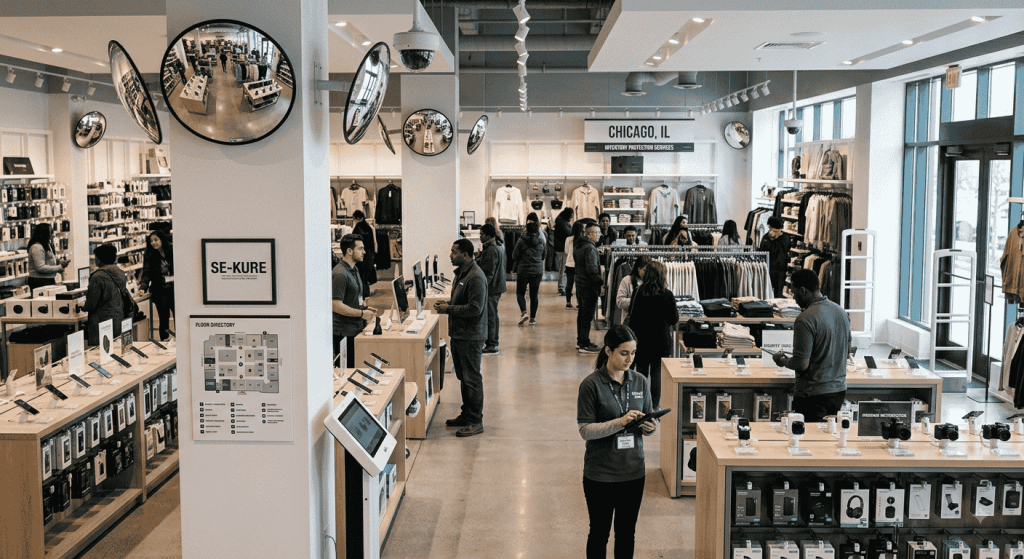
    If you’re selling phones, tablets, or high-ticket items, display security systems are a must. Se-Kure.com offers an innovative range of display security solutions that secure your products in place while still allowing customers to interact with them freely.

    Real-world benefit: Prevents walk-out theft while still letting customers “try before they buy.” These are shoplifting prevention systems trusted by big-box retailers—and you can have them too without breaking the bank.

    7. Build a Presence—Literally

    A warm, watchful presence goes a long way. Greet everyone who walks in. Make regular rounds of the store. A visible, active staff discourages shoplifters who are counting on inattention.

    Real-world benefit: Saves money, builds trust, and improves customer service all at once. Plus, you’re creating a friendly atmosphere that keeps honest shoppers coming back.

    Final Thoughts

    Shoplifting is no joke—but with the right tools and a proactive mindset, it’s something you can manage effectively. Whether it’s reworking your layout, training staff, or using display security from se-kure.com, every small action adds up. Retailers like Walmart have invested heavily in shoplifting prevention, but you don’t need a mega-budget to create a secure store environment.

    Remember, learning how to prevent shoplifting is not just about guarding your shelves—it’s about protecting your business, your team, and your peace of mind.

    👉 What’s your favorite method of shoplifter prevention? Got a tool or trick that works wonders? Drop it in the comments—we’d love to hear your go-to shoplifting prevention hacks!

    Read  How shoplifting security systems protect your business se kures proven anti shoplifting solutions

  • 10 Proven Tactics to Protect Your Store from Retail Theft

    10 Proven Tactics to Protect Your Store from Retail Theft

    Retail theft is a growing concern for businesses, leading to significant financial losses and operational disruptions. Implementing effective security measures is crucial to safeguarding your store, inventory, and bottom line. Here are 10 proven tactics to prevent shoplifting and theft in your retail space.

    1. Install Display Security Solutions

    Securing high-value merchandise with anti-theft display security solutions prevents theft while allowing customers to interact with products. At Se-Kure.com, we offer display security for mobile devices, tablets, and electronics, reducing shrinkage without compromising the shopping experience.

    2. Use Surveillance Cameras

    Strategically placed CCTV cameras act as a strong deterrent against shoplifters. Ensure your cameras cover high-risk areas, such as checkout counters, entrances, and aisles with expensive products.

    3. Implement Electronic Article Surveillance (EAS) Tags

    EAS tags and alarms help prevent theft by triggering an alert if an item is taken without proper deactivation. These are especially effective for apparel, electronics, and other high-theft merchandise.

    4. Train Employees on Theft Prevention

    Your staff is your first line of defense. Train employees to recognize suspicious behavior, such as frequent bag checks, loitering, or working in pairs to distract employees. A well-trained team can significantly reduce theft incidents.

    5. Maintain a Well-Lit Store Layout

    A well-lit and organized store makes it harder for shoplifters to hide stolen items. Keep shelves low and eliminate blind spots where potential thieves can conceal products.

    6. Use Lockable Display Cases for High-Value Items

    For high-ticket products like jewelry, designer accessories, and electronics, lockable display cases prevent grab-and-run theft while still allowing customers to view products.

    7. Deploy Store Security Personnel

    Having visible security guards discourages shoplifting. Trained personnel can monitor customer behavior, handle theft incidents, and provide a sense of safety to shoppers.

    8. Implement a No-Tolerance Policy for Theft

    Make it clear that shoplifting will be prosecuted. Posting visible warning signs about theft policies can discourage potential criminals.

    9. Leverage AI-Powered Theft Detection Technology

    Advanced AI surveillance systems can analyze suspicious behavior and send real-time alerts to staff. These solutions help identify theft before it happens.

    10. Monitor Transactions to Prevent Employee Theft

    Internal theft is just as harmful as shoplifting. Use POS (Point of Sale) monitoring systems to track unusual transaction patterns, such as unauthorized discounts, fake refunds, or missing cash.

    Secure Your Store with Se-Kure Controls

    Preventing retail theft requires a combination of technology, staff training, and proactive store management. At Se-Kure.com, we provide advanced theft prevention solutions to help retailers secure their stores. Explore our security products today and protect your business from loss!

  • Why Adopting Robust Theft Prevention Systems is Essential

    Why Adopting Robust Theft Prevention Systems is Essential

    Implementing effective theft prevention measures is a proactive approach to safeguarding your business. Here’s how it benefits your operation:

    1. Minimize Financial Losses

    By investing in advanced theft prevention systems—such as surveillance cameras, electronic article surveillance (EAS) tags, and inventory tracking tools—you reduce opportunities for theft and limit revenue losses. These systems act as both deterrents and detection mechanisms, ensuring that potential offenders think twice before acting.

    2. Deter Potential Offenders

    The presence of visible security measures, such as strategically placed cameras, RFID gates, and security personnel, sends a clear message that theft will not be tolerated. These deterrents can prevent shoplifting and internal theft before they occur, protecting your inventory and profits.

    3. Create a Safe and Secure Environment

    A secure store fosters confidence among employees and customers alike. Employees can focus on delivering excellent service without worrying about theft-related disruptions, while customers feel safer shopping in a well-protected environment.

    Long-Term Benefits of Retail Theft Prevention

    1. Improved Operational Efficiency

    With theft under control, businesses can allocate more resources to enhancing customer service, optimizing inventory management, and driving sales.

    2. Enhanced Employee Morale

    Knowing that the business prioritizes security can boost employee morale, as it demonstrates a commitment to protecting the workforce from potential threats or unfair losses.

    3. Stronger Brand Reputation

    A business that is known for its robust security measures and commitment to ethical practices fosters trust among customers, employees, and partners, enhancing its reputation in the marketplace.

    Proven Retail Theft Prevention Strategies

    Retail theft is a significant challenge, but by implementing effective strategies, businesses can reduce their vulnerability and protect valuable assets. Below are proven approaches to mitigate theft risks and maintain a secure environment.

    1. Employee Training and Awareness

    Your employees are your first line of defense against theft. Proper training equips them with the skills and confidence needed to deter and respond to theft effectively.

          •   Spotting Suspicious Behavior

    Train staff to recognize red flags, such as loitering, large bags or clothing that could conceal items, and individuals avoiding eye contact or frequently visiting high-value areas without making purchases.

    • Using Theft Prevention Tools
    Ensure employees understand how to use theft prevention devices, such as EAS systems or surveillance cameras, and are familiar with store policies regarding theft.
    Responding to Incidents

    Provide clear protocols for handling suspected theft, including notifying management or security rather than direct confrontation, which can escalate situations.

    2. Optimize Store Layout

    An efficient and thoughtfully designed store layout is a powerful theft deterrent.

    • Open and Organized Aisles

    Design aisles to be well-lit, uncluttered, and easy to monitor. Clear sightlines enable staff and security cameras to observe all areas of the store.

    •  Strategic Product Placement

    Place high-value or easily concealable items, such as electronics or jewelry, in secure displays or near checkout counters where staff can keep an eye on them.

    • Mirrors in Blind Spots
    Use convex mirrors to cover areas that are difficult to monitor, such as corners and low-visibility zones, reducing opportunities for concealment.

    3. Implement Access Control Measures

    Restricting access to certain areas within the store minimizes the risk of internal theft and unauthorized entry.

    • Securing Stockrooms and Offices

    Use security badges,keycards, or biometric systems to control who can access sensitive areas.

    • Tracking Employee Access
    Monitor access logs to identify unusual activity, such as frequent visits to stockrooms during non-restocking hours.

    4. Leverage Surveillance Systems

    High-quality surveillance systems are an essential component of any retail theft prevention strategy.

    •  Real-Time Monitoring

    Install CCTV cameras throughout the store, focusing on high-traffic areas, entrances, exits, and high-value merchandise sections.

    • Deterrence Through Visibility
    Place cameras in visible locations to discourage potential thieves while ensuring additional hidden cameras cover blind spots.
    Remote Access

    Modern surveillance systems often allow remote access, enabling managers to monitor activity even when offsite.

    5. Use Advanced Theft Prevention Devices

     Technology plays a crucial role in preventing retail theft.

    •  Electronic Article Surveillance (EAS) Tags 
    Attach EAS tags to merchandise to trigger alarms if items are taken past exit gates without being  deactivated at checkout.
    •  Radio Frequency Identification (RFID) Systems
    Use RFID tags for real-time inventory tracking and to detect unauthorized item movements.
    • Anti-Theft Alarms

    Equip high-value items with alarms that activate if tampered with, adding an extra layer of protection.

    Why These Strategies Work

    Combining employee training, strategic store design, access control, surveillance, and advanced theft prevention devices creates a robust, multilayered defense against theft. These strategies not only reduce the risk of loss but also enhance customer and employee confidence by demonstrating a commitment to safety and security.

    Investing in proven retail theft prevention measures is a smart move for businesses looking to safeguard their assets and maintain profitability in a competitive marketplace.

    Top Theft Prevention Devices for Retail

    1. Electronic Article Surveillance (EAS) Tags
    EAS systems consist of security tags attached to merchandise. If a tag passes through the exit without being deactivated, alarms sound, alerting staff to potential theft.

    2. RFID Technology

    Radio-frequency identification (RFID) tags provide inventory tracking and theft prevention by emitting signals that can be detected at store exits.

    3. Anti-Theft Alarms and Gates
    Install gates or sensors at entrances and exits to detect stolen goods. These systems often integrate with EAS and RFID technologies for comprehensive protection.

    4. Lockable Display Cases
    For high-value items like electronics or jewelry, use lockable display cases with restricted access. This deters theft while still allowing customers to view products.

    5. Security Mirrors
    Simple yet effective, mirrors placed strategically around the store reduce blind spots and make shoplifting more difficult.

    6. Product Hooks and Cables
    Secure items like electronics, tools, or apparel with lockable hooks, cables, or tethered devices that prevent removal without assistance.

    For more information visit – www.se-kure.com

  • Retail Theft Prevention Strategies: Maximizing Security with Theft Prevention Systems and Devices

    Retail Theft Prevention Strategies: Maximizing Security with Theft Prevention Systems and Devices

    Retail theft is a significant challenge for businesses, costing the industry billions annually in lost revenue. Whether it’s shoplifting, employee theft, or organized retail crime, the impact extends beyond financial losses to include diminished customer trust and compromised store operations. To combat these risks, retailers must adopt proactive measures, including theft prevention systems and advanced security devices.

    In this article, we’ll explore the most effective retail theft prevention strategies, highlight essential technologies, and provide actionable insights to help safeguard your business, protect your inventory, and create a secure shopping environment for employees and customers alike.

    Understanding Retail Theft

    Retail theft is one of the most pressing challenges faced by businesses today, with its effects rippling across industries of all sizes. This form of theft encompasses a variety of activities, including shoplifting, employee theft, fraud, and organized retail crime (ORC). To effectively combat these issues, it’s crucial to understand the different types of retail theft, their causes, and their broader implications.

    Types of Retail Theft

    1. Shoplifting

    Shoplifting is the most common form of retail theft, involving customers who deliberately conceal or remove items without paying. Common tactics include switching price tags, hiding items in bags, or walking out with unpaid merchandise.

    2. Employee Theft

    Internal theft by employees accounts for a significant portion of retail losses. This can include stealing cash from registers, misusing discounts, or taking merchandise without authorization.

    3. Fraudulent Activities

    Fraud involves deceptive practices such as returning stolen goods for refunds, using counterfeit currency, or committing payment fraud through stolen credit cards.

    4. Organized Retail Crime (ORC)

    ORC involves coordinated efforts by professional thieves or criminal groups targeting high-value items. These individuals often resell stolen goods through online marketplaces or underground networks.

    The Impact of Retail Theft

    1. Financial Losses

    Retail theft leads to billions in annual losses, directly affecting profit margins and the ability to invest in business growth.

    2. Increased Costs for Consumers

    To offset theft-related losses, businesses may increase prices, passing the financial burden to customers.

    3. Operational Challenges

    Theft disrupts inventory management, leading to stock discrepancies, dissatisfied customers, and increased workload for staff.

    4. Erosion of Trust

    Employee theft damages workplace morale and trust, while frequent incidents of shoplifting may deter loyal customers from returning.

    Understanding the Root Causes

    1. Lack of Security Measures

    Insufficient theft prevention systems, such as the absence of surveillance cameras or alarm systems, create opportunities for theft.

    2. Store Layout and Blind Spots

    Poorly designed store layouts with hidden areas make it easier for thieves to act unnoticed.

    3. Economic Pressures

    Economic downturns and financial stress can lead individuals to resort to theft, either out of necessity or desperation.

    4. Technological Vulnerabilities

    Advances in technology can sometimes work against retailers, with fraudsters exploiting gaps in digital payment systems or security software.

    The Importance of Retail Theft Prevention

    Retail theft is a widespread issue that poses a significant challenge to businesses, costing the industry billions of dollars annually. From shoplifting to employee theft, these crimes not only impact a company’s bottom line but also have far-reaching consequences that affect staff morale, customer trust, and the overall reputation of the business. Addressing retail theft isn’t just about reducing losses—it’s about safeguarding the integrity and longevity of your operation.

    The High Cost of Retail Theft

    • Financial Losses

    Retail theft directly reduces profits, straining resources that could otherwise be used for business growth, employee incentives, or customer rewards programs. Persistent losses can even jeopardize the financial health of smaller businesses.

    • Impact on Staff Morale

    Employee theft undermines workplace trust, creating a tense atmosphere where suspicion may arise among team members. Furthermore, dealing with theft incidents can distract employees from their core responsibilities, leading to decreased productivity.

    • Customer Trust and Experience

    Frequent theft-related disruptions, such as alarms or staff interventions, can negatively impact the shopping experience. Customers may perceive a lack of security as negligence, eroding their trust in the business.

    • Reputational Damage

    News of theft, especially high-profile incidents, can harm a store’s reputation, making it appear vulnerable or poorly managed. This can deter customers from visiting and make the business a less attractive partner for suppliers.