


Tag: store security

  • 10 Proven Tactics to Protect Your Store from Retail Theft

    10 Proven Tactics to Protect Your Store from Retail Theft

    Retail theft is a growing concern for businesses, leading to significant financial losses and operational disruptions. Implementing effective security measures is crucial to safeguarding your store, inventory, and bottom line. Here are 10 proven tactics to prevent shoplifting and theft in your retail space.

    1. Install Display Security Solutions

    Securing high-value merchandise with anti-theft display security solutions prevents theft while allowing customers to interact with products. At Se-Kure.com, we offer display security for mobile devices, tablets, and electronics, reducing shrinkage without compromising the shopping experience.

    2. Use Surveillance Cameras

    Strategically placed CCTV cameras act as a strong deterrent against shoplifters. Ensure your cameras cover high-risk areas, such as checkout counters, entrances, and aisles with expensive products.

    3. Implement Electronic Article Surveillance (EAS) Tags

    EAS tags and alarms help prevent theft by triggering an alert if an item is taken without proper deactivation. These are especially effective for apparel, electronics, and other high-theft merchandise.

    4. Train Employees on Theft Prevention

    Your staff is your first line of defense. Train employees to recognize suspicious behavior, such as frequent bag checks, loitering, or working in pairs to distract employees. A well-trained team can significantly reduce theft incidents.

    5. Maintain a Well-Lit Store Layout

    A well-lit and organized store makes it harder for shoplifters to hide stolen items. Keep shelves low and eliminate blind spots where potential thieves can conceal products.

    6. Use Lockable Display Cases for High-Value Items

    For high-ticket products like jewelry, designer accessories, and electronics, lockable display cases prevent grab-and-run theft while still allowing customers to view products.

    7. Deploy Store Security Personnel

    Having visible security guards discourages shoplifting. Trained personnel can monitor customer behavior, handle theft incidents, and provide a sense of safety to shoppers.

    8. Implement a No-Tolerance Policy for Theft

    Make it clear that shoplifting will be prosecuted. Posting visible warning signs about theft policies can discourage potential criminals.

    9. Leverage AI-Powered Theft Detection Technology

    Advanced AI surveillance systems can analyze suspicious behavior and send real-time alerts to staff. These solutions help identify theft before it happens.

    10. Monitor Transactions to Prevent Employee Theft

    Internal theft is just as harmful as shoplifting. Use POS (Point of Sale) monitoring systems to track unusual transaction patterns, such as unauthorized discounts, fake refunds, or missing cash.

    Secure Your Store with Se-Kure Controls

    Preventing retail theft requires a combination of technology, staff training, and proactive store management. At Se-Kure.com, we provide advanced theft prevention solutions to help retailers secure their stores. Explore our security products today and protect your business from loss!

  • Why Adopting Robust Theft Prevention Systems is Essential
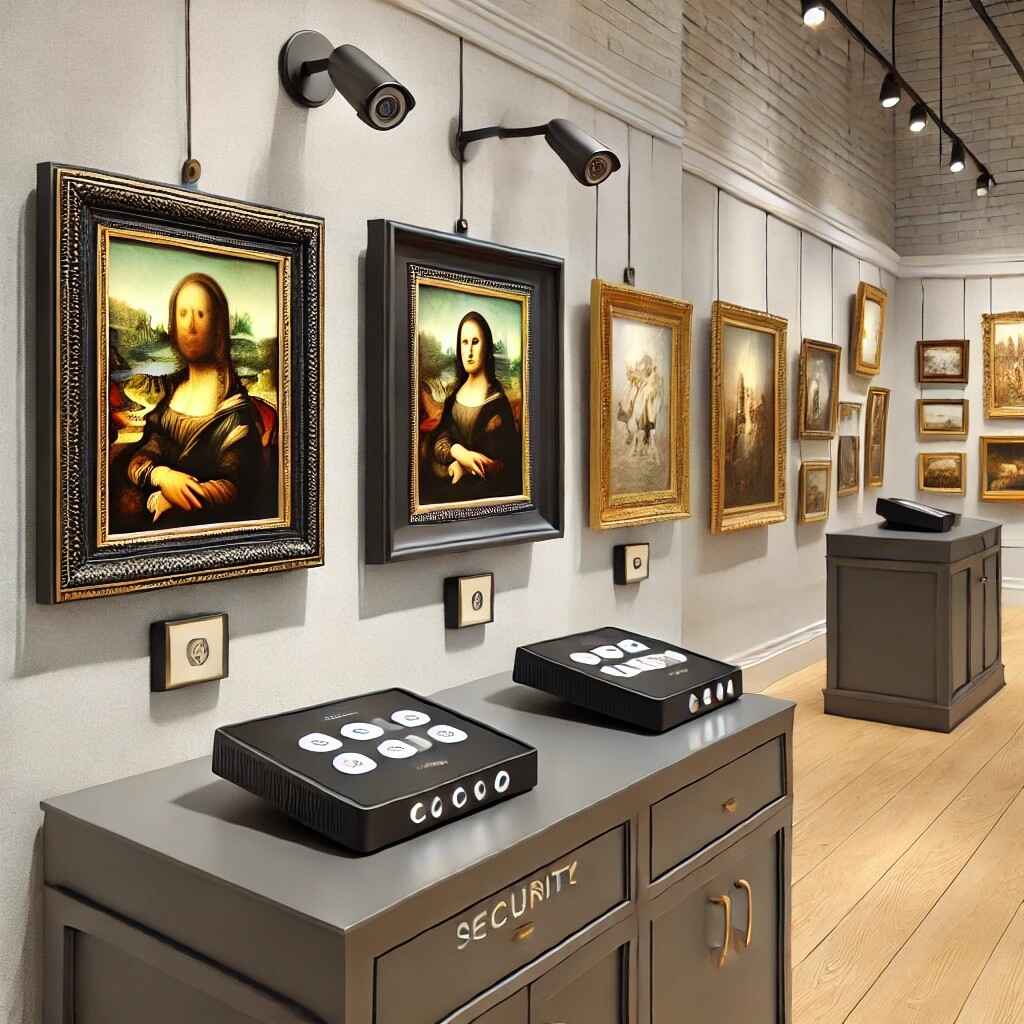
    Why Adopting Robust Theft Prevention Systems is Essential

    Implementing effective theft prevention measures is a proactive approach to safeguarding your business. Here’s how it benefits your operation:

    1. Minimize Financial Losses

    By investing in advanced theft prevention systems—such as surveillance cameras, electronic article surveillance (EAS) tags, and inventory tracking tools—you reduce opportunities for theft and limit revenue losses. These systems act as both deterrents and detection mechanisms, ensuring that potential offenders think twice before acting.

    2. Deter Potential Offenders

    The presence of visible security measures, such as strategically placed cameras, RFID gates, and security personnel, sends a clear message that theft will not be tolerated. These deterrents can prevent shoplifting and internal theft before they occur, protecting your inventory and profits.

    3. Create a Safe and Secure Environment

    A secure store fosters confidence among employees and customers alike. Employees can focus on delivering excellent service without worrying about theft-related disruptions, while customers feel safer shopping in a well-protected environment.

    Long-Term Benefits of Retail Theft Prevention

    1. Improved Operational Efficiency

    With theft under control, businesses can allocate more resources to enhancing customer service, optimizing inventory management, and driving sales.

    2. Enhanced Employee Morale

    Knowing that the business prioritizes security can boost employee morale, as it demonstrates a commitment to protecting the workforce from potential threats or unfair losses.

    3. Stronger Brand Reputation

    A business that is known for its robust security measures and commitment to ethical practices fosters trust among customers, employees, and partners, enhancing its reputation in the marketplace.

    Proven Retail Theft Prevention Strategies

    Retail theft is a significant challenge, but by implementing effective strategies, businesses can reduce their vulnerability and protect valuable assets. Below are proven approaches to mitigate theft risks and maintain a secure environment.

    1. Employee Training and Awareness

    Your employees are your first line of defense against theft. Proper training equips them with the skills and confidence needed to deter and respond to theft effectively.

          •   Spotting Suspicious Behavior

    Train staff to recognize red flags, such as loitering, large bags or clothing that could conceal items, and individuals avoiding eye contact or frequently visiting high-value areas without making purchases.

    • Using Theft Prevention Tools
    Ensure employees understand how to use theft prevention devices, such as EAS systems or surveillance cameras, and are familiar with store policies regarding theft.
    Responding to Incidents

    Provide clear protocols for handling suspected theft, including notifying management or security rather than direct confrontation, which can escalate situations.

    2. Optimize Store Layout

    An efficient and thoughtfully designed store layout is a powerful theft deterrent.

    • Open and Organized Aisles

    Design aisles to be well-lit, uncluttered, and easy to monitor. Clear sightlines enable staff and security cameras to observe all areas of the store.

    •  Strategic Product Placement

    Place high-value or easily concealable items, such as electronics or jewelry, in secure displays or near checkout counters where staff can keep an eye on them.

    • Mirrors in Blind Spots
    Use convex mirrors to cover areas that are difficult to monitor, such as corners and low-visibility zones, reducing opportunities for concealment.

    3. Implement Access Control Measures

    Restricting access to certain areas within the store minimizes the risk of internal theft and unauthorized entry.

    • Securing Stockrooms and Offices

    Use security badges,keycards, or biometric systems to control who can access sensitive areas.

    • Tracking Employee Access
    Monitor access logs to identify unusual activity, such as frequent visits to stockrooms during non-restocking hours.

    4. Leverage Surveillance Systems

    High-quality surveillance systems are an essential component of any retail theft prevention strategy.

    •  Real-Time Monitoring

    Install CCTV cameras throughout the store, focusing on high-traffic areas, entrances, exits, and high-value merchandise sections.

    • Deterrence Through Visibility
    Place cameras in visible locations to discourage potential thieves while ensuring additional hidden cameras cover blind spots.
    Remote Access

    Modern surveillance systems often allow remote access, enabling managers to monitor activity even when offsite.

    5. Use Advanced Theft Prevention Devices

     Technology plays a crucial role in preventing retail theft.

    •  Electronic Article Surveillance (EAS) Tags 
    Attach EAS tags to merchandise to trigger alarms if items are taken past exit gates without being  deactivated at checkout.
    •  Radio Frequency Identification (RFID) Systems
    Use RFID tags for real-time inventory tracking and to detect unauthorized item movements.
    • Anti-Theft Alarms

    Equip high-value items with alarms that activate if tampered with, adding an extra layer of protection.

    Why These Strategies Work

    Combining employee training, strategic store design, access control, surveillance, and advanced theft prevention devices creates a robust, multilayered defense against theft. These strategies not only reduce the risk of loss but also enhance customer and employee confidence by demonstrating a commitment to safety and security.

    Investing in proven retail theft prevention measures is a smart move for businesses looking to safeguard their assets and maintain profitability in a competitive marketplace.

    Top Theft Prevention Devices for Retail

    1. Electronic Article Surveillance (EAS) Tags
    EAS systems consist of security tags attached to merchandise. If a tag passes through the exit without being deactivated, alarms sound, alerting staff to potential theft.

    2. RFID Technology

    Radio-frequency identification (RFID) tags provide inventory tracking and theft prevention by emitting signals that can be detected at store exits.

    3. Anti-Theft Alarms and Gates
    Install gates or sensors at entrances and exits to detect stolen goods. These systems often integrate with EAS and RFID technologies for comprehensive protection.

    4. Lockable Display Cases
    For high-value items like electronics or jewelry, use lockable display cases with restricted access. This deters theft while still allowing customers to view products.

    5. Security Mirrors
    Simple yet effective, mirrors placed strategically around the store reduce blind spots and make shoplifting more difficult.

    6. Product Hooks and Cables
    Secure items like electronics, tools, or apparel with lockable hooks, cables, or tethered devices that prevent removal without assistance.

    For more information visit – www.se-kure.com

  • Boosting Store Security Using Advanced Security Technologies
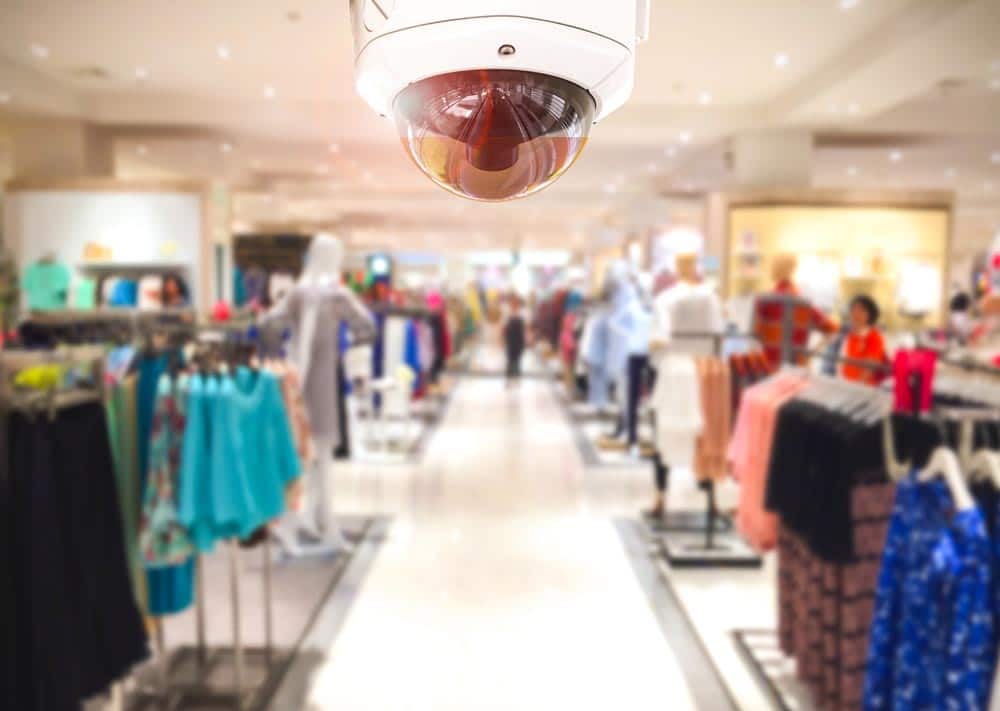
    Boosting Store Security Using Advanced Security Technologies

    In today’s retail environment, store security is more critical than ever. With increasing threats ranging from shoplifting to organized retail crime, retailers must invest in advanced security technologies to protect their assets, customers, and employees. This blog explores how leveraging cutting-edge security systems can enhance store security and maintenance, improve retail management, and create a safer shopping experience.

    The Importance of Store Security in Retail Management

    Effective store security is a cornerstone of successful retail management. It not only prevents theft and reduces losses but also fosters a secure environment for customers and staff. A well-maintained store security system helps retailers monitor activity, manage risks, and respond quickly to potential threats. By integrating advanced technologies, retailers can significantly enhance their store security measures.

    Key Advanced Security Technologies for Retail

    1. Smart Surveillance Systems:

    Traditional CCTV systems are being replaced by smart surveillance technologies equipped with AI and machine learning. These systems offer features like facial recognition, behavior analysis, and real-time alerts, allowing retailers to detect suspicious activities before they escalate. Smart surveillance is a vital component of any store security system, providing constant monitoring and actionable insights.

    2. Electronic Article Surveillance (EAS) with Enhanced Capabilities:

    EAS remains a cornerstone of retail store security, but modern systems now include advanced features like tamper detection and integrated data analytics. These enhancements allow for better tracking of store inventory and more effective prevention of shoplifting. Integrating EAS with other security technologies further strengthens store security and maintenance efforts.

    3. RFID-Based Inventory Management:

    Radio Frequency Identification (RFID) is revolutionizing inventory management and store security. RFID tags provide real-time data on inventory movement, helping retailers track stock levels accurately and detect any unauthorized removal of items. By integrating RFID with a store security system, retailers can monitor inventory both on the sales floor and in storage areas, reducing the risk of theft and improving overall operational efficiency.

    4.Access Control Systems with Multi-Factor Authentication:

    Securing access to sensitive areas of the store, such as stockrooms and cash offices, is crucial for preventing internal theft. Advanced access control systems now offer multi-factor authentication, including biometrics, PINs, and smart cards, ensuring that only authorized personnel can enter restricted areas. This level of security is essential for maintaining a secure store environment and managing risks associated with internal theft.

    5. Integrated Security Platforms:

    Modern retail security relies on integrating various technologies into a single, cohesive platform. Integrated security platforms allow retailers to manage surveillance, access control, EAS, and RFID systems from one central interface. This not only simplifies store security management but also provides a comprehensive view of store operations, enabling faster and more effective responses to security incidents.

    Enhancing Store Security and Maintenance

    Implementing advanced security technologies is only part of the equation. Regular maintenance and updates are essential to ensure that your store security system remains effective. This includes routine inspections, software updates, and staff training on the latest security protocols. By prioritizing store security and maintenance, retailers can prevent potential vulnerabilities and maintain a high level of protection.

    Conclusion

    Investing in advanced security technologies is a strategic move for any retailer looking to boost store security and improve retail management. From smart surveillance and EAS to RFID and access control systems, these technologies provide robust protection against a wide range of threats. By integrating these tools into a comprehensive store security system and ensuring regular maintenance, retailers can create a secure environment that benefits both their bottom line and their customers. To explore the latest in security solutions, visit Se-Kure and discover how we can help safeguard your store.

  • How to Prevent Retail Losses with Advanced Security Measures
    How to Prevent Retail Losses with Advanced Security Measures

    In the competitive world of retail, loss prevention is a critical concern for businesses of all sizes. Whether it’s shoplifting, employee theft, or inventory shrinkage, the impact on a retailer’s bottom line can be significant. Fortunately, advancements in security technology offer innovative solutions to combat these challenges. In this blog, we’ll explore how to prevent retail losses with advanced security measures, focusing on essential strategies and tools.

    Understanding the Scope of Loss Prevention

    Loss prevention encompasses a range of strategies designed to reduce theft, fraud, and errors that lead to inventory shrinkage. Retailers often face two primary threats: external theft (shoplifting) and internal theft (employee dishonesty). Effective loss prevention requires a combination of proactive measures, cutting-edge technology, and a well-trained staff.

    The Role of Advanced Security Measures

    To stay ahead of theft and fraud, retailers must invest in advanced security solutions. Here are some key security measures that can significantly enhance loss prevention efforts:

    1. Surveillance Systems:

    Modern surveillance systems are more than just cameras. With high-definition video, remote access, and AI-driven analytics, today’s systems can detect suspicious behavior, monitor blind spots, and provide valuable insights into customer patterns. Integrating these systems with loss prevention services creates a comprehensive security network that deters both shoplifters and dishonest employees.

    2. Electronic Article Surveillance (EAS):

    EAS is a staple in retail loss prevention security. It involves tagging merchandise with electronic sensors that trigger an alarm if someone attempts to leave the store without deactivating the tag. EAS is particularly effective in high-traffic areas, helping to reduce shoplifting incidents.

    3. RFID Technology:

    Radio Frequency Identification (RFID) is revolutionizing inventory management and loss prevention. RFID tags allow retailers to track products in real-time, providing instant data on inventory levels and movement. This technology not only helps prevent theft but also improves overall inventory accuracy, reducing losses due to errors.

    4. Access Control Systems:

    Controlling who can access certain areas of your store is vital for preventing internal theft. Advanced access control systems, including biometric scanners and keycard access, ensure that only authorized personnel can enter sensitive areas, such as stockrooms or cash offices. This adds an extra layer of protection against internal loss.

    5. Analytics and Reporting Tools:

    Advanced security systems often include analytics and reporting features that provide insights into loss patterns. Retailers can identify high-risk areas, times of day, and even specific products that are more susceptible to theft. By analyzing this data, you can implement targeted loss prevention strategies and improve overall store security.

    Integrating Loss Prevention Services

    In addition to technology, partnering with professional loss prevention services can be a game-changer. These experts bring specialized knowledge and experience, offering tailored solutions that address your specific security needs. From developing comprehensive loss prevention policies to conducting regular audits and training staff, these services ensure your store remains secure.

    Conclusion

    Retail loss prevention is an ongoing challenge, but with the right advanced security measures in place, you can significantly reduce the risk of theft and fraud. By investing in cutting-edge technology like surveillance systems, EAS, RFID, and access control, and by leveraging expert loss prevention services, you can protect your assets and improve your bottom line. To explore state-of-the-art security solutions that meet your retail needs, visit Se-Kure today.

  • Difference Between Display Security and Product Display Security
    Difference Between Display Security and Product Display Security

    In the world of retail, protecting valuable merchandise is crucial. Whether you own a small boutique or manage a large department store, ensuring the safety of your products is a top priority. However, understanding the different types of security measures available can be challenging. Two terms that often come up are display security and product display security. While they may sound similar, they serve distinct purposes. Let’s break down the differences to help you make informed decisions for your business.

    What is Display Security?

    Display security refers to the measures taken to protect the overall display area within a retail environment. This includes safeguarding the entire display setup, including shelving, signage, and the general layout that showcases products. The focus here is on preventing tampering, theft, or damage to the display as a whole.

    For example, display security might involve installing security mirrors, anti-theft domes, or surveillance cameras to monitor and secure the area where products are presented. These tools deter potential theft and ensure that the display remains intact, providing a safe and pleasant shopping experience.

    What is Product Display Security?

    On the other hand, product display security specifically targets the protection of the individual items being showcased. This involves securing high-value or easily stolen items directly on the display. Product display security solutions include electronic sensors, locks, tethers, and alarms that are attached to the products themselves. These measures make it difficult for thieves to remove the items from the display without being detected.

    For example, in electronics stores, you may have seen smartphones or tablets attached to the display with tethers that trigger an alarm if tampered with. This is product display security in action, ensuring that the product remains safe while allowing customers to interact with it.

    Key Differences

    1. Scope:
    • Display Security: Focuses on protecting the entire display setup, including all visual and structural elements.
    • Product Display Security: Concentrates on securing individual products within the display.
    2. Tools and Techniques:
    • Display Security: Involves broader security measures like surveillance, mirrors, and anti-theft domes.
    • Product Display Security: Utilizes specific tools such as electronic sensors, tethers, and locks attached directly to the merchandise.

    3. Purpose:
    • Display Security: Aims to maintain the integrity and safety of the display environment as a whole.
    • Product Display Security:

    Ensures the safety of individual items from theft or damage.

    Choosing the Right Security Solution

    Understanding these differences helps retailers choose the right security measures for their needs. If your priority is to protect the overall display, investing in robust display security solutions like those offered by Se-Kure can be beneficial. However, if securing individual high-value items is your main concern, product display security measures are essential.

    Conclusion

    Both display security and product display security play critical roles in the retail environment. By implementing the right combination of these measures, you can create a secure, customer-friendly shopping experience that protects your merchandise while enhancing its visibility. For tailored security solutions that meet your specific needs, visit Se-Kure and explore our wide range of products designed to safeguard your retail space effectively.