

Tag: theft prevention systems

  • Retail Theft Prevention Strategies: Maximizing Security with Theft Prevention Systems and Devices

    Retail Theft Prevention Strategies: Maximizing Security with Theft Prevention Systems and Devices

    Retail theft is a significant challenge for businesses, costing the industry billions annually in lost revenue. Whether it’s shoplifting, employee theft, or organized retail crime, the impact extends beyond financial losses to include diminished customer trust and compromised store operations. To combat these risks, retailers must adopt proactive measures, including theft prevention systems and advanced security devices.

    In this article, we’ll explore the most effective retail theft prevention strategies, highlight essential technologies, and provide actionable insights to help safeguard your business, protect your inventory, and create a secure shopping environment for employees and customers alike.

    Understanding Retail Theft

    Retail theft is one of the most pressing challenges faced by businesses today, with its effects rippling across industries of all sizes. This form of theft encompasses a variety of activities, including shoplifting, employee theft, fraud, and organized retail crime (ORC). To effectively combat these issues, it’s crucial to understand the different types of retail theft, their causes, and their broader implications.

    Types of Retail Theft

    1. Shoplifting

    Shoplifting is the most common form of retail theft, involving customers who deliberately conceal or remove items without paying. Common tactics include switching price tags, hiding items in bags, or walking out with unpaid merchandise.

    2. Employee Theft

    Internal theft by employees accounts for a significant portion of retail losses. This can include stealing cash from registers, misusing discounts, or taking merchandise without authorization.

    3. Fraudulent Activities

    Fraud involves deceptive practices such as returning stolen goods for refunds, using counterfeit currency, or committing payment fraud through stolen credit cards.

    4. Organized Retail Crime (ORC)

    ORC involves coordinated efforts by professional thieves or criminal groups targeting high-value items. These individuals often resell stolen goods through online marketplaces or underground networks.

    The Impact of Retail Theft

    1. Financial Losses

    Retail theft leads to billions in annual losses, directly affecting profit margins and the ability to invest in business growth.

    2. Increased Costs for Consumers

    To offset theft-related losses, businesses may increase prices, passing the financial burden to customers.

    3. Operational Challenges

    Theft disrupts inventory management, leading to stock discrepancies, dissatisfied customers, and increased workload for staff.

    4. Erosion of Trust

    Employee theft damages workplace morale and trust, while frequent incidents of shoplifting may deter loyal customers from returning.

    Understanding the Root Causes

    1. Lack of Security Measures

    Insufficient theft prevention systems, such as the absence of surveillance cameras or alarm systems, create opportunities for theft.

    2. Store Layout and Blind Spots

    Poorly designed store layouts with hidden areas make it easier for thieves to act unnoticed.

    3. Economic Pressures

    Economic downturns and financial stress can lead individuals to resort to theft, either out of necessity or desperation.

    4. Technological Vulnerabilities

    Advances in technology can sometimes work against retailers, with fraudsters exploiting gaps in digital payment systems or security software.

    The Importance of Retail Theft Prevention

    Retail theft is a widespread issue that poses a significant challenge to businesses, costing the industry billions of dollars annually. From shoplifting to employee theft, these crimes not only impact a company’s bottom line but also have far-reaching consequences that affect staff morale, customer trust, and the overall reputation of the business. Addressing retail theft isn’t just about reducing losses—it’s about safeguarding the integrity and longevity of your operation.

    The High Cost of Retail Theft

    • Financial Losses

    Retail theft directly reduces profits, straining resources that could otherwise be used for business growth, employee incentives, or customer rewards programs. Persistent losses can even jeopardize the financial health of smaller businesses.

    • Impact on Staff Morale

    Employee theft undermines workplace trust, creating a tense atmosphere where suspicion may arise among team members. Furthermore, dealing with theft incidents can distract employees from their core responsibilities, leading to decreased productivity.

    • Customer Trust and Experience

    Frequent theft-related disruptions, such as alarms or staff interventions, can negatively impact the shopping experience. Customers may perceive a lack of security as negligence, eroding their trust in the business.

    • Reputational Damage

    News of theft, especially high-profile incidents, can harm a store’s reputation, making it appear vulnerable or poorly managed. This can deter customers from visiting and make the business a less attractive partner for suppliers.

  • How to Prevent Retail Losses with Advanced Security Measures

    How to Prevent Retail Losses with Advanced Security Measures

    In the competitive world of retail, loss prevention is a critical concern for businesses of all sizes. Whether it’s shoplifting, employee theft, or inventory shrinkage, the impact on a retailer’s bottom line can be significant. Fortunately, advancements in security technology offer innovative solutions to combat these challenges. In this blog, we’ll explore how to prevent retail losses with advanced security measures, focusing on essential strategies and tools.

    Understanding the Scope of Loss Prevention

    Loss prevention encompasses a range of strategies designed to reduce theft, fraud, and errors that lead to inventory shrinkage. Retailers often face two primary threats: external theft (shoplifting) and internal theft (employee dishonesty). Effective loss prevention requires a combination of proactive measures, cutting-edge technology, and a well-trained staff.

    The Role of Advanced Security Measures

    To stay ahead of theft and fraud, retailers must invest in advanced security solutions. Here are some key security measures that can significantly enhance loss prevention efforts:

    1. Surveillance Systems:

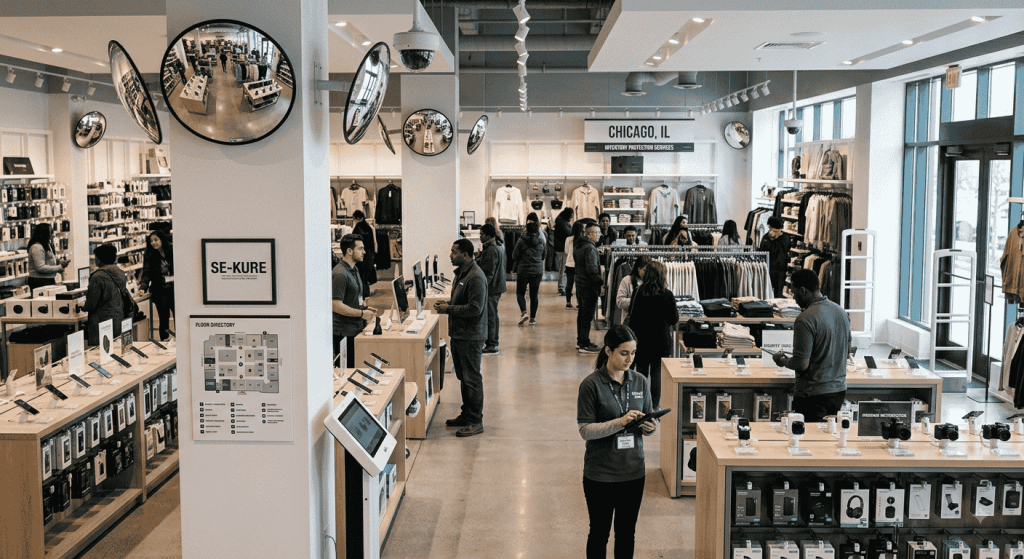
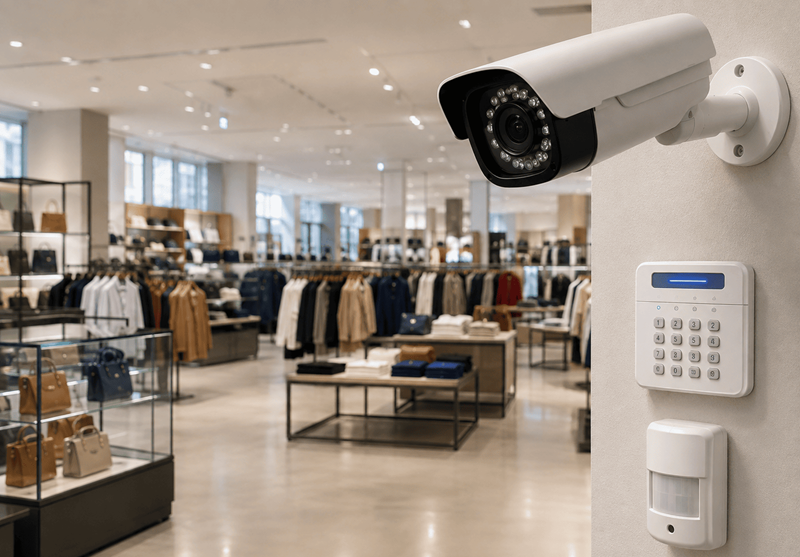
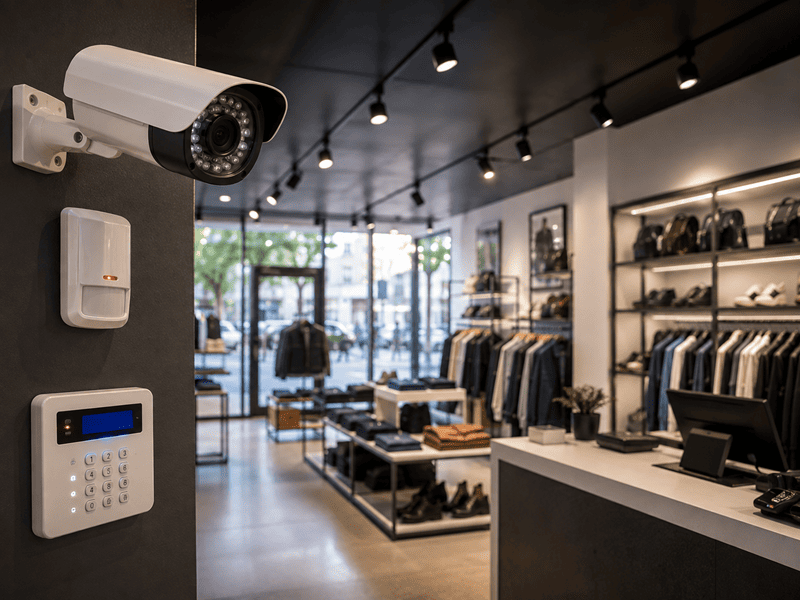
    Modern surveillance systems are more than just cameras. With high-definition video, remote access, and AI-driven analytics, today’s systems can detect suspicious behavior, monitor blind spots, and provide valuable insights into customer patterns. Integrating these systems with loss prevention services creates a comprehensive security network that deters both shoplifters and dishonest employees.

    2. Electronic Article Surveillance (EAS):

    EAS is a staple in retail loss prevention security. It involves tagging merchandise with electronic sensors that trigger an alarm if someone attempts to leave the store without deactivating the tag. EAS is particularly effective in high-traffic areas, helping to reduce shoplifting incidents.

    3. RFID Technology:

    Radio Frequency Identification (RFID) is revolutionizing inventory management and loss prevention. RFID tags allow retailers to track products in real-time, providing instant data on inventory levels and movement. This technology not only helps prevent theft but also improves overall inventory accuracy, reducing losses due to errors.

    4. Access Control Systems:

    Controlling who can access certain areas of your store is vital for preventing internal theft. Advanced access control systems, including biometric scanners and keycard access, ensure that only authorized personnel can enter sensitive areas, such as stockrooms or cash offices. This adds an extra layer of protection against internal loss.

    5. Analytics and Reporting Tools:

    Advanced security systems often include analytics and reporting features that provide insights into loss patterns. Retailers can identify high-risk areas, times of day, and even specific products that are more susceptible to theft. By analyzing this data, you can implement targeted loss prevention strategies and improve overall store security.

    Integrating Loss Prevention Services

    In addition to technology, partnering with professional loss prevention services can be a game-changer. These experts bring specialized knowledge and experience, offering tailored solutions that address your specific security needs. From developing comprehensive loss prevention policies to conducting regular audits and training staff, these services ensure your store remains secure.

    Conclusion

    Retail loss prevention is an ongoing challenge, but with the right advanced security measures in place, you can significantly reduce the risk of theft and fraud. By investing in cutting-edge technology like surveillance systems, EAS, RFID, and access control, and by leveraging expert loss prevention services, you can protect your assets and improve your bottom line. To explore state-of-the-art security solutions that meet your retail needs, visit Se-Kure today.