


Retail theft can affect inventory, profitability, customer experience, and overall store security. From small convenience stores to large retail outlets, businesses need practical ways to discourage shoplifting and protect valuable merchandise. Fortunately, modern Anti Theft Devices For Retail Stores can provide an effective layer of protection when combined with proper store design, employee awareness, and surveillance.
Choosing the right security equipment depends on your store layout, merchandise type, budget, and level of theft risk. In this guide, we will explore some of the most useful Anti Theft Devices For Retail Stores, how they work, and how businesses can use them to create a safer shopping environment.
Why Retail Stores Need Anti-Theft Protection
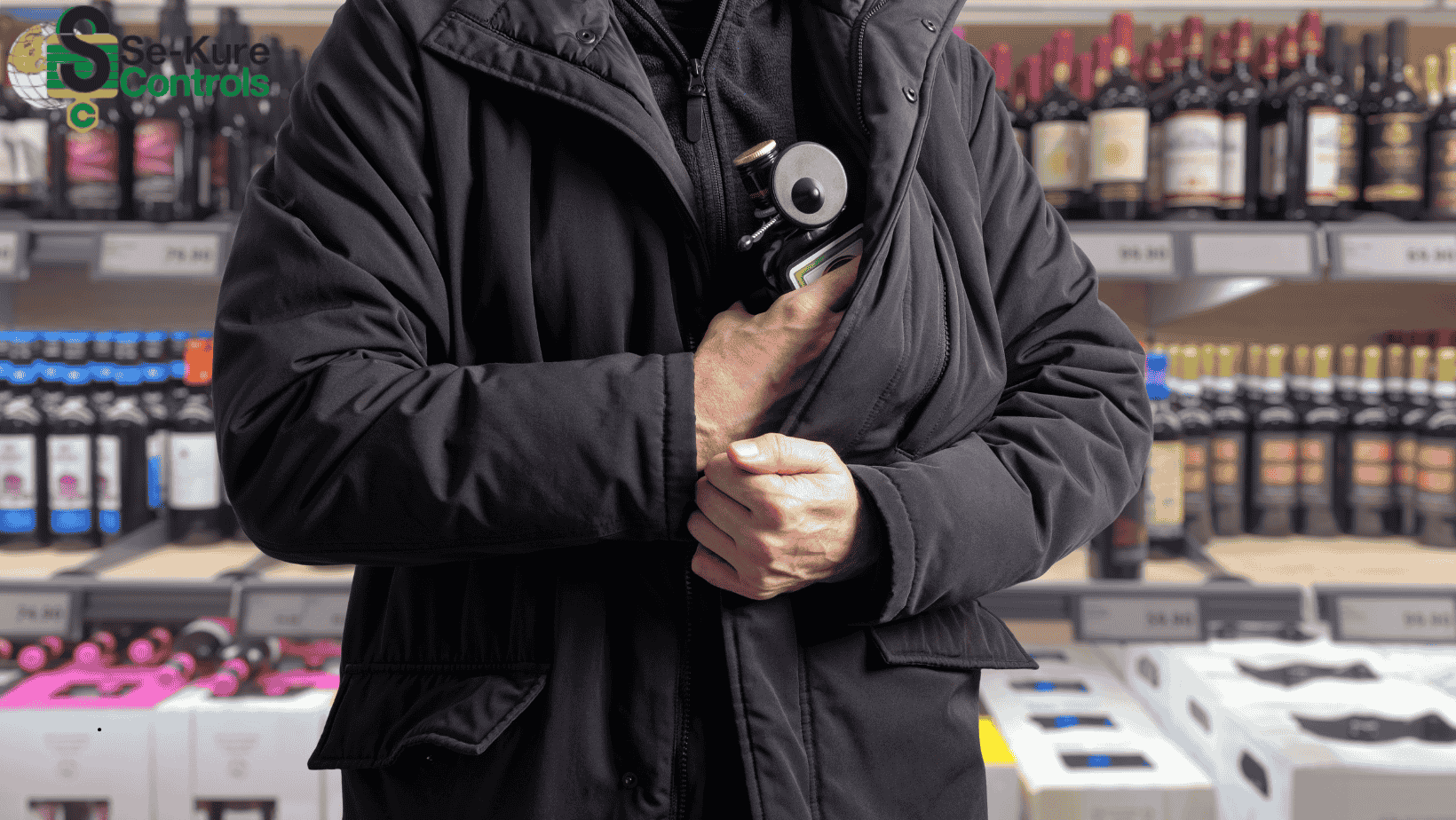
Shoplifting can happen in many different ways. Thieves may conceal merchandise, remove packaging, switch labels, or take advantage of areas with limited visibility. Even a few incidents can result in substantial losses over time.
The right Anti Theft Devices For Retail Stores help create visible security barriers and make unauthorized removal of merchandise more difficult. They can also act as a deterrent because customers can see that the store takes security seriously.
However, security equipment should not replace trained employees or good store management. A strong retail security strategy combines technology, staff awareness, inventory controls, and an organized store layout.
1. Electronic Article Surveillance Systems
Electronic Article Surveillance, commonly called EAS, is one of the most widely used solutions for retail stores.
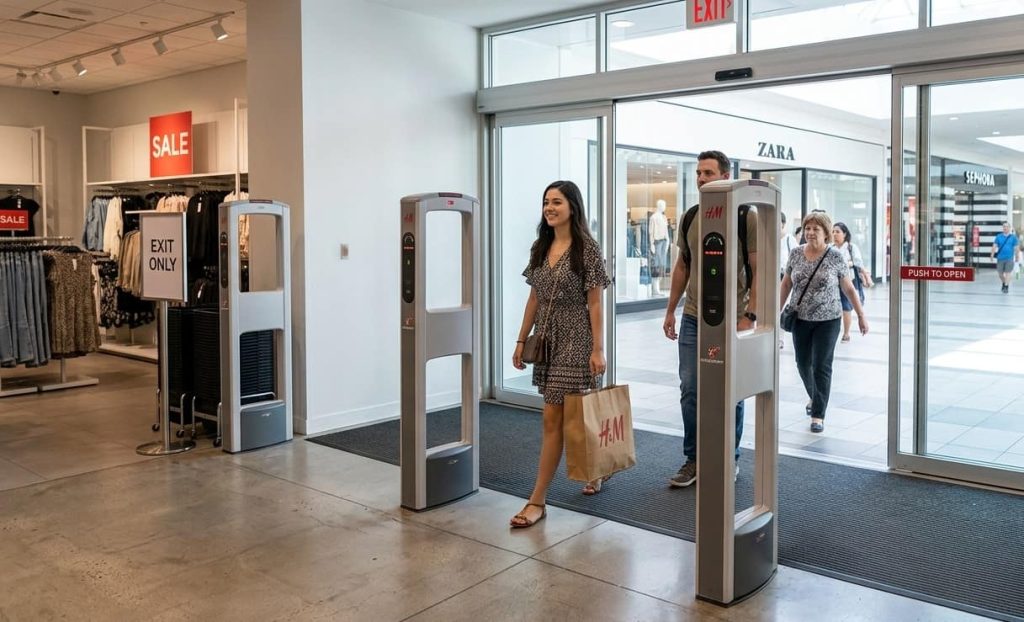
EAS systems generally use security tags or labels attached to merchandise. Antennas installed near the entrance or exit detect an active tag when someone attempts to leave the store without completing the proper checkout process. Depending on the system, an alarm may alert employees to investigate.
These systems are particularly useful for clothing, electronics, cosmetics, accessories, and other merchandise that is relatively easy to conceal.
When evaluating Anti Theft Devices For Retail Stores, EAS should be considered for businesses that need protection across a large number of products.
2. Security Tags and Hard Tags
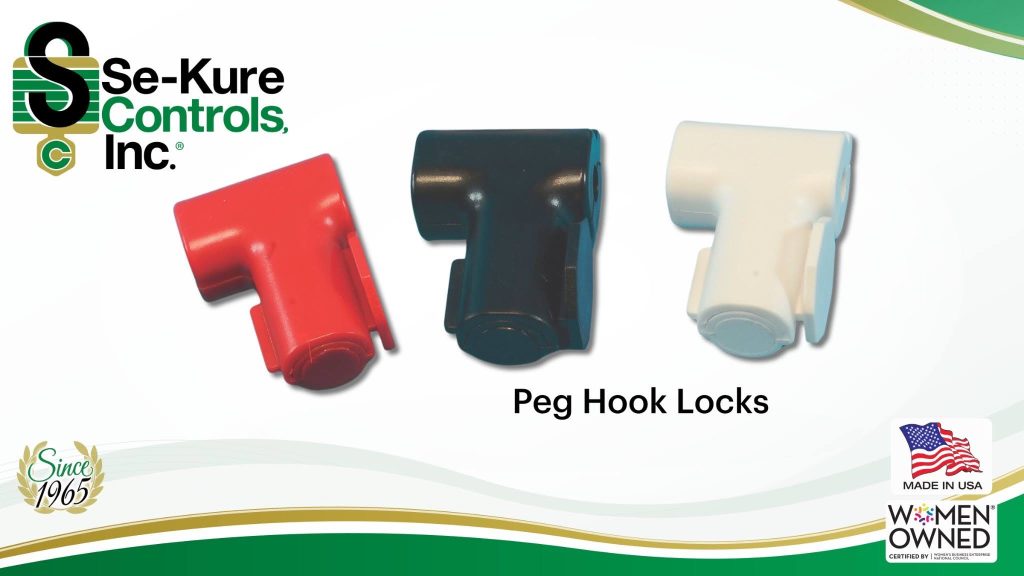
Security tags are another important part of retail theft prevention. They are available in different designs and can be attached to clothing, accessories, packaging, and other merchandise.
Hard tags are generally reusable, allowing retailers to remove them at checkout and place them on new inventory. Some tags are designed specifically for particular merchandise categories.
Using visible security tags can also discourage potential shoplifters before they attempt to steal. For stores with high-value or frequently stolen products, security tags can work particularly well alongside EAS detection systems.
Among Anti Theft Devices For Retail Stores, security tags offer a relatively straightforward way to add protection to individual products.
3. Security Cables and Tethers
Some products cannot easily be protected with conventional security tags. Electronics, accessories, tools, and demonstration products may benefit from security cables or tethers.
These devices physically connect merchandise to a secure fixture or display. Customers can still examine the product, but removing it completely becomes more difficult.
For electronics retailers, mobile phone stores, and technology departments, security cables can be particularly useful. They can help protect display models while allowing customers to interact with products.
When selecting Anti Theft Devices For Retail Stores, consider security cables when merchandise needs to remain accessible for customer demonstrations.
4. Locking Display Cases
High-value products often require stronger protection than a standard shelf or display.
Locking display cases allow retailers to showcase merchandise while keeping products physically secured. Employees can unlock the case when customers want to examine or purchase an item.
These cases can be useful for jewelry, premium electronics, expensive cosmetics, collectibles, and other high-value merchandise.
Although locking cases may require additional employee involvement, they can significantly reduce unauthorized access to selected products. Combining display cases with other Anti Theft Devices For Retail Stores can create multiple layers of protection.
5. CCTV Security Cameras
Security cameras are an essential component of a modern retail security system. Strategically positioned CCTV cameras can provide visibility across sales floors, entrances, exits, checkout areas, stockrooms, and other important locations.
Visible cameras can act as a deterrent, while recorded footage can help employees review incidents and identify security concerns.
Camera placement is particularly important. Blind spots behind shelves, corners, and poorly monitored entrances can create opportunities for theft. Retailers should regularly review camera coverage and adjust positioning when store layouts change.
While CCTV is not designed to physically prevent every theft, it works effectively alongside other Anti Theft Devices For Retail Stores.
6. Convex Security Mirrors
Convex mirrors are a simple but useful security solution for improving visibility.
Their curved design provides employees with a wider viewing angle than a standard flat mirror. Retailers can install them near aisle intersections, corners, entrances, and areas hidden behind tall shelving.
They are especially useful in smaller stores where employees need to monitor multiple areas from a limited position.
Convex mirrors are also relatively simple to maintain and do not require electronic systems. For this reason, they can complement technology-based Anti Theft Devices For Retail Stores without significantly increasing operational complexity.
7. Store Entry and Exit Alarms
Entrance and exit security systems can provide another layer of protection. When integrated with compatible merchandise tags, these systems can notify employees when protected products pass through designated detection areas.
Retailers should ensure that detection equipment is positioned correctly and regularly tested. Poor installation, damaged components, or improperly configured systems can reduce effectiveness.
Routine maintenance is therefore essential for businesses using Anti Theft Devices For Retail Stores as part of their everyday security program.
8. Product-Specific Security Solutions
Not every product requires the same type of protection. A successful retail security strategy considers the characteristics and theft risk of individual merchandise.
For example:
Clothing may benefit from hard security tags.
Electronics may require cables or locking displays.
Small cosmetics can use adhesive security labels.
Jewelry may need locked showcases.
High-value accessories may benefit from individual security devices.
Larger merchandise may require physical restraints or monitored displays.
Choosing security equipment based on the type of merchandise you sell can make your retail security strategy more efficient. Instead of investing in devices that may not be necessary, businesses can concentrate their budget on products and areas that experience a higher risk of theft.
How to Select the Right Anti-Theft Devices
Before investing in Anti Theft Devices For Retail Stores, take time to understand your store’s specific security requirements. Identify products that are frequently targeted, examine areas with poor visibility, and consider how customers and employees move through the premises.
Several factors can help guide your decision:
Store Size and Traffic
A compact convenience store may require a relatively simple security setup, while a large department store with multiple entrances, aisles, and departments may need several types of protection.
Type of Merchandise
The size, value, packaging, and accessibility of your products should influence your choice. Small, high-value items may need individual security tags, while larger or expensive products could benefit from cables, secured displays, or locked cases.
Store Layout
Look closely at shelving arrangements, checkout counters, entrances, exits, and areas that are difficult for staff to observe. Improving visibility in these locations can help reduce opportunities for unauthorized product removal.
Available Budget
Retailers should focus their investment where it can have the greatest impact. Rather than installing expensive equipment throughout the entire store, prioritize merchandise and locations with a higher theft history or risk.
Employee Convenience
Security equipment should be straightforward for staff to operate. If a system makes checkout, stocking, or customer assistance unnecessarily difficult, employees may be less likely to use it correctly.

Pair Security Technology With Trained Employees
Technology is an important part of retail protection, but even advanced Anti Theft Devices For Retail Stores work better when employees remain alert and properly trained.
Staff members should know how security equipment operates, understand the store’s loss-prevention procedures, and recognize situations that may require a manager or security professional. Clear guidelines can help employees respond consistently without creating unnecessary confrontations with customers.
Regular training can also ensure that employees understand how to check security tags, respond to alarms, monitor vulnerable areas, and report incidents appropriately.
Keep Your Retail Security System Up to Date
Retail theft prevention should be viewed as an ongoing process rather than a one-time installation. Customer traffic, product ranges, store layouts, and theft patterns can change over time, which means your security strategy may need to change as well.
Schedule routine inspections of your Anti Theft Devices For Retail Stores to identify damaged, misplaced, or malfunctioning equipment. Check security tags, surveillance cameras, alarms, mirrors, cables, and other protective systems to ensure they remain properly positioned and operational.
It is also useful to review previous theft or loss incidents. Looking for recurring patterns can help identify departments, products, or areas that may require additional protection.
Frequently Asked Questions
1. Which Anti Theft Devices For Retail Stores are most effective?
There is no single device that works best for every retailer. Common options include EAS systems, security tags, CCTV cameras, security cables, locking display cases, and convex mirrors. Combining different solutions according to your store’s specific risks can provide broader protection.
2. Can security tags completely stop shoplifting?
Security tags are designed to discourage unauthorized removal and, when paired with compatible detection systems, can alert staff when tagged merchandise passes through a protected exit. However, no individual device can eliminate every theft risk. A combination of technology, store procedures, and employee awareness is more effective.
3. Can CCTV cameras alone protect a retail store?
CCTV cameras provide valuable visibility and can help document incidents, but they do not physically prevent merchandise from being taken. Retailers can use surveillance alongside other Anti Theft Devices For Retail Stores to create several layers of security.
4. How frequently should retail security equipment be inspected?
Routine inspections are recommended to ensure devices continue to work properly. Additional checks should be performed after store renovations, changes to shelving or displays, equipment problems, or noticeable changes in theft activity.
Build a Stronger Retail Security Strategy
Effective shoplifting prevention requires a comprehensive approach rather than relying on a single piece of equipment. Retailers should combine appropriate security technology with well-organized displays, clear visibility, trained employees, and regular system evaluations.
The right Anti Theft Devices For Retail Stores can help businesses protect vulnerable merchandise, discourage unauthorized removal, and improve overall visibility throughout the sales floor. From EAS and security tags to CCTV cameras, convex mirrors, security cables, and locked displays, the ideal combination depends on your products, store design, and security priorities.
By assessing your risks first and choosing equipment accordingly, you can develop a practical retail security strategy that protects inventory without unnecessarily complicating daily operations.