


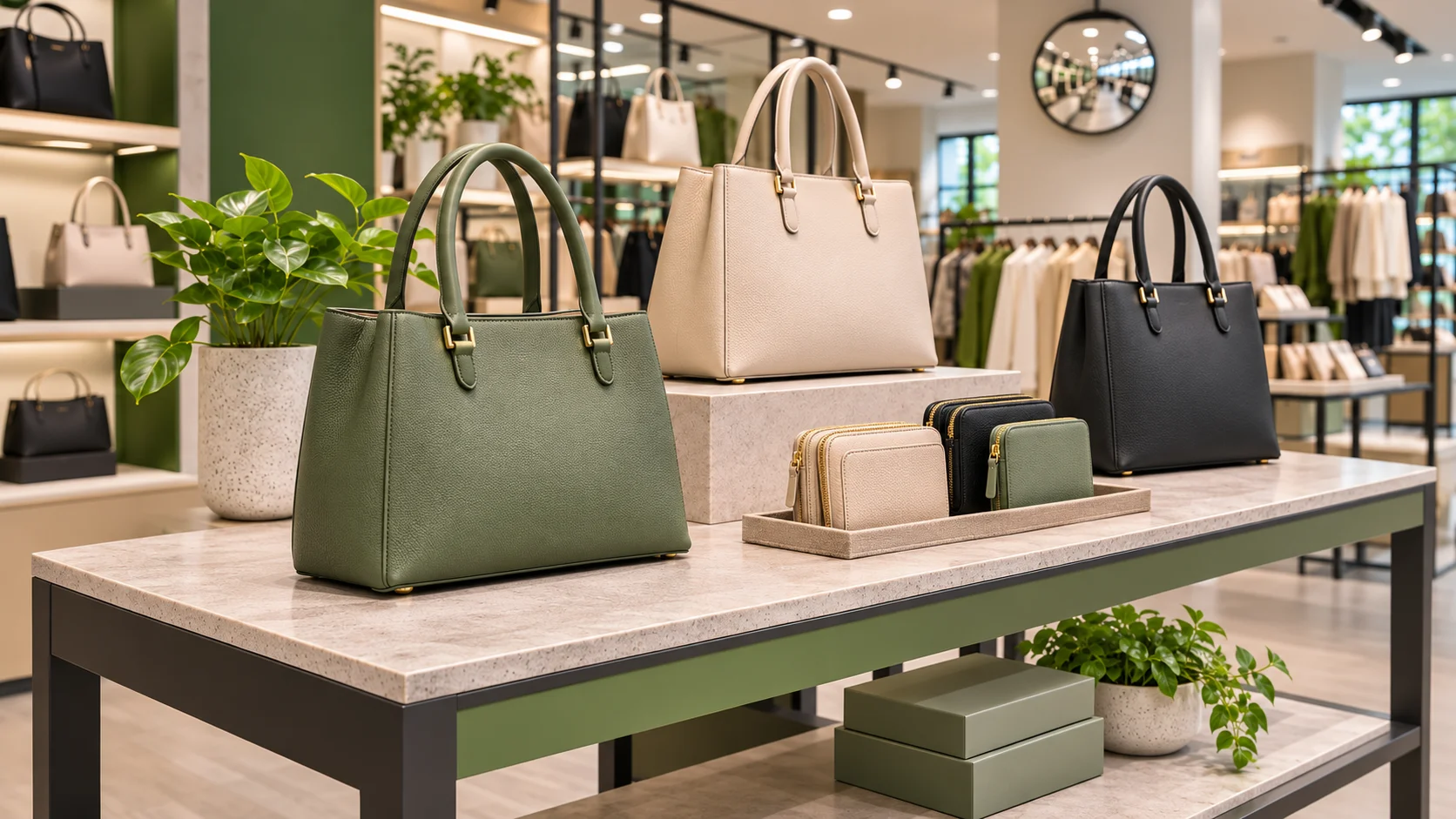
Effective retail merchandise security is designed to make unauthorized removal more difficult. Sometimes, however, a security measure does exactly what it is supposed to do and the theft attempt simply changes direction.
Se-Kure Controls saw an unusual example of this during a real retail theft incident involving handbags secured with security cables.
The group involved was unable to simply separate the handbags from the cables. Instead, the approach changed and the display table itself was moved.
The cables held. The tactic changed.
For retailers, the incident highlights an important lesson: protecting the merchandise is essential, but the rest of the display matters too.
When Security Changes the Theft Attempt
Physical security creates resistance.
A cable can keep merchandise attached. A lock can control access. An alarm can provide another layer of awareness when a display is disturbed.
When one of those barriers works, someone attempting a theft may look for another vulnerability.
That is where a broader retail merchandise security strategy becomes important. The product, attachment point, fixture, store layout, visibility, and employee interaction all influence how the complete display performs.
This is closely connected to retail display security. The security device and the fixture it is attached to should be considered together rather than as separate parts of the store.
Protecting the Product Means Looking at the Display
A merchandise cable can only be one part of the setup.
How the cable connects to the product and how the opposite end is secured can influence the strength of the overall application. A solid security device attached to a vulnerable fixture may simply shift attention toward the fixture itself.
Placement also affects day-to-day use.
Employees need reasonable access when merchandise must be released for a customer. Displays still need to remain organized, and security should fit naturally into the way merchandise is presented.
Looking at the complete display helps retailers identify weaknesses before they become the easiest alternative during a theft attempt.
Handbag Security Without Hiding the Product
Handbags are a good example of the balance retailers often need to strike.
Customers generally need to see the product closely and may want to handle it before making a purchase. Completely removing that interaction can interfere with the shopping experience.
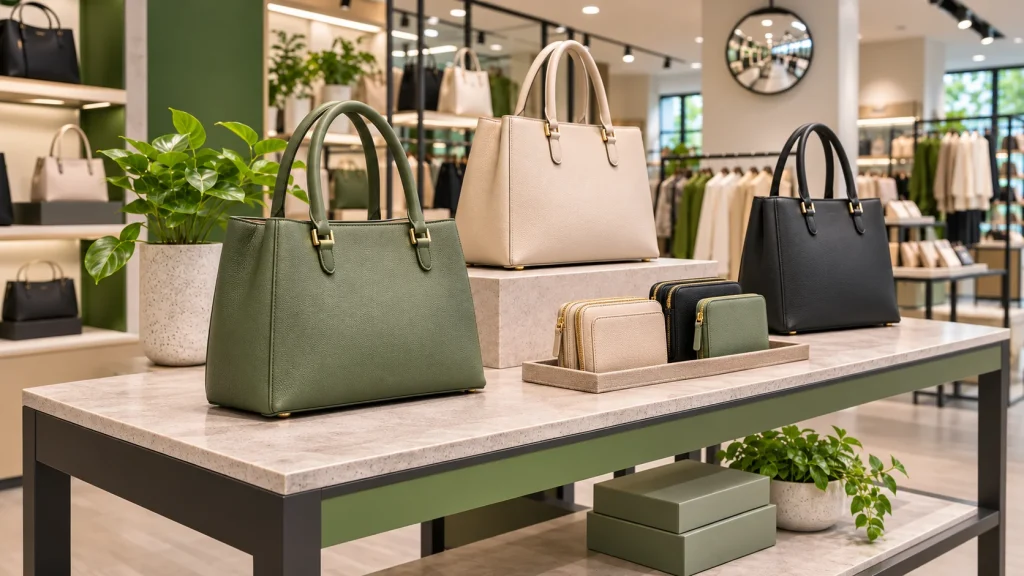
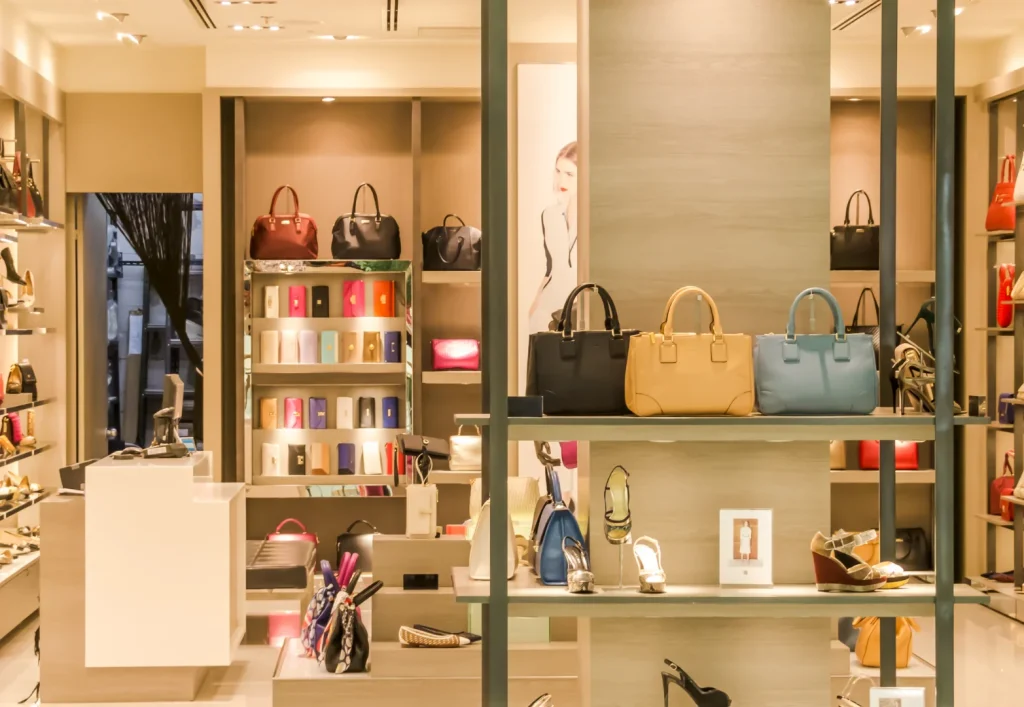
Handbag security can instead tether merchandise while allowing it to remain visible and accessible on the sales floor.
The incident involving the secured handbags demonstrates why that protection can matter. The merchandise did not simply detach when an attempt was made to remove it.
At the same time, the event showed why the complete display should be evaluated. Once the merchandise resisted removal, attention shifted elsewhere.
That same principle can apply to other open merchandising environments where retailers want to maintain access while making unauthorized removal more difficult.
Add Awareness Around the Display
Mechanical protection is not the only consideration.
Depending on the merchandise and environment, electronic alarms can add another level of awareness when a protected product or security device is disturbed.
Store visibility can support the physical protection as well.
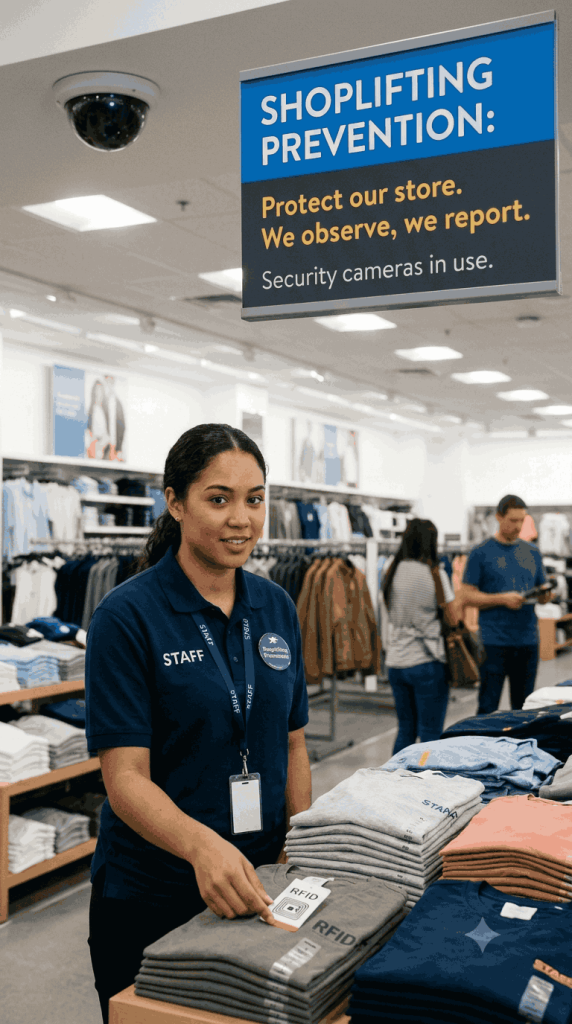
A display positioned around a blind spot or difficult sightline creates a different environment from one employees can easily observe. Security mirrors and domes can help improve visibility in areas where fixtures, shelving, or store layout limit sightlines.
The objective is not to place every possible security product around every display. A more practical approach is matching the protection to the vulnerabilities that actually exist.
Security Still Has to Work for the Store
Stronger security should not come at the expense of normal store operations.
Customers still need to shop. Employees still need to assist them. Merchandise still needs to look presentable.
This balance is especially important with products that customers expect to interact with, including handbags, apparel, phones, tablets, and other higher-value merchandise.
A good retail theft prevention strategy accounts for both sides. It should create resistance against unauthorized removal while keeping legitimate access manageable for employees and customers.
Security that works in theory but creates unnecessary difficulties during daily use may not be the best fit for the application.
Think Beyond the First Barrier
The handbag incident is useful because the initial protection performed its intended function.
The merchandise remained attached.
The response was to change tactics.
That is the broader takeaway for retail merchandise security.
Protecting merchandise should include an understanding of what surrounds it. The attachment point, display fixture, available visibility, alarm options, employee access, and customer experience all contribute to the complete security environment.
No individual device can address every possible theft scenario. Retailers can, however, make the next move more difficult by looking beyond the first barrier and identifying where another vulnerability may exist.
A stronger security plan begins with the merchandise, but it does not have to end there.
Stay Connected
Effective retail merchandise security starts with understanding the product, the display, and how customers and employees interact with both. Looking beyond a single security device can help retailers identify vulnerabilities throughout the complete display.
Discover more insights on retail theft prevention, security hardware innovation, and display protection strategies on the Se-Kure Controls blog.
Follow Se-Kure Controls
Follow Se-Kure Controls for industry updates, product innovations, and expert perspectives: