


Retail Loss Prevention Mistakes
Retailers work hard to protect their stores, but many fall into the same traps when it comes to loss prevention. Greg Saputo, Director of Sales for Se-Kure Controls, has spent decades on both the retail and vendor sides of the industry. His real-world insights shine a light on what retail loss prevention mistakes retailers make and how simple changes can lead to better protection without hurting the shopping experience.
Why Cameras Alone Don’t Stop Theft
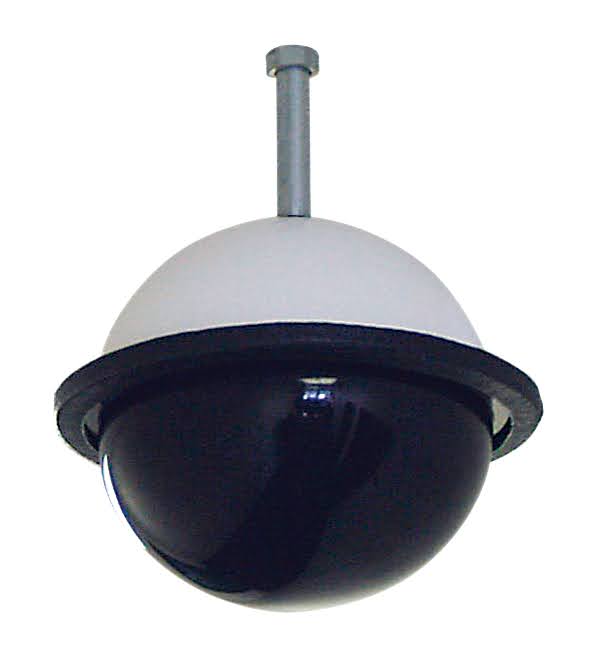
Many retailers believe that adding more cameras is the best way to prevent theft. But Greg explains that cameras are reactive, not proactive. “Cameras don’t stop a theft, they record it,” he says. Most thieves know where the cameras are and how to avoid them. Even if you catch them on tape, it’s often too late to recover the stolen items.
That’s why relying solely on surveillance can be a costly mistake. Effective loss prevention must start before the theft happens, not after.
Visibility and Store Layout Are Your First Defense
When Greg walks into a store, the first thing he looks at is layout and visibility. Can staff see across the store? Are high-theft items in easy-to-reach, low-visibility areas? These questions are critical. A cluttered or poorly designed store layout gives thieves more chances to act without being seen.
Retailers often design stores for product appeal without considering how layout impacts security. Involving loss prevention teams early, before finalizing displays or floor plans, can stop many thefts before they happen.
Common Mistakes Retail Loss Prevention Mistakes
Greg points out several common retail loss prevention mistakes:
- Over-reliance on tech: Tools like phone alerts for alarms are growing in popularity, but tech alone isn’t the answer.
- Lack of staff training: Employees often don’t know how to spot suspicious behavior.
- Ignoring partnerships: Some retailers treat suppliers as disposable rather than strategic partners.
- No clear deterrent: If a store doesn’t look protected, it becomes an easy target.
These mistakes don’t just cost money, they erode trust and customer safety. But the good news? Most of them are fixable.
How Se-Kure Helps Retailers Rethink Their LP Strategy
At Se-Kure Controls, Greg and his team don’t just sell devices, they help retailers see what they might be missing. Their approach includes:
- Consulting on store layout and traffic flow
- Offering durable, long-lasting security products
- Building custom deterrent strategies for different retail needs
Because Se-Kure’s products last for years, retailers don’t come back because something broke, they return because they’re growing. This creates a true partnership built on trust and results.
Easy Improvements That Prevent Big Losses
Greg’s advice to retailers is simple but powerful:
- Don’t wait until after a theft to act.
- Think like a thief: look for blind spots and weak areas.
- Work with vendors who care about your success.
- Train your team to stay alert and involved.
When prevention becomes part of your store’s culture—not just a reaction—you’ll see fewer losses and better peace of mind.