


A strong retail theft prevention strategy begins before merchandise is taken, not after the theft has already happened. Cameras, reports, and investigations can help stores understand what occurred, but they do not always stop the loss in the moment.
For many retailers, the most important decisions happen at the display level. How a product is shown, secured, watched, and accessed can affect whether it becomes an easy target. A display that looks great but offers no protection may create risk. A display that is too locked down may protect the product but slow the sale.
A better approach is to build security into the shopping experience. When products stay visible, staff can respond faster, and security hardware fits the display, stores can protect merchandise without making customers feel blocked.
Retail Theft Prevention Should Start Where Shoppers Interact
A retail theft prevention strategy works best when it focuses on the places where customers actually touch, compare, and handle products. Theft often begins at the display, so the display should be part of the solution.
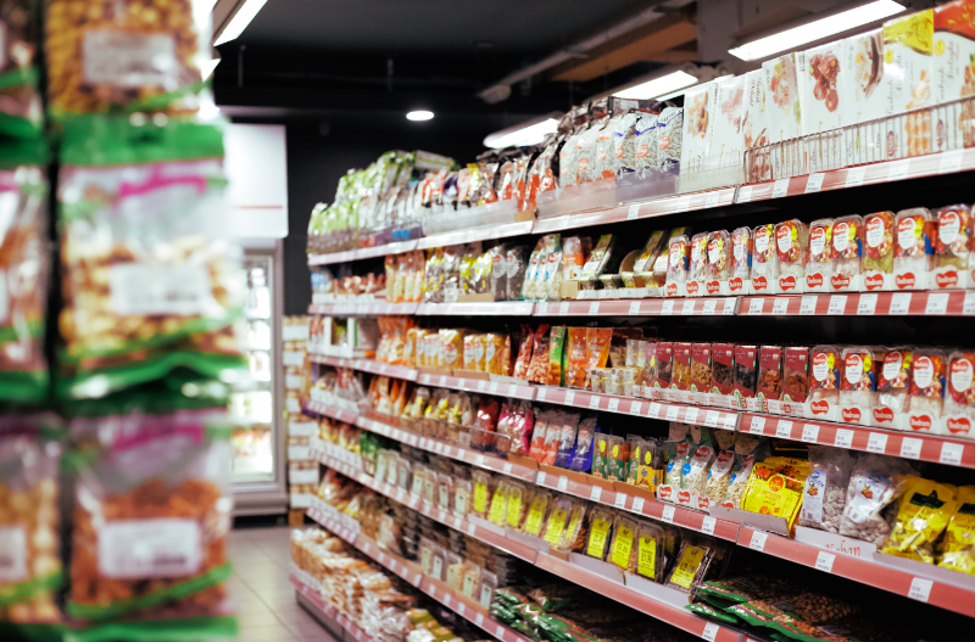
High-risk merchandise is usually placed where it can be seen. Handbags, electronics, apparel, accessories, tools, and small boxed goods often need to stay on the sales floor because visibility helps sell the product. At the same time, open access can make quick removal easier.
This is where many stores face a difficult choice. They can make the product easy to shop, or they can make it harder to steal. The stronger strategy is to do both.
Security should not feel like an afterthought. It should be built into the way the product is presented.
Visibility Is One of the Simplest Forms of Prevention
Good visibility can change how a store feels and functions. When staff can see more of the sales floor, it becomes easier to notice unusual activity, assist customers, and respond before a situation escalates.
Blind spots create opportunities. Tall fixtures, tight aisles, corners, end caps, and display clusters can limit what employees can see. Even a well-staffed store can miss activity in areas that are hidden from view.
Convex mirrors, dome mirrors, and thoughtful fixture placement can help reduce those gaps. These tools do not replace alarms, locks, or tags, but they support the larger plan. A store that is easier to see is often easier to manage.
For retailers, visibility is not only about theft. It also supports safety, customer service, and smoother daily operations.
Security Hardware Should Fit the Product
A retail theft prevention strategy becomes stronger when each product gets the right type of protection. Not every item needs the same device, and not every display should be secured the same way.
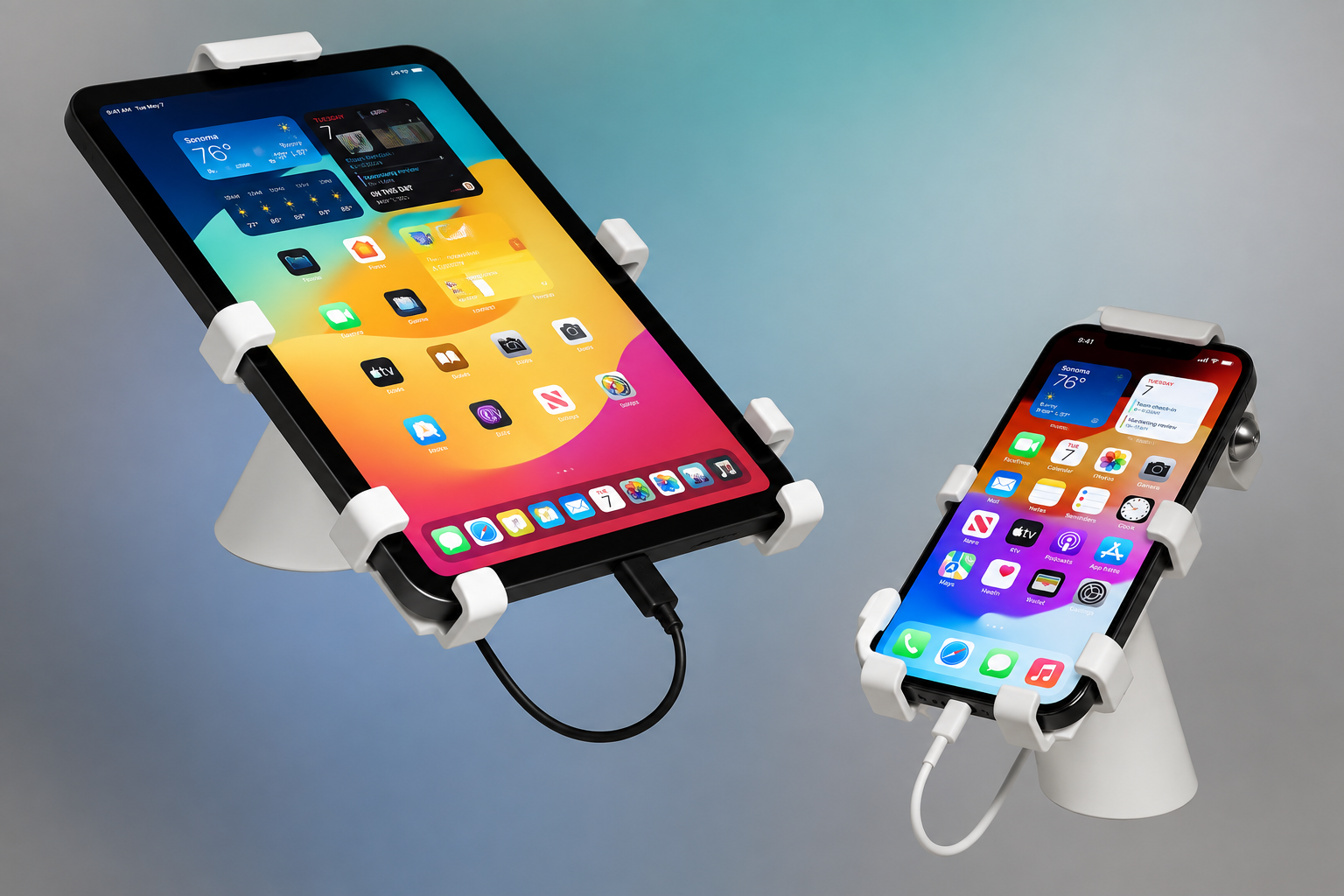
A handbag may need keyed access. A phone may need an alarmed display. Clothing may need a tag, cable, or lasso-style solution. A high shelf or hidden corner may need a mirror. Products that customers need to handle may need security that allows interaction without giving up control.
This matters because the wrong security product can create new problems. If it is too complicated, staff may avoid using it. If it blocks the product too much, customers may lose interest. If it is too weak, it may not create enough delay.
The goal is to match the protection to the risk, the product, and the customer experience.
Delay Can Be Just as Important as Detection
Many theft prevention tools work by adding delay. A lock, cable, alarm, tag, or secured hook may not stop every attempt forever, but it can make quick removal harder.
That extra time matters. It gives staff a better chance to notice, respond, or offer assistance. It also makes the product less convenient for someone looking for an easy target.
Retailers often think of security as something that either stops theft or fails. In practice, security often works by making theft less simple. A product that takes more effort to remove may be passed over for an easier one.
This is why display-level security is so important. It protects the product at the point where theft is most likely to begin.
Customer Access Still Matters
Security should protect merchandise, but it should not make honest shoppers feel ignored. Locked displays, secured fixtures, and alarmed products work best when customers still have a clear path to get help.
A customer who cannot find assistance may walk away. That lost sale is also a cost. For this reason, access should be part of the security plan from the start.
Stores can support access through clear signage, staff training, call buttons, or display layouts that make assistance easier to request. When shoppers understand how to get help, secured merchandise feels less frustrating.
The best retail environments do not force a choice between protection and service. They use security to guide the experience, not block it.
Build a Strategy Around the Whole Store
A strong retail theft prevention strategy looks at the full store, not only one product or one department. Each area may need a different level of protection.
Some areas need better visibility. Others need alarmed displays, locking hardware, clothing protection, or staff assistance tools. The right mix depends on the product value, store layout, staffing levels, and customer behavior.
This layered approach helps retailers avoid over-securing low-risk products while leaving high-risk areas exposed. It also creates a more natural shopping experience because security is applied where it makes sense.
When protection, visibility, delay, and access work together, the store becomes easier to shop and harder to target.
Stay Connected
A retail theft prevention strategy should begin where merchandise meets the customer. By improving display security, visibility, staff response, and customer access, retailers can protect products earlier and create a better shopping experience.
Discover more insights on retail theft prevention, security hardware innovation, and display protection strategies on the Se-Kure Controls blog.