


When Locked Products Chase Away Young Shoppers
Gen Z retail frustration is becoming a real issue in stores across the country. Shoppers in this age group want speed, freedom, and easy access. But when items are locked behind glass or hard to reach, they often leave without buying.
Matthew Pittelkau is 25 years old and works in marketing and graphics at Se-Kure Controls. He still likes to shop in stores, unlike many of his friends who buy everything online. But even Matthew says Gen Z retail frustration hits hard when the shopping experience gets too difficult.
Shopping Habits Have Changed
Why Gen Z Walks Away Instead of Asking
Unlike older generations, Gen Z often avoids talking to store staff. If something’s missing from the shelf or locked up, many young shoppers just give up. They may check an app or barcode scanner but they won’t ask for help.
“I’ll leave if I can’t grab the product myself,” Matthew says. This Gen Z retail frustration leads to lost sales and fewer repeat visits.
Locked Shelves vs. Good Design
How Stores Try to Stop Theft and Without Losing Customers
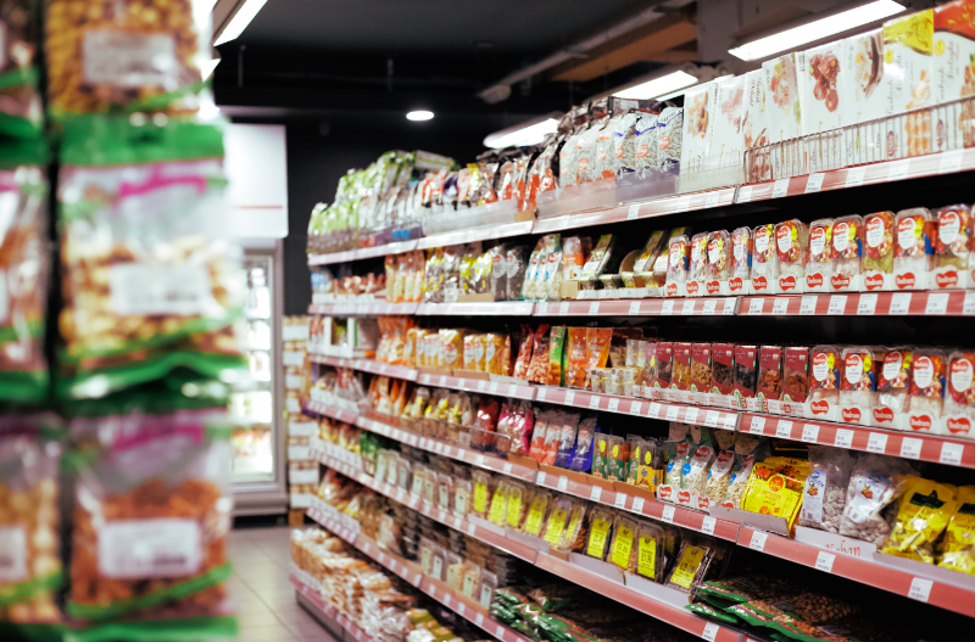
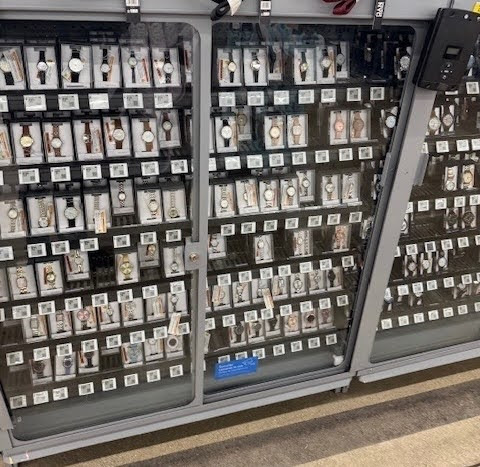
To prevent theft, some stores now keep everyday items like toothpaste or batteries behind glass. While that might help with security, it creates Gen Z retail frustration because it slows things down. Shoppers don’t want to wait for help or press a button to get what they need.
Matthew points out a better solution: use design that blends security with access. Stores should aim for systems that protect products but still let people explore.
Seeing the Problem Through a New Lens
Store Mess = Shopper Stress
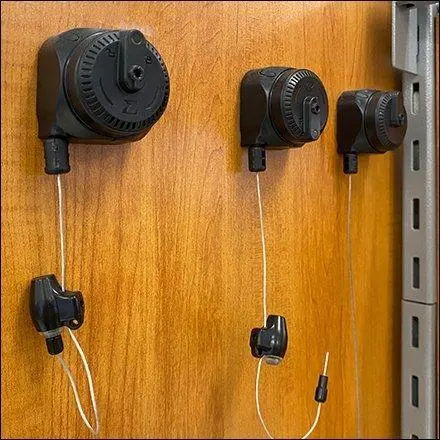
As someone who creates instructions for product displays, Matthew notices when things aren’t set up correctly. He sees phones loose on stands, watch displays poorly mounted, and shelves that feel unsafe. These all feed into Gen Z retail frustration.
For Matthew, the fix is clear: build smart displays that are both strong and stylish.
Security That Doesn’t Get in the Way
The Future Is Friction-Free
Matthew visited a smart store at a concert venue where you scan your card to enter and walk out with what you want, no checkout needed. That experience left him impressed. “It felt secure without being a hassle,” he says.
To solve Gen Z retail frustration, stores need to think like Gen Z. Make things easy. Make them smooth. And keep the vibe welcoming.