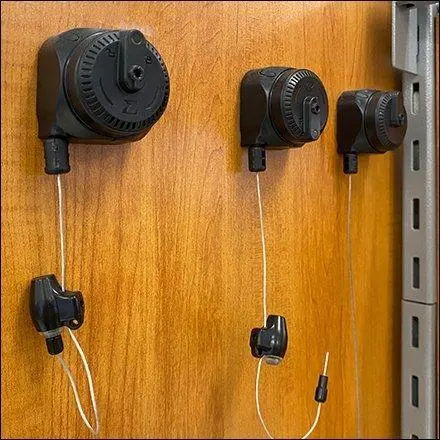



Modern retail security faces increasingly complex challenges as theft tactics evolve and store environments change. Effective protection requires more than visual deterrents. Retail theft prevention design must be built around how criminals behave in real-world conditions. Security hardware needs to anticipate common attack methods, withstand physical abuse, and remain dependable during high-pressure moments.
Dave Adams, Director of Engineering at Se-Kure Controls, explains the mindset behind this approach. “You have to think like a criminal,” he says. “Are they going to pry it open? Cut it? Dump liquid on it? You make sure everything withstands what the criminal is going to give you.” Designing with real behavior in mind leads to stronger, more resilient security tools.
Why Understanding Theft Behavior Improves Hardware Design
Theft attempts rarely follow predictable patterns. Criminals exploit distraction, speed, mechanical weaknesses, and blind spots. Retailers regularly see tactics such as cable cutting, rapid grab attempts, device swapping, and coordinated team entries. Security hardware must be engineered to withstand these behaviors consistently.
A design philosophy rooted in real-world theft behavior produces hardware that remains stable even under stress. Every component—from cables to housings—must resist common attack points. Engineering decisions informed by field experience give retailers tools that perform reliably over time.
Field Incidents Reveal Opportunities for Improvement
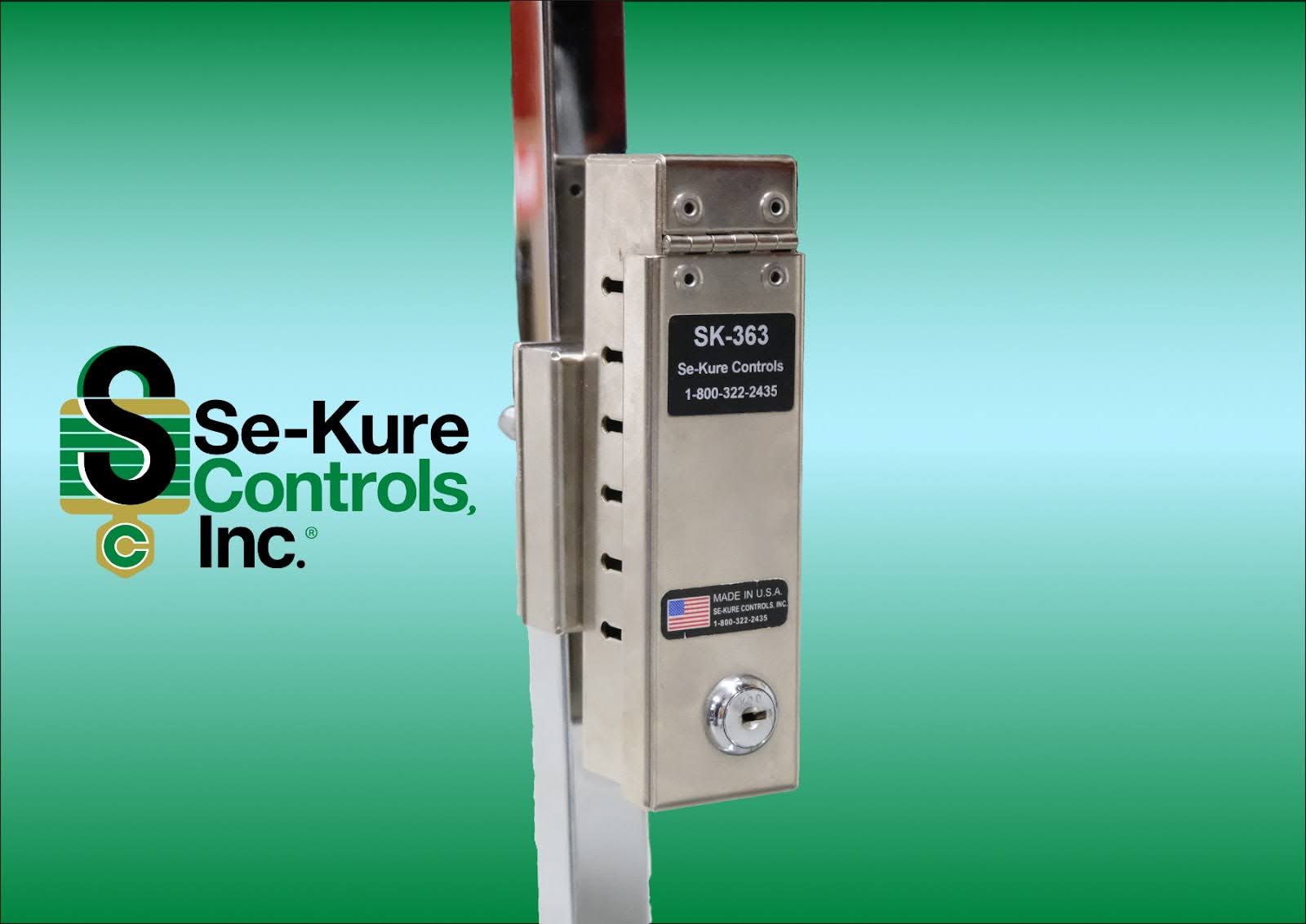
Retail security innovation often begins with lessons learned from real incidents. Dave recalls a moment during the Chicago riots when a Se-Kure lock box was subjected to extreme force. Thieves repeatedly slammed it against the ground in an attempt to break it open. “It took them several minutes pounding this lock box on the ground,” he said. “About eight minutes before they got it open.”
While eight minutes is a long time during an active theft attempt, the engineering team viewed the incident as valuable data. “Since they got it open in eight minutes, we redesigned it and made it even stronger,” Dave explained. This type of continuous refinement helps create hardware capable of resisting increasingly aggressive theft tactics.
Security Solutions Must Perform Independently in Lean Store Environments
Reduced staffing levels place greater demands on security hardware. Store teams cannot intervene in every theft attempt, and employee safety remains a priority. Many retailers now rely on solutions that provide reliable protection without immediate human involvement.
Dave summarized this reality clearly: “Store associates are not allowed to stop anybody for their own safety.” This constraint requires hardware that acts as a dependable barrier. Permanent lockdown systems, reinforced housings, and tamper-resistant cables help protect merchandise even when staff cannot respond directly.
Real-World Design Strengthens the Customer Experience
Retailers want customers to interact freely with products. Strong security design supports this goal by keeping displays stable, functional, and accessible. Reliable hardware reduces false alarms, minimizes downtime, and maintains a clean visual presentation.
The most effective retail theft prevention design balances protection and experience. Products remain visible and easy to engage with, while the security layer stays strong enough to resist tampering. This balance builds customer confidence and encourages interaction without compromising safety.
Continuous Improvement Creates Stronger Protection for Retailers
Effective security design evolves alongside emerging theft patterns. Field feedback, store-level insights, and real incidents guide each new iteration. Dave highlighted the importance of rapid engineering response, noting, “We just shipped a prototype in four days, no changes needed.”
Retailers depend on hardware that can adapt to changing layouts, new product launches, and shifting theft behavior. Responsive, adaptive design supports long-term protection across high-risk categories.
Next Steps for Retailers Strengthening Theft Prevention
Retailers looking to improve protection benefit from evaluating where vulnerabilities exist. High-theft items, exposed cables, or easily defeated alarm systems often signal the need for stronger design.
Consider the following steps to strengthen your approach:
- Request a design consultation based on current theft patterns
- Evaluate lockdown options for high-risk categories
- Review opportunities to upgrade cables, stands, or housings
Thoughtful, real-world-informed design improves protection, supports the customer experience, and helps retailers stay ahead of evolving theft challenges.
Take Action on Smarter Retail Security
Retail theft continues to evolve, and effective protection starts with design built for real-world behavior. Strengthen your loss prevention strategy by exploring security solutions engineered to withstand today’s theft tactics while supporting a positive in-store experience.
Discover more insights on retail theft prevention, security hardware innovation, and display protection strategies on our blog:
👉 https://se-kure.com/blog/
Stay Connected
Follow Se-Kure Controls for industry updates, product innovations, and expert perspectives: