


Retail security technology continues to create new possibilities for protecting merchandise, understanding activity, and responding to potential theft. More technology, however, does not automatically create a better security strategy.
The more useful question is what the technology helps a retailer accomplish.
Bill Zuckerman, VP of Product and Innovation at Se-Kure Controls, brings experience in engineering, manufacturing, product marketing, and user-focused product development to that challenge. His background has repeatedly involved taking technical capabilities and determining how they can become practical tools for the people actually using them.
That same approach can help retailers evaluate the growing number of technologies available for loss prevention and merchandise security.
Start With What the Technology Needs to Do
Emerging technology can quickly become something businesses feel they need simply because it is available.
Earlier in his career, Bill saw this happen with Bluetooth. Customers would ask for Bluetooth, but the more important discussion was what experience they expected the technology to create.
Retail security technology deserves the same evaluation.
AI, RFID, cameras, alarms, sensors, and connected devices can all provide different capabilities. Before choosing a technology, retailers should first define the problem behind it.
What should the system recognize? Who needs the information? What should happen next?
Those questions move the conversation away from simply adding features and toward creating a usable solution.
Look for Opportunities to Connect Existing Tools
One of the more interesting opportunities discussed was the potential for different technologies to work together.
A customer assistance button, for example, could potentially interact with another system that provides more information about activity around a secured display. Cameras, alerts, associate communication, and physical security could each contribute part of the picture.
The example was forward-looking, but the larger idea is important.
Bill described the opportunity as being able to “connect all those technologies together” so they contribute to a solution rather than operate as unrelated pieces.
For retailers, integration could mean getting more value from technology already present in the store instead of simply adding another isolated device.
An Alert Should Lead Somewhere
Retail security systems can generate information, but information alone does not solve a problem.
If unusual activity is detected, who needs to know? If a customer requests assistance, how quickly can the right associate respond?
Retail security technology becomes more useful when it shortens the distance between detecting something and responding to it.
Bill noted that technology could potentially be used “to notify associates or notify security” when certain activity is identified.
The value shifts from simply recording an event to helping the store respond while the information is still useful.
Retail Security Is Becoming a Data Question
RFID was another technology explored during the conversation.
Individual merchandise identification can create opportunities to understand whether an item was purchased, where it originated, or how it moved through an operation. The challenge is connecting that information with everything else the retailer already knows.
Existing databases and infrastructure can make adding another layer of product information difficult.
As Bill explained, “Whoever can figure out how to add that data to the data, it’s going to have a winning solution.”
The lesson extends beyond RFID. Collecting more information only matters if a retailer can organize it, understand it, and use it.
AI Still Needs Human Context
AI may make it easier to process growing amounts of retail security data, but technology does not remove the differences between individual stores.
Locations vary in layout, merchandise, traffic, customer behavior, and security risks.
Bill described the industry as still being in the “infancy of data” and emphasized maintaining a human element when interpreting it.
Testing therefore remains important. A retailer can introduce a security change, observe how it performs in the actual environment, and determine whether it improves the situation before expanding it across a larger network.
Technology can identify patterns. People still have to determine what those patterns mean for the store.
Make Technology Useful, Not Just Impressive
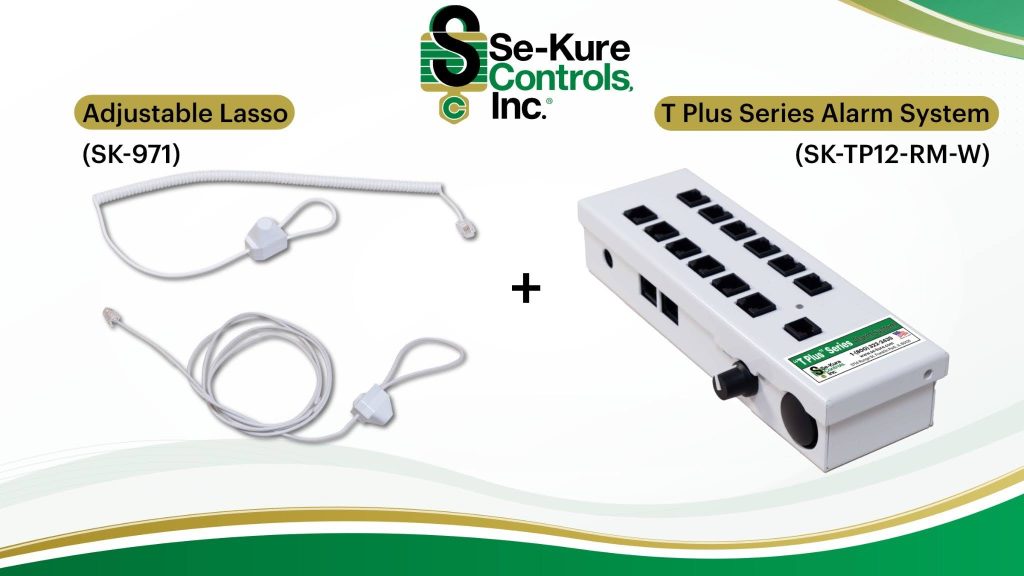
Se-Kure Controls offers merchandise protection solutions including electronic alarms, sensors, recoilers, cables, locks, and display security products. New technology may create more opportunities for physical security tools to communicate with other parts of the retail environment.
The strongest opportunity is not necessarily making every product more complicated.
Can different systems contribute to a clearer picture? Can an alert reach the right person faster? Can merchandise data help explain what happened?
As retail security technology develops, those practical questions may matter more than the number of features a system offers.
The goal is not simply knowing more.
It is knowing what to do next.
Stay Connected
Effective retail security technology should help stores turn information into practical action while keeping merchandise protection, store operations, and the customer experience in mind.
Discover more insights on retail theft prevention, security hardware innovation, and display protection strategies on the Se-Kure Controls blog.
Follow Se-Kure Controls
Follow Se-Kure Controls for industry updates, product innovations, and expert perspectives: