


Retail theft is a growing concern for businesses of all sizes. From small convenience stores to large retail chains, shoplifting, organized retail crime, employee theft, and inventory shrinkage can affect profitability, customer experience, and daily operations. Without an effective security plan, even minor losses can accumulate and create significant financial challenges over time.
Implementing the right Retail Theft Prevention Strategies helps retailers reduce losses, protect merchandise, and create a safer shopping environment. Modern retail security solutions combine physical protection, product visibility, surveillance, and employee awareness to address theft risks before they become costly problems.

Se-Kure Controls helps retailers explore security solutions designed to protect merchandise while maintaining an organized and welcoming store environment. By combining suitable loss-prevention products with practical security measures, retailers can strengthen their defenses and improve overall store management.
In this guide, we will explore effective theft prevention methods and explain how Se-Kure Controls can support a more secure retail operation.
Why Retail Theft Prevention Matters
Retail theft affects more than the value of missing merchandise. Businesses may also experience higher insurance costs, increased security expenses, disrupted inventory management, and reduced profit margins. Repeated incidents can make it difficult to maintain accurate stock levels and understand which products are performing well.
An effective prevention plan helps retailers identify vulnerabilities and establish consistent security practices. Rather than relying on a single security measure, businesses should adopt multiple layers of protection that work together.
The most effective Retail Theft Prevention Strategies focus on three important objectives: discouraging theft, detecting suspicious activity, and protecting high-risk merchandise. A combination of suitable security equipment, trained employees, and organized store layouts can help businesses achieve these goals.
1. Install Electronic Article Surveillance Systems
Electronic Article Surveillance (EAS) is a widely used approach to retail loss prevention. These systems typically use security tags or labels attached to merchandise and detection antennas positioned near store exits.
When protected merchandise passes through the detection area without the tag being properly deactivated or removed, the system can trigger an alert. This gives employees an opportunity to investigate the situation according to store procedures.
EAS systems can be particularly useful in clothing stores, electronics retailers, department stores, and other businesses selling frequently targeted products.
Se-Kure Controls offers retail security products that retailers can evaluate when planning merchandise protection. Selecting compatible tags, labels, and detection equipment is essential for effective operation.
When considering EAS technology, retailers should assess product types, store entrances, checkout procedures, and expected customer traffic. Proper installation and regular testing also help maintain reliable performance.
2. Protect High-Value Merchandise with Display Security
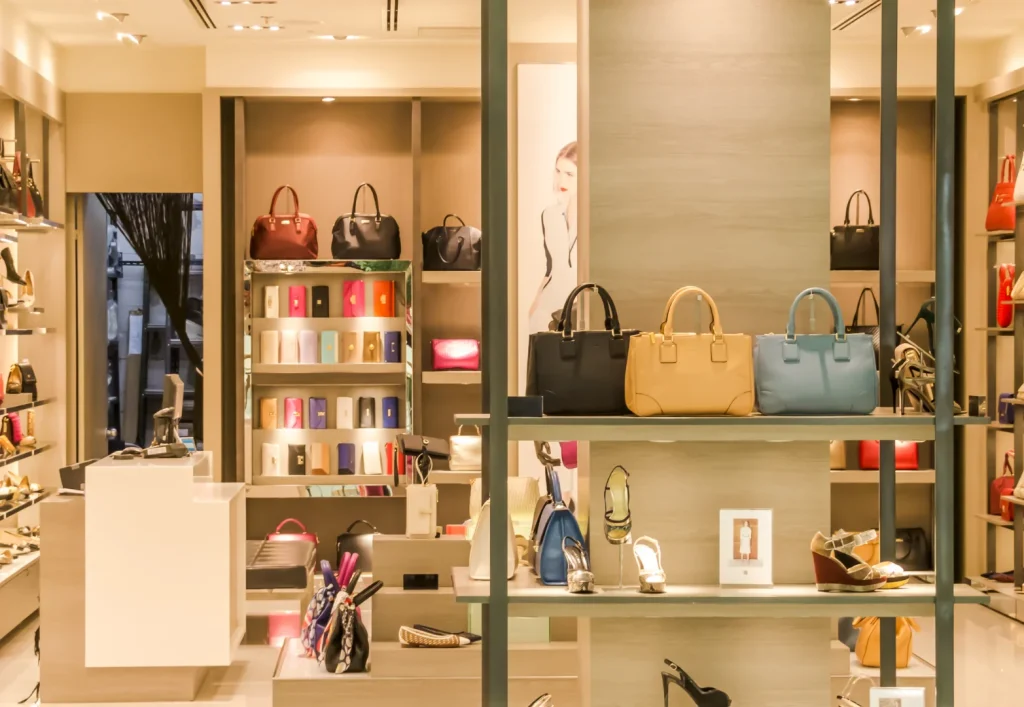
Expensive or easily concealed products often require additional protection. Electronics, accessories, cosmetics, designer items, and small consumer goods may attract unwanted attention because they are valuable and relatively easy to remove from shelves.
Display security solutions can help retailers protect these products while allowing customers to examine them before making a purchase.
Depending on the merchandise, suitable options may include:
Security display cases for valuable or fragile products.
Protective holders for smartphones, tablets, and electronic accessories.
Locking displays for selected high-risk items.
Security fixtures that keep products accessible while restricting unauthorized removal.
One of the most practical Retail Theft Prevention Strategies is to match the security solution to the product rather than applying the same protection everywhere.
For example, a store may use open displays for lower-risk merchandise and secured fixtures for expensive electronics. This balanced approach supports customer convenience without overlooking potential theft risks.
Retailers can explore the available product categories from Se-Kure Controls to identify options that fit their merchandise and store layout.
3. Improve Store Visibility and Layout
A poorly organized store can create opportunities for theft. Tall displays, overcrowded aisles, hidden corners, and merchandise positioned far from employee workstations may make it harder to observe activity throughout the premises.
Improving store visibility is a simple but valuable step toward reducing these risks.
Retailers should arrange shelves to maintain clear sightlines, keep frequently targeted products within visible areas, and avoid unnecessary obstructions near exits. Mirrors and strategically positioned cameras may also help employees monitor less visible sections.
Clear visibility benefits customers as well. Shoppers can navigate the store more easily, locate products faster, and receive assistance without unnecessary delays.
These improvements work best when combined with other Retail Theft Prevention Strategies, including inventory monitoring, security displays, and employee training.
4. Use Video Surveillance and Monitoring
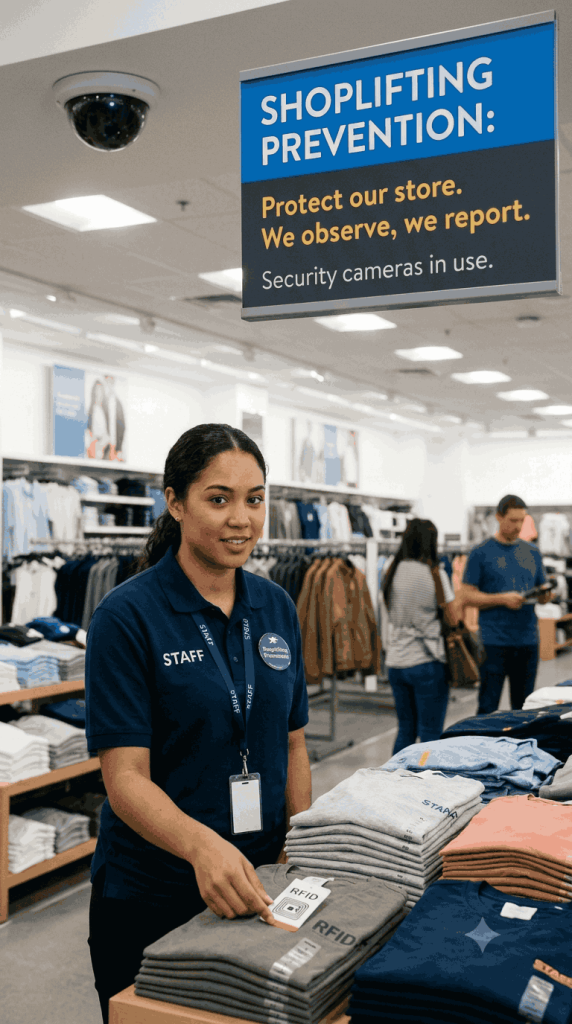
Video surveillance can help retailers monitor store activity, investigate incidents, and identify recurring security concerns. Cameras positioned near entrances, checkout counters, stockrooms, and high-risk merchandise areas can provide useful information when theft is suspected.
However, surveillance should be implemented thoughtfully. Retailers need to consider camera placement, lighting, image quality, storage requirements, and applicable privacy regulations.
Security footage may also help businesses review operational problems, such as incorrect checkout procedures or unauthorized access to restricted areas.
Cameras alone cannot prevent every incident. Their effectiveness improves when they form part of a broader security plan that includes trained staff, appropriate merchandise protection, and clear incident-reporting procedures.
Retailers should establish guidelines for reviewing footage and handling suspected theft consistently and lawfully.
5. Train Employees to Recognize and Report Suspicious Activity
Employees are an important part of any retail security program. Staff members who understand store procedures can recognize unusual situations, report concerns promptly, and provide better customer service.
Training should cover common warning signs, correct use of security equipment, inventory discrepancies, and procedures for reporting incidents to management.
Employees should also learn how to respond professionally when theft is suspected. They should avoid profiling customers based on appearance, making unsupported accusations, or physically confronting suspected offenders.
A helpful customer-service approach is to greet shoppers, offer assistance, and remain attentive to activity around high-risk products. Visible staff presence can discourage opportunistic theft while making customers feel welcome.
Strong employee awareness supports Retail Theft Prevention Strategies by connecting security technology with everyday store operations.
6. Monitor Inventory and Identify Theft Patterns
Accurate inventory records help retailers identify missing merchandise and distinguish potential theft from administrative errors, damaged goods, and supplier discrepancies.
Businesses should conduct regular stock counts, reconcile sales records, and investigate unusual differences between recorded and actual inventory.
Retailers can also analyze which products, departments, or operating periods experience the highest losses. This information helps management decide where additional security measures may be necessary.
For example, if repeated discrepancies involve small electronic accessories, the retailer might introduce secured displays, adjust shelf positioning, or increase stock checks for that category.
Data-driven decisions make Retail Theft Prevention Strategies more targeted and cost-effective. Instead of investing equally across the entire store, businesses can prioritize the areas presenting the greatest documented risks.
How Se-Kure Controls Helps Retailers Strengthen Store Security
Choosing the right security products is an important part of building a reliable loss-prevention plan. Se-Kure Controls provides retailers with an opportunity to explore merchandise protection solutions suited to different retail environments.
Depending on the products and requirements involved, retailers can evaluate security options for merchandise displays, electronic article surveillance, and other retail loss-prevention needs.
When selecting solutions, businesses should consider several factors:
Product compatibility: Security equipment should suit the size, material, and design of the merchandise being protected.
Customer experience: Security fixtures should allow shoppers to view or handle products where appropriate, without creating unnecessary barriers.
Store requirements: Small boutiques, supermarkets, electronics stores, and department stores have different security challenges. Solutions should reflect the layout and risk profile of each business.
Ease of use: Employees should be able to operate the equipment correctly during normal retail activities, including checkout and restocking.
Long-term value: Retailers should consider installation, maintenance, staff training, and the potential reduction in merchandise losses when evaluating costs.
By reviewing available solutions and matching them to identified risks, businesses can develop a more practical and sustainable loss-prevention plan.
To explore available options, visit the official website: se-kure.com
7. Combine Security Measures for Better Results
No individual security product can eliminate every type of retail theft. A layered approach generally provides a stronger foundation because different measures address different vulnerabilities.
For example, a clothing retailer might combine EAS tags, exit detection, visible staff presence, surveillance cameras, and regular inventory checks. An electronics store might prioritize secured product displays, controlled access to stockrooms, and additional monitoring around expensive merchandise.

The most effective Retail Theft Prevention Strategies are reviewed regularly as inventory, store layouts, customer traffic, and theft patterns change.
Retailers should periodically inspect security equipment, review incident reports, refresh employee training, and update procedures when new risks emerge.
This continuous improvement approach helps businesses make informed security decisions instead of relying on outdated practices.
Frequently Asked Questions
1. What are the most effective retail theft prevention strategies?
Effective methods include electronic article surveillance, secured product displays, video monitoring, improved store visibility, employee training, and regular inventory audits. Combining several measures provides a stronger defense than relying on a single solution.
2. How can Se-Kure Controls help protect a retail store?
Se-Kure Controls provides a starting point for retailers exploring merchandise protection and retail security products. Businesses should review the available solutions and select equipment that matches their merchandise, store layout, and security requirements.
3. Which products should retailers protect first?
Retailers should prioritize products with high resale value, small sizes, frequent inventory discrepancies, or a history of theft. Reviewing stock records and incident reports can help identify the categories that need additional protection.
4. Can retail theft be completely eliminated?
There is no security measure that can ensure that theft would not happen. However, combining suitable technology, employee awareness, organized store layouts, and consistent inventory monitoring can help reduce opportunities for theft and limit potential losses.
Conclusion: Build a Stronger Retail Security Strategy
Retail theft prevention requires more than installing cameras or placing security tags on products. Businesses need a coordinated approach that protects merchandise, supports employees, and maintains a positive shopping experience.
By investing in suitable technology, improving store visibility, monitoring inventory, and training staff, retailers can address common vulnerabilities and make better-informed security decisions.
Se-Kure Controls can help retailers explore merchandise protection solutions as part of a broader loss-prevention strategy. The key is to choose equipment that fits the store’s actual needs and combine it with consistent security procedures.
Ready to Improve Your Store’s Security?
Take a proactive approach to protecting your merchandise and reducing avoidable losses. Explore retail security solutions from Se-Kure Controls and identify options that align with your business requirements.
Visit se-kure.com to learn more about available retail security solutions and take the next step toward a more secure store.