


Store Security Design Solutions: Why the Smartest Retailers Build Protection In From Day One
Store security design solutions are most effective when they are considered early, before the first product reaches the shelf.
In many retail environments, store design begins with merchandising and aesthetics. Security is introduced later, often in response to rising shrink or operational challenges.
That sequence creates limitations.
Gary Huson has seen the difference between reactive retrofits and proactive design. The outcomes are not subtle.
Designing for Visibility From the Start
Some retailers have shifted their approach by building visibility directly into the structure of the store.
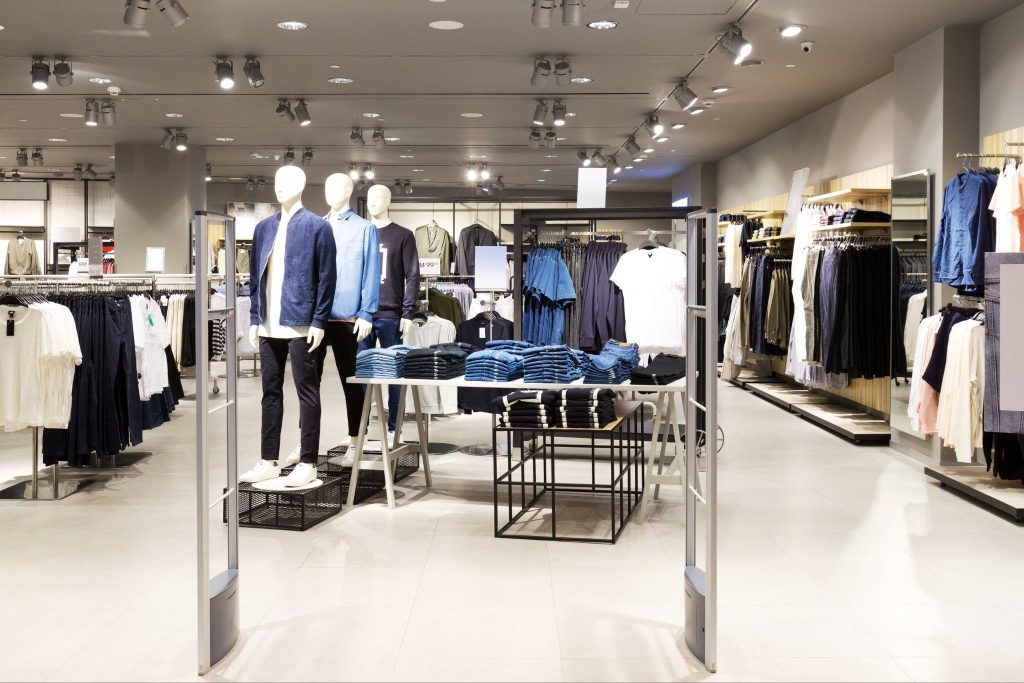
Gary describes how companies like Ross integrate ceiling systems that allow flexible camera placement from the outset. Drop ceiling panels are designed to support security mounts. Traffic flow is directed toward monitored checkout areas. Entry and exit visibility is considered as part of the layout.
These elements are not added later.
They are built into the design.
When visibility is part of the structure, deterrence becomes a natural extension of the environment.
Apple’s Embedded Approach
Another example comes from Apple, where security is integrated into fixtures before they arrive in store.
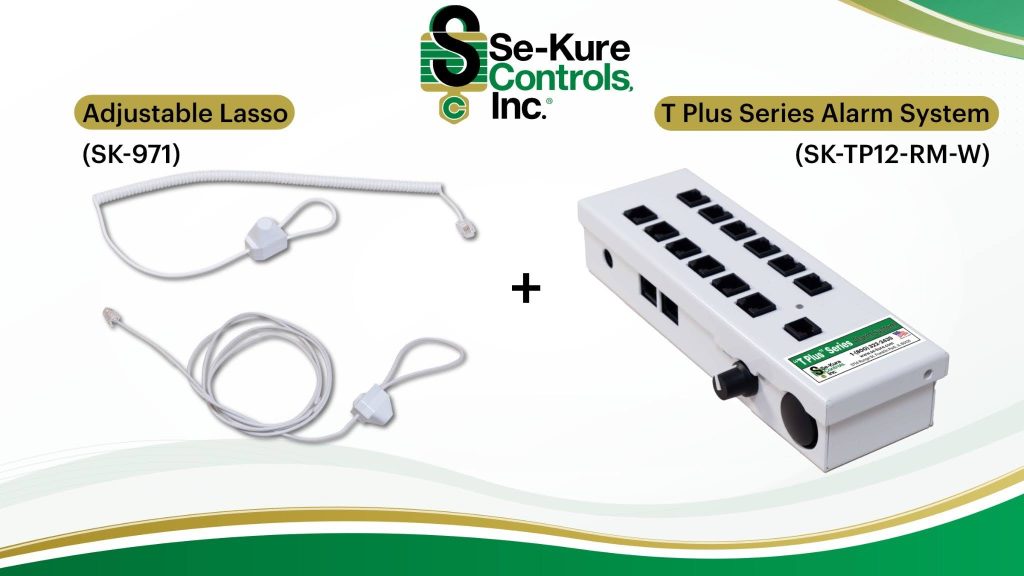
Display tables are delivered with alarm systems already embedded. Cabling is pre-engineered. Stands are installed in advance. Store teams focus on placing product rather than configuring security.
This approach removes variability.
It also reduces the need for in-store adjustments that can lead to inconsistencies.
Store security design solutions are more effective when installation is standardized and repeatable across locations.
Cameras Reveal More Than Expected
During large-scale rollouts, retailers began noticing a pattern.
When cameras were extended into back-of-house areas, not just the sales floor, shrink declined.
Security design often focuses on customer-facing spaces, but operational areas carry their own risks. Receiving docks, stock rooms, and back exits all contribute to overall exposure.
Store security design solutions are most effective when they account for the full operational footprint, not just what is visible to shoppers.
Durability Still Matters
While emerging technologies continue to gain attention, many foundational tools remain highly effective.
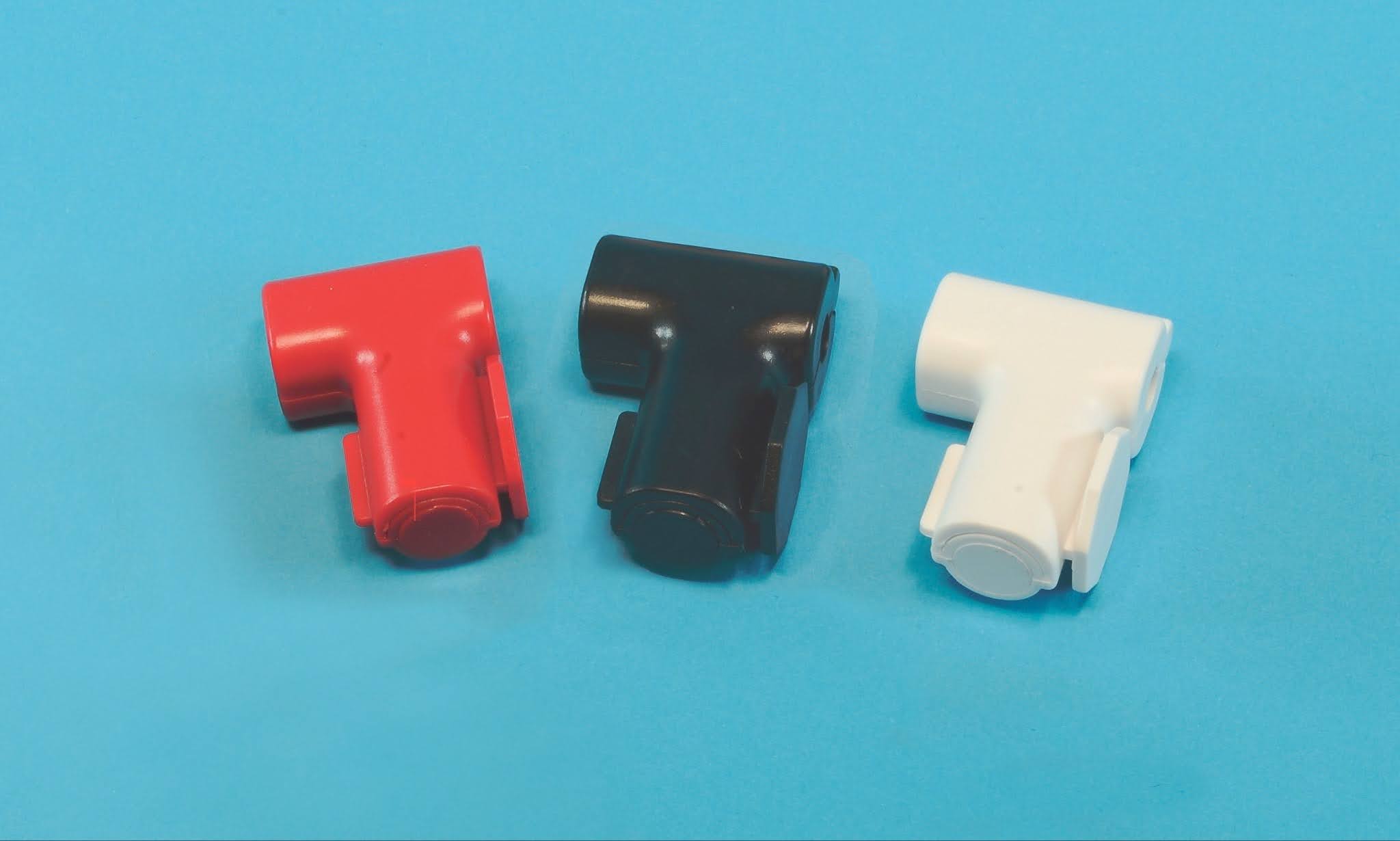
Mechanical protection has been used reliably for decades. Electronics are still tethered and alarmed. Handbags continue to use recoilers. Peg hook locks remain effective against sweep theft.
Technology evolves, but these fundamentals continue to perform.
Store security design solutions work best when innovation is balanced with proven, durable methods.
Made in USA: Why It Matters Strategically
Another factor that influences long-term effectiveness is how security hardware is sourced.
Domestic manufacturing provides more control over supply chains. It reduces exposure to delays and tariff fluctuations. It also allows for faster response when new locations are opening or when adjustments are needed quickly.
Security hardware decisions extend beyond the fixture itself. They influence operations, timelines, and consistency across locations.
That makes sourcing a strategic consideration, not just a purchasing decision.
What to Consider Before the Next Build
When planning a new store or remodeling an existing one, the most effective approach is to evaluate how security integrates into the overall design.
This includes how visibility is supported through ceiling structures, how traffic naturally flows through the space, and how fixtures incorporate protection without requiring additional modification later.
It also includes looking beyond the sales floor. Back-of-house visibility plays a meaningful role in reducing overall risk.
Store security design solutions are strongest when they are part of the original design intent, not layered in afterward.
The Next Step
The next step is to evaluate how security is currently incorporated into store layouts and where design decisions may be creating gaps.
Connect with the Se-Kure team to explore how to build security into your next store or retrofit existing locations with a more effective approach.
Discover more insights on mirror safety, retail theft prevention, security hardware innovation, and display protection strategies on our blog:
https://se-kure.com/blog/
Stay Connected
Follow Se-Kure Controls: