


The best retail anti-theft devices help stores protect merchandise while keeping the shopping experience simple for customers. The right choice depends on what you sell, how your store is laid out, and which products are most at risk.
Retail theft prevention is rarely solved by one product. A camera may help staff review what happened, but it may not stop a quick grab. A locked case may protect merchandise, but it can also slow down a sale. That is why many retailers use a layered approach. They combine visibility, alarms, locks, tags, and display security so each product gets the right level of protection.
The goal is not to make the store feel closed off. The goal is to protect merchandise in a way that still feels clean, practical, and easy to shop.
Start With the Products That Need the Most Protection
The best place to begin is with the merchandise that is easy to grab, hide, or resell. For many stores, that may include handbags, electronics, phones, tablets, apparel, tools, fragrances, small boxed goods, or accessories.
Each product creates a different challenge. A handbag hanging on an open rack needs a different solution than a phone on a display table. Clothing needs a different approach than a high-value item near the checkout counter. A blind aisle may not need an alarm at all. It may need a better line of sight.
This is why the best retail anti-theft devices are chosen by use case. Retailers should look at how customers interact with the product first. Then they can choose a device that protects the item without making the sale harder.
Keep Open Displays Secure Without Hiding the Product
Some merchandise needs to stay out where shoppers can see it, touch it, or compare it. Electronics, tools, tablets, phones, and display samples often fall into this category. These items can be difficult to protect because locking them away may reduce interest.
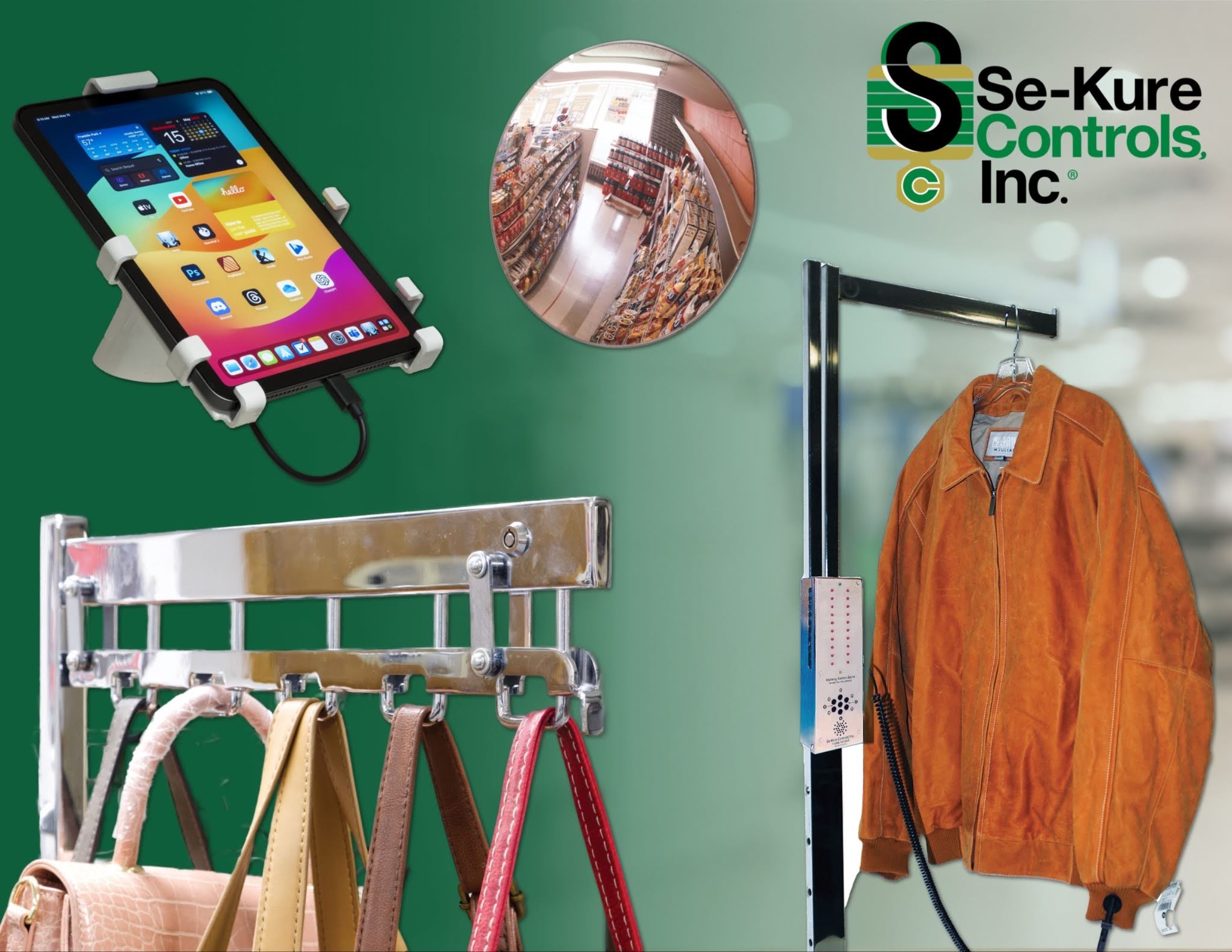
Display security products help solve that problem. Alarms, recoilers, cable systems, and lockdown devices allow products to remain visible while adding a layer of protection. When used well, the security device supports the display instead of taking attention away from it.
This matters because modern retail still depends on access. Customers want to understand what they are buying. A good display security setup protects the product while keeping that experience intact.
Match the Device to the Merchandise
A strong retail theft prevention plan works best when each product category gets the right tool.
Handbags and accessories often benefit from locking racks because they keep items organized and harder to remove quickly. Apparel may need clothing tags, cables, lasso sensors, or alarms. Phones and tablets may need lockdown displays or alarmed sensors. Store aisles, corners, and checkout areas may benefit from convex mirrors or dome mirrors that improve visibility.
Security mirrors are especially useful in spaces where staff need a wider view. They do not replace tags or alarms, but they help reduce blind spots. In a layered plan, visibility is often one of the simplest ways to support both safety and loss prevention.
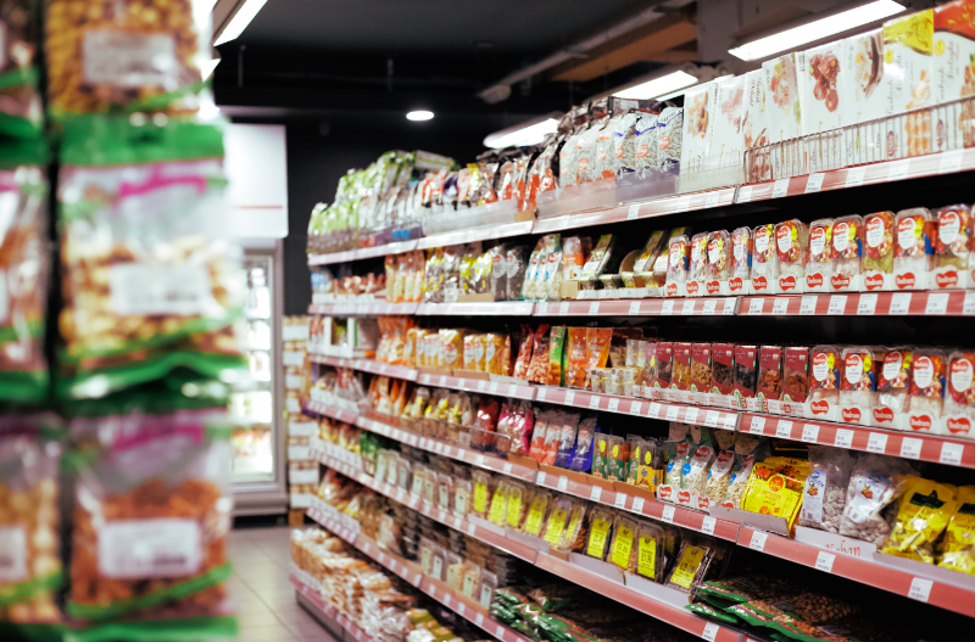
The right mix depends on the store. A boutique may focus on handbags, clothing, and mirrors. An electronics retailer may need more alarms, recoilers, and lockdown devices. A pharmacy or convenience store may need protection for small products that are easy to conceal.
Build a Plan That Staff Can Actually Use
Even the best security products need to work for the people using them every day. If a device is hard to unlock, difficult to reset, or confusing during a busy shift, staff may avoid using it correctly.
That is why ease of use matters. Retail security should fit into the normal flow of the store. Employees should be able to secure products, help customers, and reset displays without losing time.
A good anti-theft plan should answer a few simple questions:
- Which products are most at risk?
- Where are the blind spots?
- Which items need customer interaction?
- Which devices are easy for staff to use?
- Where can security be added without hurting the display?
When those questions guide the decision, the result is usually stronger than choosing one device and expecting it to solve every problem.
Choose Retail Security That Supports the Store
The best retail anti-theft devices do more than stop theft. They help stores protect inventory, keep displays neat, and support a better shopping experience.
Retailers do not need to make every product harder to access. They need the right level of protection in the right places. For some areas, that may mean a display alarm. For others, it may mean a locking rack, clothing tag, convex mirror, or simple cable system.
A layered approach gives stores more flexibility. It protects what matters most while keeping the space open, organized, and customer friendly.
Stay Connected
Choosing the right retail theft prevention products starts with understanding your merchandise, your layout, and your daily store challenges. With the right mix of display security, alarms, tags, locks, and mirrors, retailers can protect products without making the store feel difficult to shop.
Discover more insights on retail theft prevention, security hardware innovation, and display protection strategies on the Se-Kure Controls blog:
Follow Se-Kure Controls
Follow Se-Kure Controls for industry updates, product innovations, and expert perspectives: